
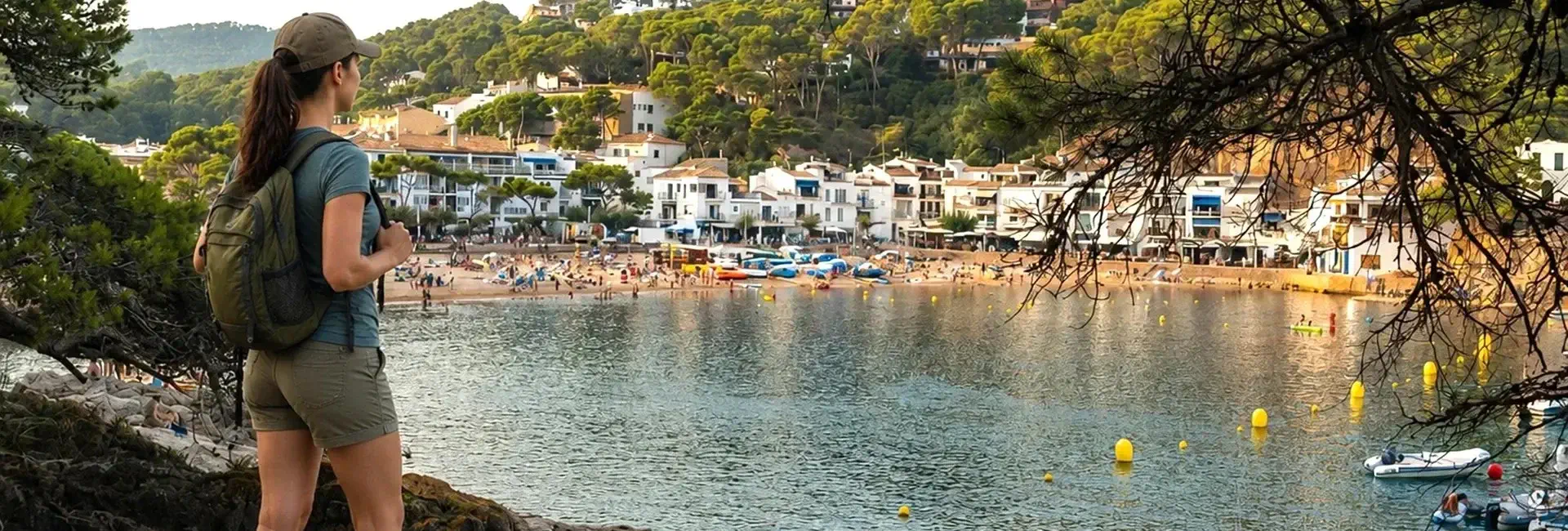
Caminos de Ronda
6-stage tour of the ◆Costa Brava◆ along the Caminos de Ronda, including accommodation and luggage transfers | Difficulty: ▲▲△△△
Caminos de Ronda
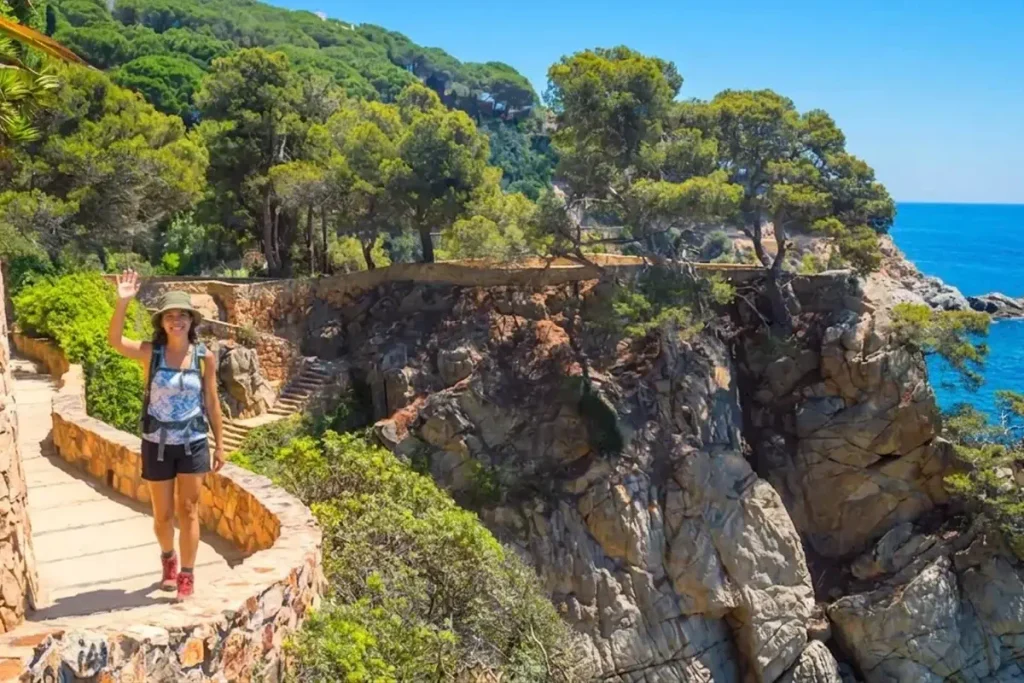
6 stages | 8 days
Caminos de Ronda
▸ Includes 7 nights in hotels and apartments on the Costa Brava, on a bed & breakfast basis.
▸ 6 stages from L’Escala to Sant Feliu de Guixols, walking point to point along the Caminos de Ronda.
▸ 2 options to choose from:
OPTION A or OPTION B
breakfast included
with luggage transfers
stages of 12~18 km per day
from 1 March to 31 October

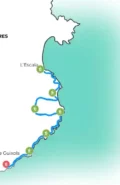
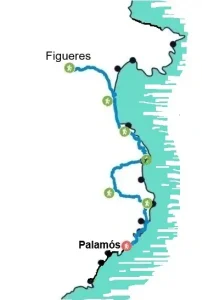
full route: 91.1 km
total ascent: 1852 m
total descent: 1859 m
Custom app 
Offline GPS navigation
Key information
STAGES | ACCOMMODATION:
OPTION A: arrival in Figueres and transfer to L'Escala
OPTION B: arrival in Figueres and transfer to Sant Pere Pescador
DIFFICULTY LEVEL
This programme is right for you if you are in good physical condition and have no health problems; if you love nature, respect the environment and hike regularly.
See more details at:
FREQUENTLY ASKED QUESTIONS
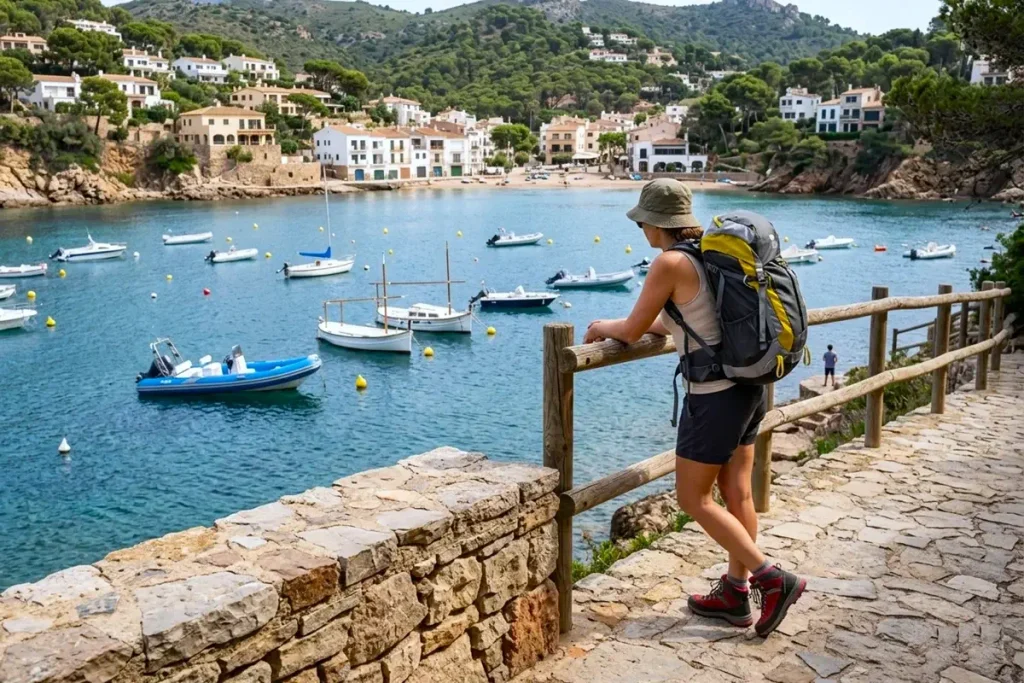
Choose the option that suits you best: OPTION A | OPTION B
| OPTION A: L’Escala ▸ Sant Feliu de Guixols | 6 hiking stages
OPTION A | Day 1 – your arrival in Figueres
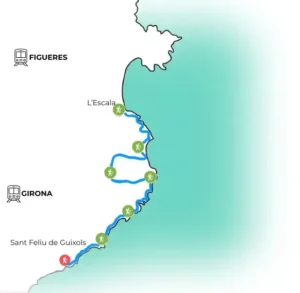
Transfer to L’Escala
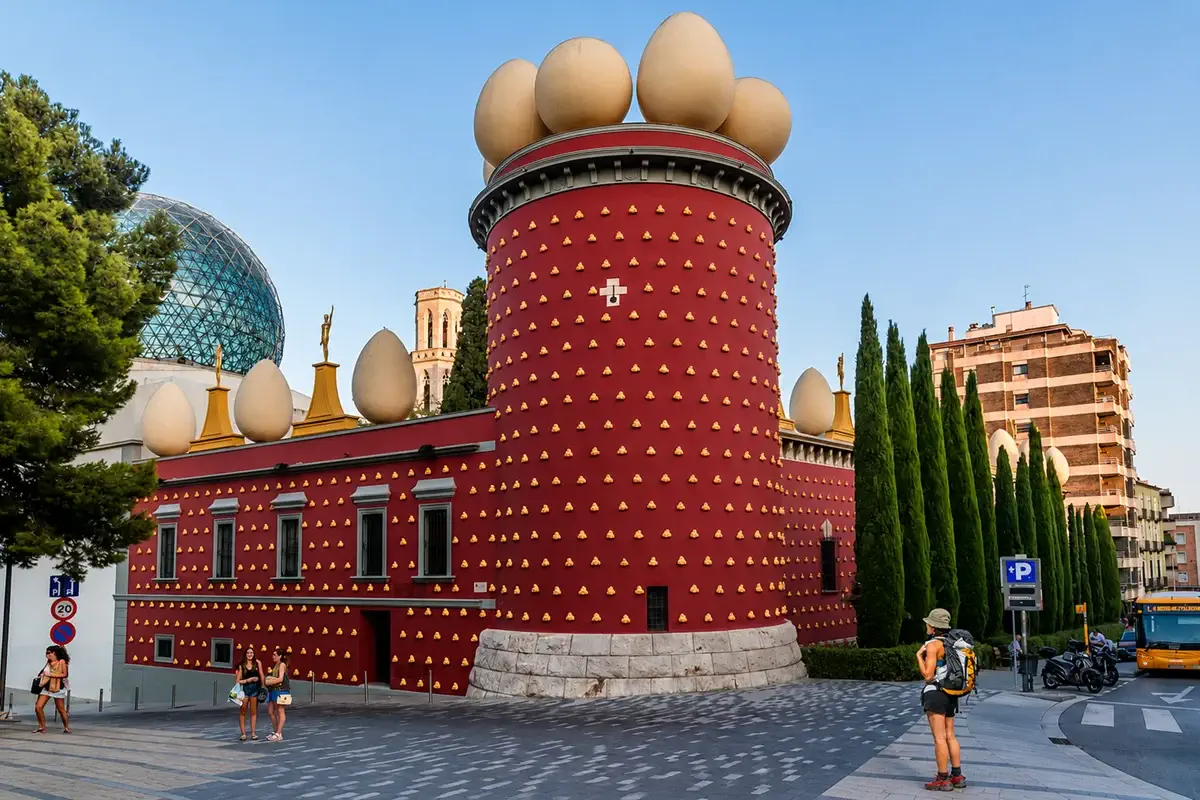
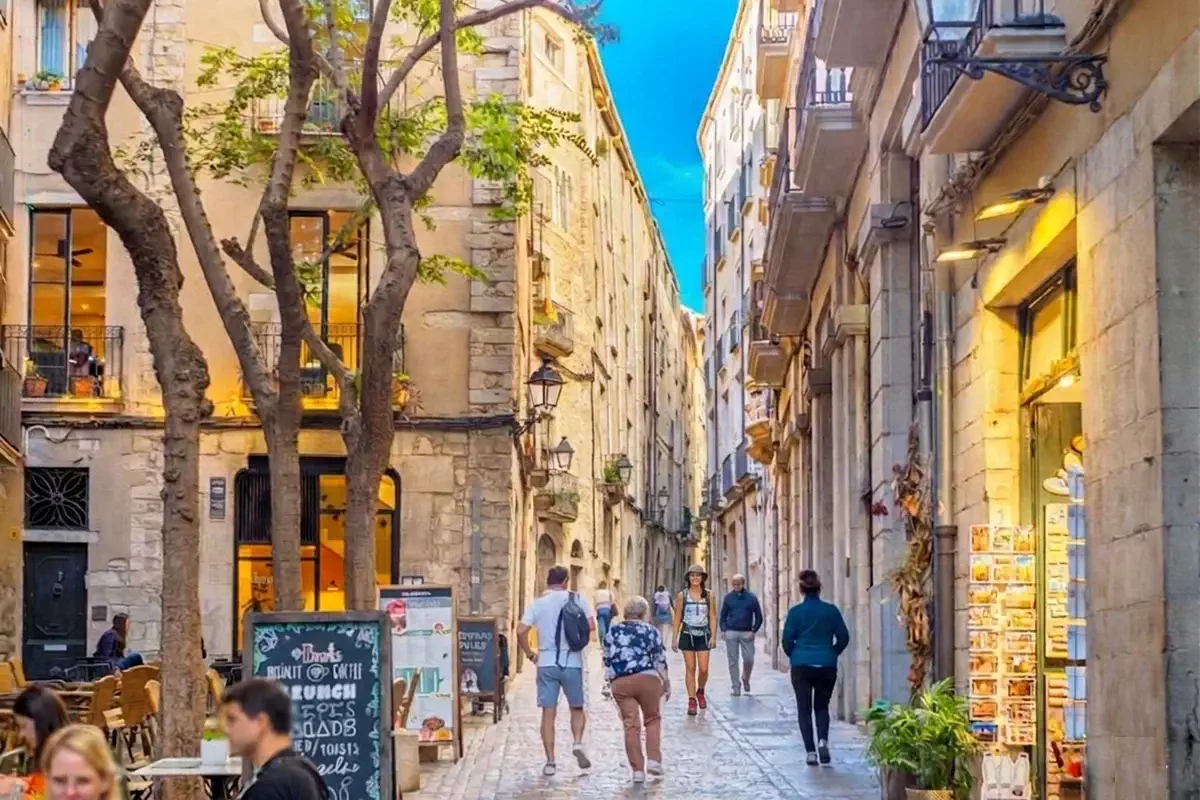
make your own way to the capital of the Empordà: Figueres. Depending on your arrival time, you may still have time to visit the Dalí Museum before being transferred to L’Escala, 30 minutes from Figueres.
+ Hotel Rallye (…or similar – L’Escala)
OPTION A | Day 2 – L’Escala ▸ L’Estartit
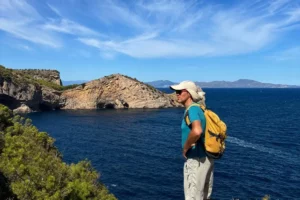 L’Escala ▸ L’Estartit
Leaving behind the fishing town of L’Escala and heading along the coast towards Cala Montgó, the whole Bay of Roses opens out to your left as you walk south, with the deep blue of the Mediterranean as your constant companion.
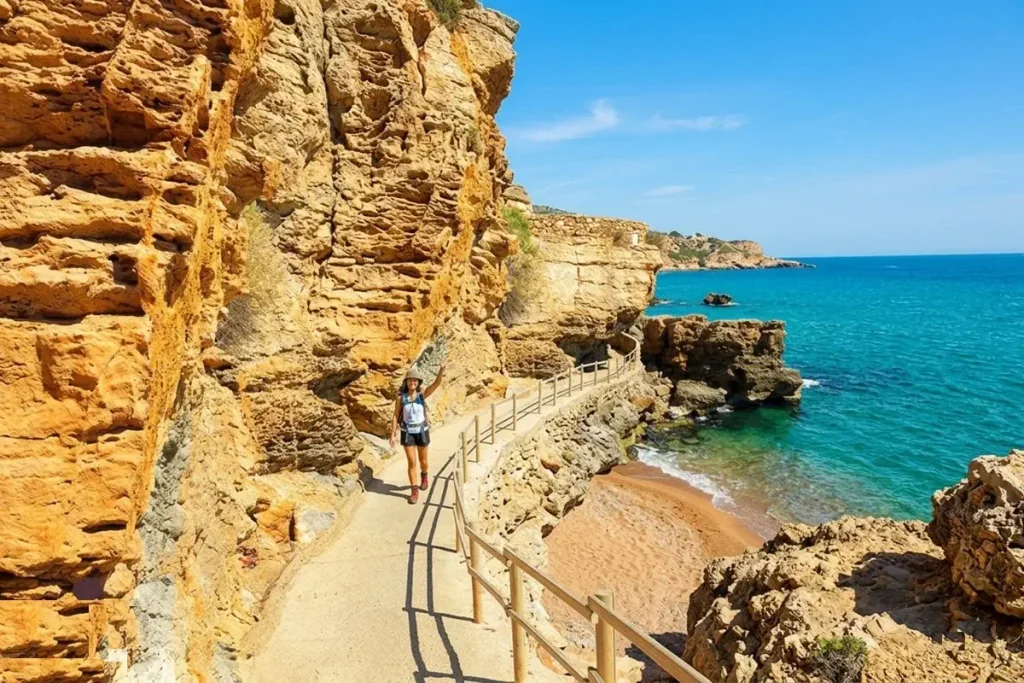
From Cala Montgó the path winds along low cliffs, passing tiny coves of exceptional beauty and revealing a wild, beautiful coastline where the crystal-clear waters invite you to stop.
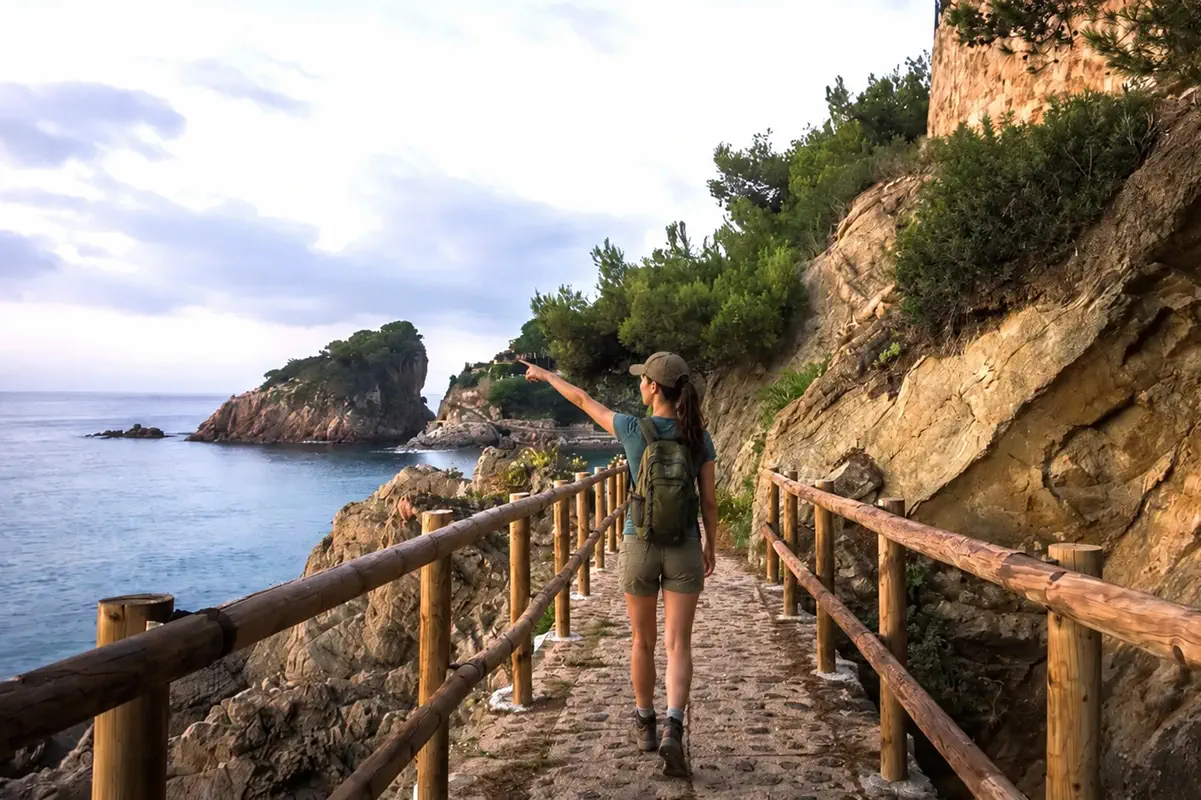
The route continues to L’Estartit through lovely pine woods that perfume the path and past picturesque coves such as Cala Ferriola and Cala Pedrosa. Between them lies the legendary Foradada, an impressive cave that opens to the sea on both sides of the headland and can only be explored by boat or kayak. A truly unforgettable stretch.
 15.7 km | ↗ 486 m | ↘ 487 m
+ Hotel Santa Anna (or similar – L’Estartit)
OPTION A | Day 3 – L’Estartit ▸ Peratallada
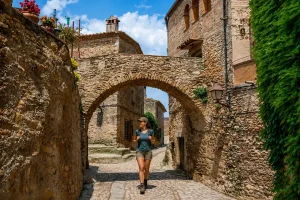 Stage 2: L’Estartit▸ Peratallada
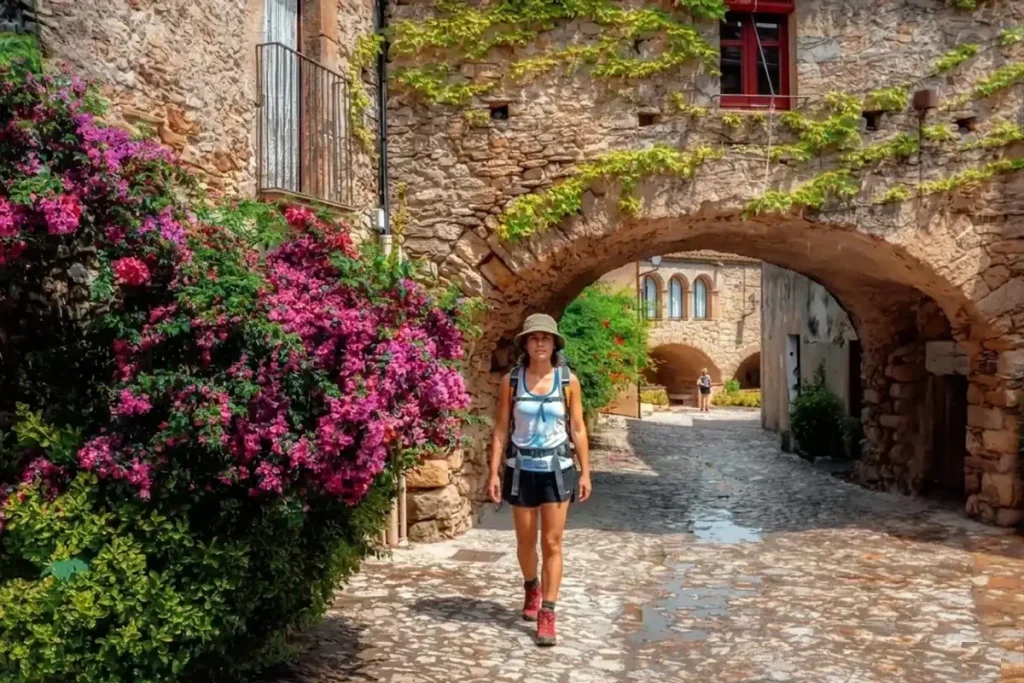
Today’s route brings a fascinating change of scene: we leave the salty sea air behind and head into the heart of the “Empordanet”, where the landscape becomes agricultural, unhurried and deeply medieval.
After leaving L’Estartit and walking inland, the path crosses the fertile plain of the Baix Empordà following the course of the river Ter. The imposing Castell del Montgrí, a medieval fortress crowning the mountain, keeps you company all the way to the historic town of Torroella de Montgrí.
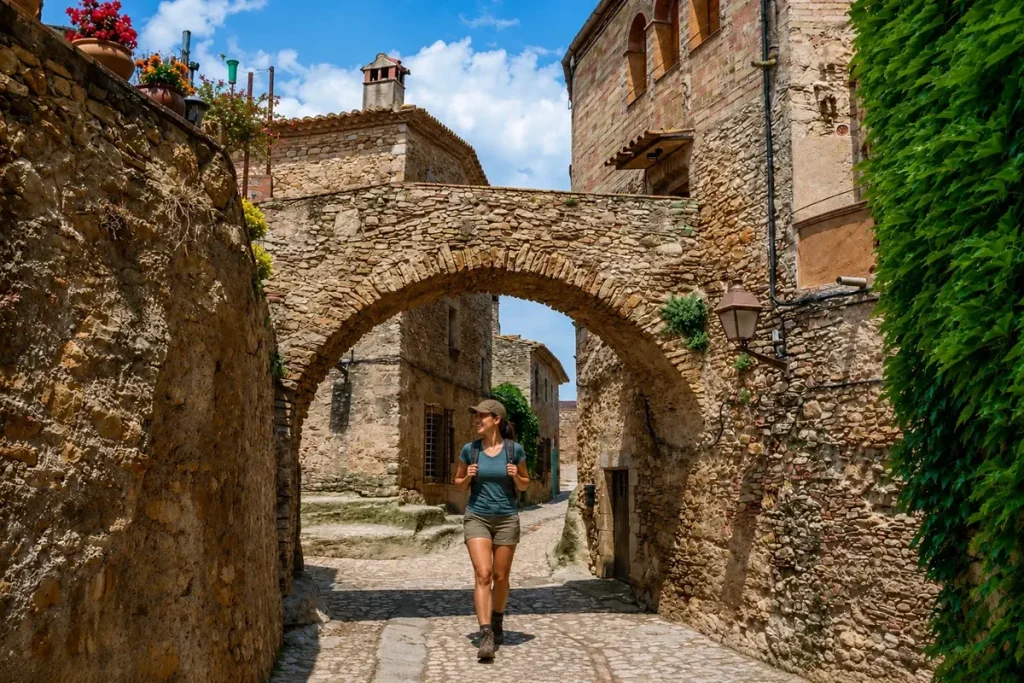
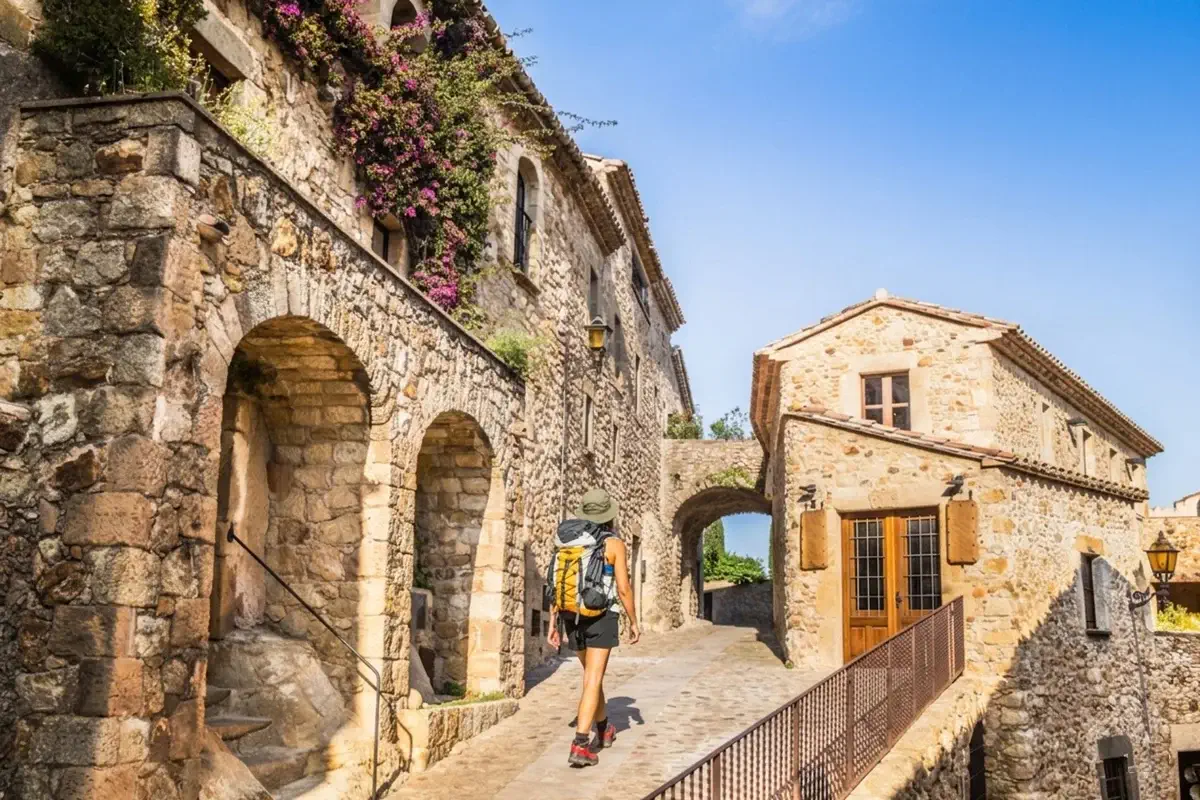
The inland route takes you to Gualta, a small and charming medieval village. Further on, the day is crowned by your arrival in one of the most beautiful villages in Catalonia. Entering Peratallada is like stepping back in time; its streets carved into the living rock, its walls and its moat take you straight back to the 10th century. Today’s stage will have been flat and gentle, perfect for enjoying the silence of the countryside and ending the day with a glass of local wine among centuries-old stone walls.
 19.6 km | ↗ 108 m | ↘ 79 m
+ Hostal Blau (or similar – Peratallada)
OPTION A | Day 4 – Peratallada ▸ Begur
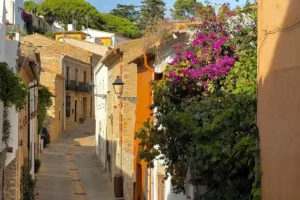 Stage 3: Peratallada▸ Begur
This legendary trail is a journey into the most romantic essence of the Empordà, linking two of the most spectacular medieval towns in Catalonia before returning to the sea. On leaving Peratallada, the path heads into gently rolling countryside and rural lanes that exude tranquillity.
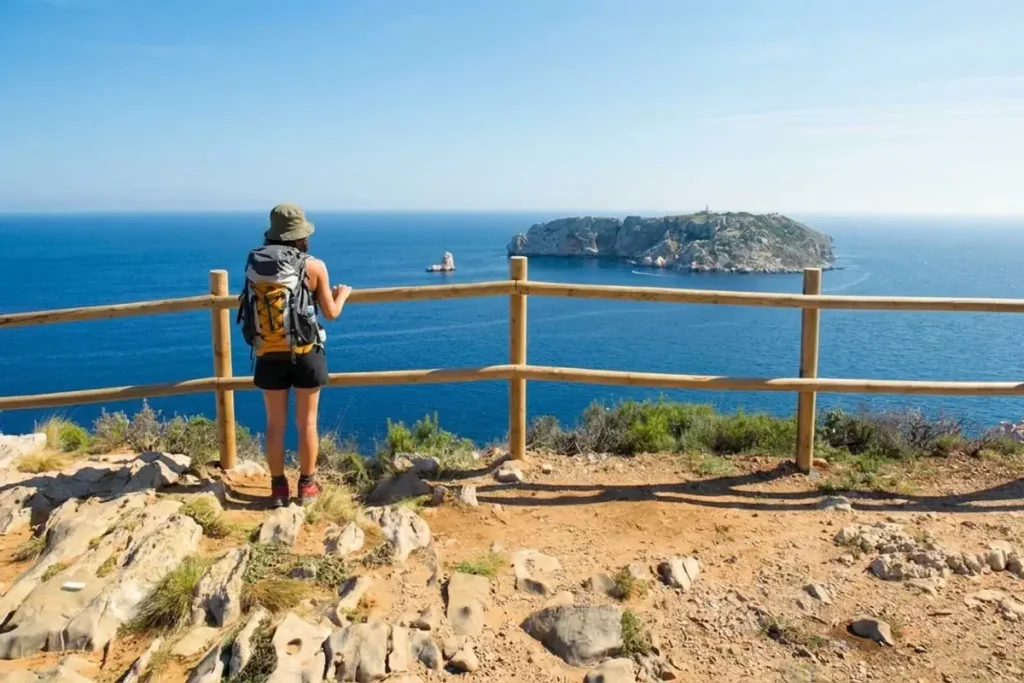
The silhouette of Pals soon appears on the horizon, rising atop a hill. It is well worth strolling through its Gothic quarter, which is literally like walking through an open-air museum. From the Josep Pla viewpoint, the view across the Empordà plain with the Medes Islands in the background is an image that will stay etched in your memory forever.
The path towards Begur becomes shadier and more fragrant, crossing dense pine woods that herald the nearness of the coast. The final climb rewards you with Begur, a lively village famous for its castle and its brightly coloured Casas Indianas (colonial-style “Indiano” mansions).
13.3 km | ↗ 218 m | ↘ 52 m
+ Bypillow Cluc Begur (or similar – Begur)
OPTION A | Day 5 – Begur ▸ Llafranc
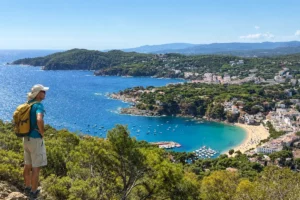 Stage 4: Begur ▸ Llafranc
Today you will walk through the Heart of the Costa Brava: from Begur to Llafranc. This is the “jewel in the crown” of the Girona coastline. This stretch of the Camí is an endless display of Mediterranean postcards, linking stately Begur with the authentic seafaring character of Palafrugell and its fishing villages.
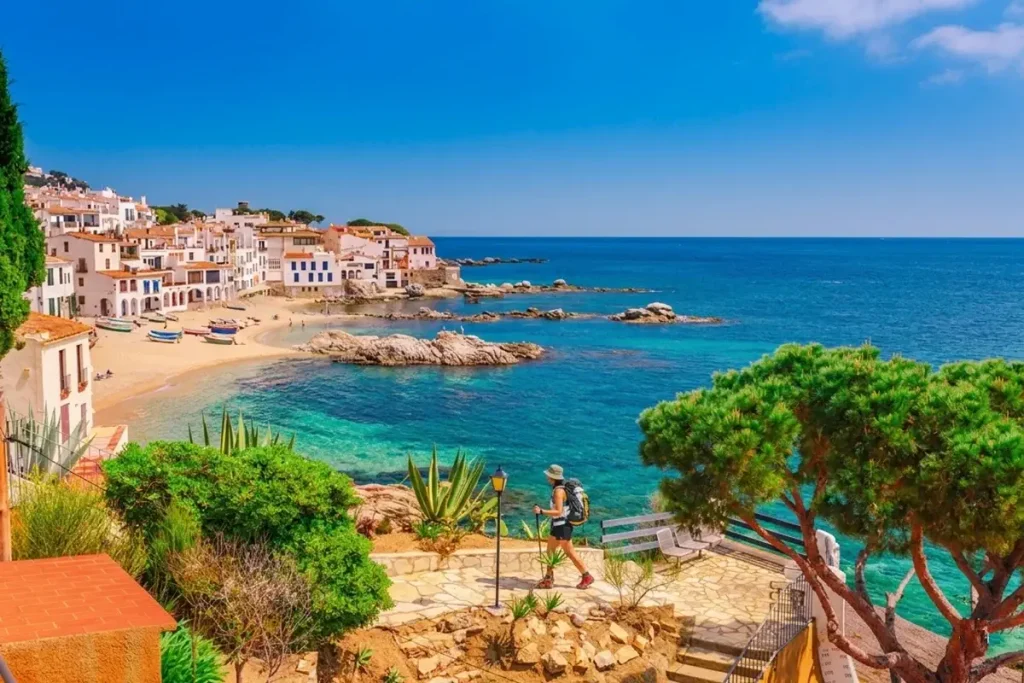
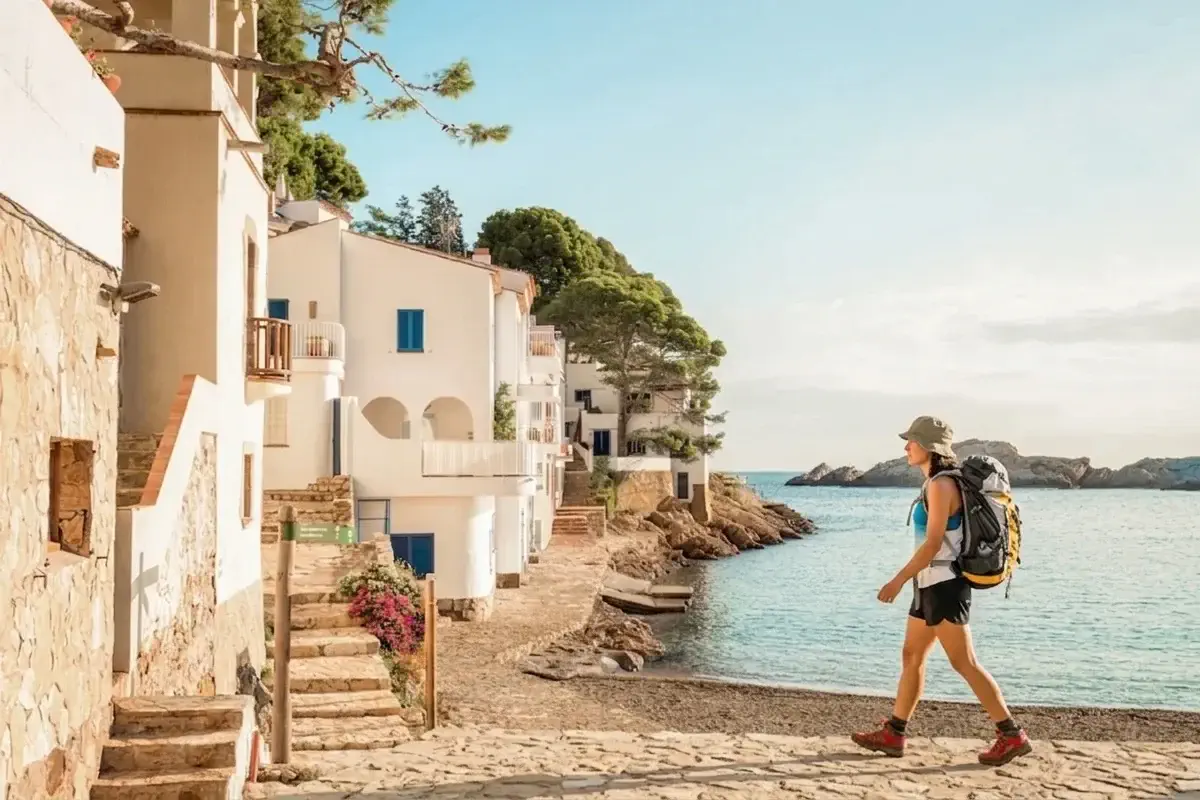
After descending through the hills of Begur, the path winds between pines and cliffs until it reaches Llafranc, a village of white façades and wooden boats resting on the sand, a haven for the spirit of the habaneras (traditional sea songs); a route that is a pure visual delight.
And when you arrive, treat yourself to a swim in the crystal-clear waters of Llafranc’s lovely beach before checking into your hotel.
13.2 km | ↗ 537 m | ↘ 737 m
+ Hostal Sa Teula (or similar – Llafranc)
OPTION A | Day 6 – Llafranc ▸ Palamós
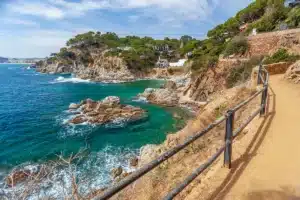 Stage 5: Llafranc▸ Palamós
Beneath the gaze of the Far de Sant Sebastià lighthouse, the path skirts the rocks along walkways and steps carved beside the water until it reaches Calella de Palafrugell. There you will find white façades, arcaded porches and wooden boats pulled up on the sand.
Leaving Calella, the path climbs through the pines towards Cap Roig, whose reddish cliffs hold one of the most spectacular botanical gardens in the Mediterranean. From here begins the Castell-Cap Roig natural area, an unspoilt coastline dotted with hidden coves of transparent water, such as Cala Estreta with its old fishermen’s huts. The landscape seems frozen in time.
The final stretch takes you to Platja de Castell, one of the few beaches spared from development, watched over by the remains of an Iberian settlement. From there, tunnels carved into the rock and cliffside passages lead you to La Fosca and its Castle of Sant Esteve de Mar. All that remains is a final stroll to Palamós, where the fishing port, the fish market and the famous Palamós prawn put the perfect finishing touch to a day of pure Mediterranean delight.
12.3 km | ↗ 312 m | ↘ 312 m
+ Vostra Llar (or similar – Palamós)
OPTION A | Day 7 – Palamós ▸ Sant Feliu de Guixols
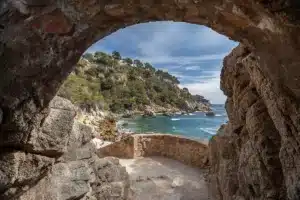 Stage 6: Palamós ▸ Sant Feliu de Guixols
The final stage plays out between luxury and tradition. The route is a showcase of contrasts, taking you from the bustling port life of Palamós to the most exquisite architectural elegance in Sant Feliu de Guixols.
After leaving behind the serenity of La Fosca and skirting the port of Palamós, the path opens onto the wide bay of Sant Antoni de Calonge, a flat, luminous walk with the sea always by your side.
But the soul of this stage comes alive as you enter the Platja d’Aro section. Here the path turns “playful”, winding through tunnels carved into the rock and peering down into turquoise coves such as Cala del Pi, which look straight out of a postcard. The route ends in Sant Feliu de Guíxols, a historic seafaring town famous for its majestic monastery and welcoming atmosphere.
17 km | ↗ 191 m | ↘ 192 m
+ H. Boutique Élke & Spa (or similar – Sant Feliu de Guixols)
OPTION A | Day 8 – Departure
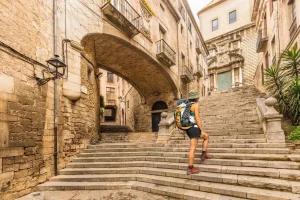 Departure or extension
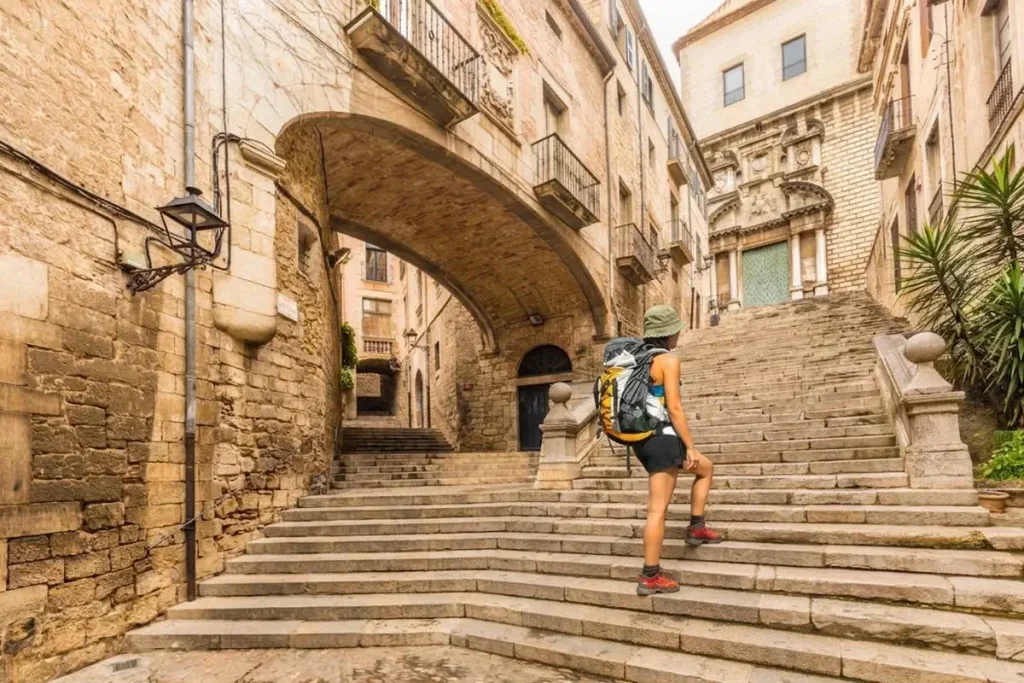
Train from Girona to Barcelona airport to continue on to your destination, or time to discover the hidden corners of Girona and enjoy its unique atmosphere.
+ | OPTION B: Sant Pere Pescador ▸ Sant Feliu de Guixols | 5 hiking stages + 1 E-bike stage
OPTION B | Day 1 – your arrival in Figueres
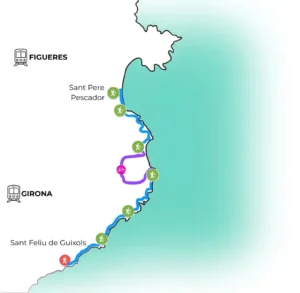
Transfer to Sant Pere Pescador
make your own way to the capital of the Empordà: Figueres. Depending on your arrival time, you may still have time to visit the Dalí Museum before being transferred to Sant Pere Pescador, 20 minutes from Figueres.
+ Hotel El Molí (…or similar – Sant Pere Pescador)
OPTION B | Day 2 – Sant Pere Pescador ▸ L’Escala
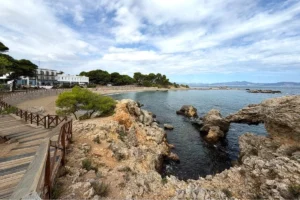 Sant Pere Pescador▸ L’Escala
The path running alongside the river leads out onto the long beach of the Bay of Roses. From there, the route continues beside the sea heading south, accompanied by the gentle murmur of the waves and a Mediterranean light that bathes everything.
As well as being a peaceful walk along the coast, this first stage leads you to the Greco-Roman site of Empúries, next to the charming medieval village of Sant Martí d’Empúries, where traces of the ancient civilisations that arrived by sea are still preserved.
The route keeps to the coast, now and then crossing the sand of the beach, until it reaches the town of L’Escala, an old fishing village with a deep-rooted seafaring tradition, famous for its anchovies.
12.3 km | ↗ 15 m | ↘ 14 m
+ Hotel Rallye (or similar – L’Escala)
OPTION B | Day 3 – L’Escala ▸ L’Estartit
L’Escala ▸ L’Estartit
Leaving behind the fishing town of L’Escala and heading along the coast towards Cala Montgó, the whole Bay of Roses opens out to your left as you walk south, with the deep blue of the Mediterranean as your constant companion.
From Cala Montgó the path winds along low cliffs, passing tiny coves of exceptional beauty and revealing a wild, beautiful coastline where the crystal-clear waters invite you to stop.
The route continues to L’Estartit through lovely pine woods that perfume the path and past picturesque coves such as Cala Ferriola and Cala Pedrosa. Between them lies the legendary Foradada, an impressive cave that opens to the sea on both sides of the headland and can only be explored by boat or kayak. A truly unforgettable stretch.
15.7 km | ↗ 486 m | ↘ 487 m
+ Hotel Santa Anna (or similar – L’Estartit)
OPTION B | Day 4 – L’Estartit ▸ Playa de Pals
 E-Bike Tour: L’Estartit ▸ Gualta ▸ Peratallada ▸ Playa de Pals
The mouth of the river Ter forces a detour inland, a route you can complete by bike in a single day, visiting the beautiful medieval villages of Gualta, Palau-sator, Peratallada and Pals, with their walls, cobbled streets and stone houses steeped in history.
You pedal along easy dirt tracks and quiet back roads, between rice fields, orchards and farmhouses, enjoying a surprising and little-known landscape in the Golden Mile of the Empordà.
When you reach Pals beach, leave the bike behind and next day you follow on foot along the Camí de Ronda towards Tamariu, a spectacular stretch of the Costa Brava alternating cliffs, pine woods and turquoise coves such as Aiguablava or Sa Tuna, perfect for a refreshing swim.
◉◉OOO 30.8 km ↗ 93 m ↘ 85 m
+ Aparthotel Golf de Pals (…or similar – Playa de Pals)
OPTION B | Day 5 – Playa de Pals ▸ Tamariu
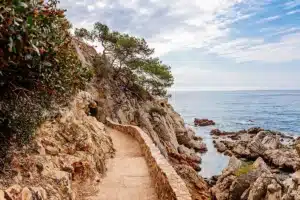 Playa de Pals ▸ Tamariu
Today you walk one of the most spectacular and demanding stretches of the Costa Brava. Leaving the wide beach of Pals behind, the landscape changes abruptly: sand gives way to rock and the path begins to climb over the first cliffs, looking down on Cala de l’Illa Roja, with its unmistakable reddish islet, before dropping down to Sa Riera beach.
From here the Camí de Ronda links some of the most beautiful coves on the coast: Aiguafreda and Sa Tuna, with their little fishermen’s houses right at the water’s edge, and further on Fornells and Aiguablava, whose intense turquoise waters invite a refreshing swim. The ups and downs are constant, but every climb has its reward in the form of a viewpoint over the Mediterranean. If you still have energy, you can make a detour to the village of Begur, famous for its castle and its colourful Casas Indianas.
The last stretch heads into the lush pine forests of the Begur hills, a shady, fragrant path that leaves the sea behind, only to meet it again at the end of the day. Arriving in Tamariu, a small, peaceful fishing village tucked into a pine-fringed cove, is the perfect finale to an intense and unforgettable stage.
15.1 km | ↗ 828 m | ↘ 819 m
+ Hostal Es Niu de Tamariu (or similar – Tamariu)
OPTION B | Day 6 – Tamariu ▸ Palamós
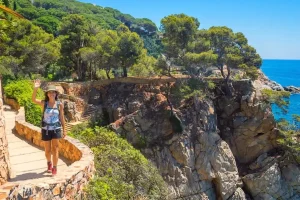 Tamariu ▸ Palamós
The stage begins in the sheltered cove of Tamariu with a climb through the pines towards the Far de Sant Sebastià, the lighthouse that crowns one of the highest headlands on the coast. From its viewpoint the panorama over the Mediterranean is immense, and at your feet lies Llafranc, with its seafront promenade and small marina, where the path meets the sea once again.
Along walkways and steps beside the water you reach Calella de Palafrugell, the village of the habaneras, with its arcaded porches and wooden boats pulled up on the sand. Further on, the path skirts the reddish cliffs of Cap Roig, home to a renowned botanical garden, and enters an unspoilt coastline dotted with hidden coves such as Cala Estreta, where the old fishermen’s huts still stand.
The final stretch takes you to Platja de Castell, one of the few beaches spared from development, watched over by the remains of an Iberian settlement. From there, steps carved into the rock lead you to La Fosca and finally to Palamós, where the fishing port and its famous prawn put the perfect finishing touch to an intense day full of contrasts.
17.7 km | ↗ 445 m | ↘ 457 m
+ Hotel Vostra Llar (or similar – Palamós)
OPTION B | Day 7 – Palamós ▸ Sant Feliu de Guixols
Stage 6: Palamós ▸ Sant Feliu de Guixols
The final stage plays out between luxury and tradition. The route is a showcase of contrasts, taking you from the bustling port life of Palamós to the most exquisite architectural elegance in Sant Feliu de Guixols.
After leaving behind the serenity of La Fosca and skirting the port of Palamós, the path opens onto the wide bay of Sant Antoni de Calonge, a flat, luminous walk with the sea always by your side.
But the soul of this stage comes alive as you enter the Platja d’Aro section. Here the path turns “playful”, winding through tunnels carved into the rock and peering down into turquoise coves such as Cala del Pi, which look straight out of a postcard. The route ends in Sant Feliu de Guíxols, a historic seafaring town famous for its majestic monastery and welcoming atmosphere.
17 km | ↗ 191 m | ↘ 192 m
+ H. Boutique Élke & Spa (or similar – Sant Feliu de Guixols)
OPTION B | Day 8 – Departure
Departure or extension
Train from Girona to Barcelona airport to continue on to your destination, or time to discover the hidden corners of Girona and enjoy its unique atmosphere.
FLEXIBLE PROGRAMME: you can rearrange the stages to add free days in between. We adapt to your wishes.
OPTION B includes one E-Bike stage
Waymarked trails + GPX directions and App
luggage transfers from hotel to hotel
point-to-point routes

luggage transfers
we move your bags from one accommodation to the next so you can walk light
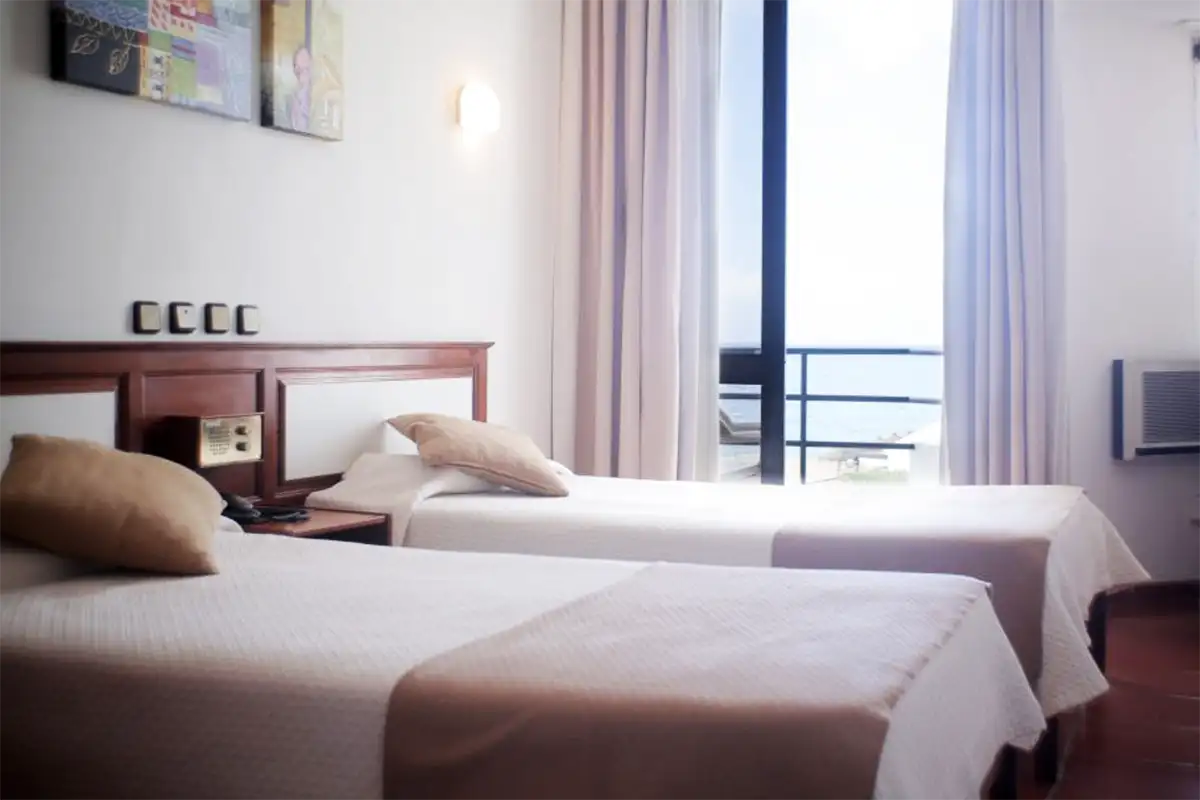
accommodation
small, charming guesthouses and hotels in strategic locations, with breakfast included
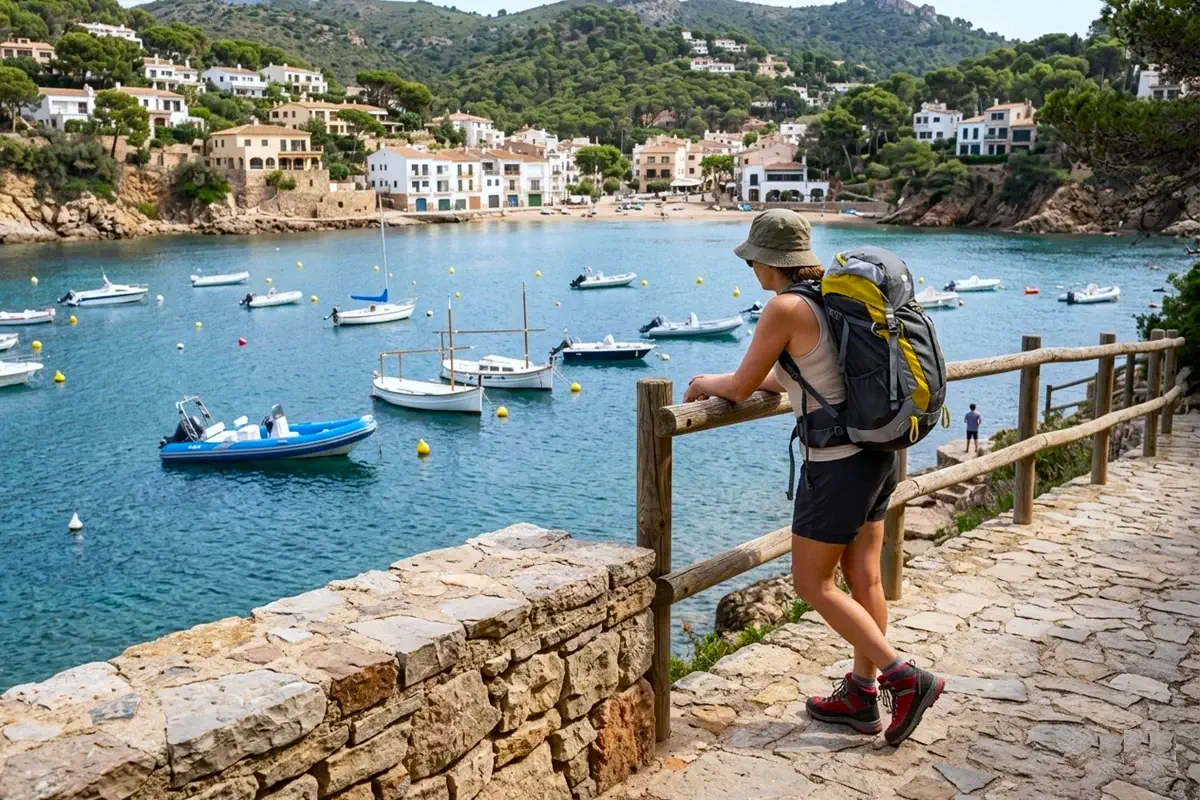
stages
6 stages of 12 to 18 km each, following the Caminos de Ronda from L'Escala to Sant Feliu de Guixols
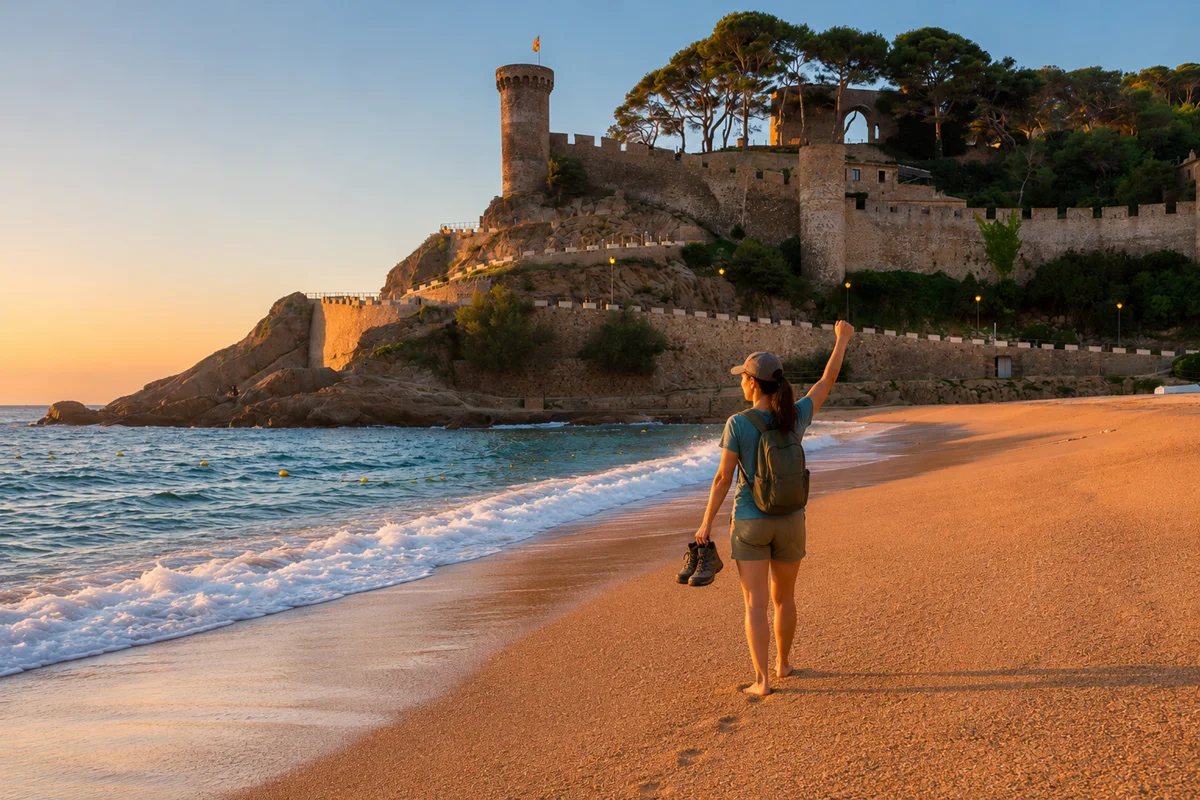
CAMINOS DE RONDA ON THE COSTA BRAVA
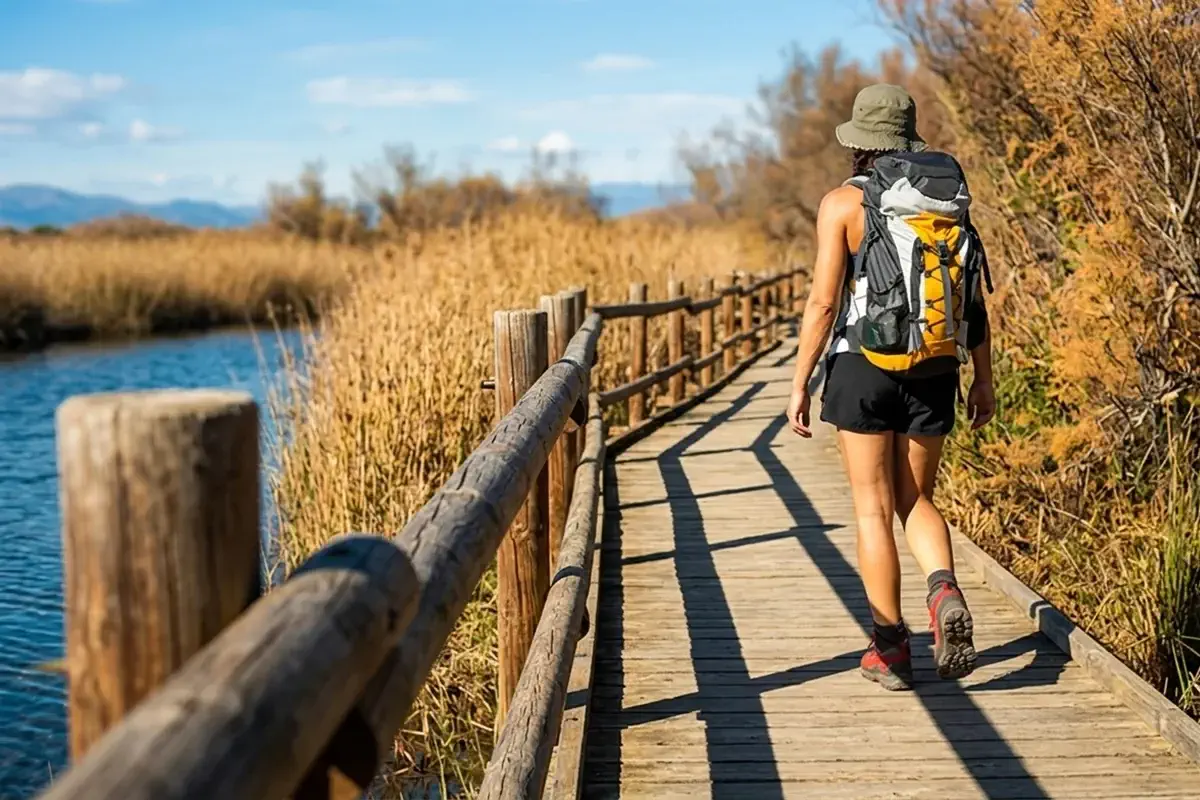
This journey is a sensory voyage that unites the genius of Dalí with the serenity of the Mediterranean. Setting out from Figueres, the tarmac quickly gives way to the flat trails of the Aiguamolls de l’Empordà. Here, the silence is broken only by the wingbeats of migrating birds on the lagoons, creating an oasis of peace before heading into the heart of Catalan history.
From the silence of stone to the endless blue
Further south, the landscape turns ochre in Peratallada, where walls and streets carved from the stone seem frozen in time. After this immersion in the Middle Ages, the route climbs to the lookout of Begur, a privileged balcony over the coast. From here, the Caminos de Ronda guide us along impossible cliffs and crystal-clear coves, winding through the pines until we reach the seafaring bustle of Palamós.
Trip highlights:
Caminos de Ronda: from L’Escala to Sant Feliu
A trail along the Mediterranean
Hidden coves | Medieval villages | History and culture
History between land and sea: the Caminos de Ronda of the Costa Brava
The Caminos de Ronda of the Costa Brava were born of necessity, not pleasure. In the 18th century, the Spanish Crown set up a coastguard corps to curb the smuggling that thrived along this fragmented, hard-to-patrol coastline. The carabineros — as these officers were called — patrolled on foot, day and night, a path that faithfully followed the edge of the cliffs, looking into every cove and descending to every beach so as to leave no corner unchecked.
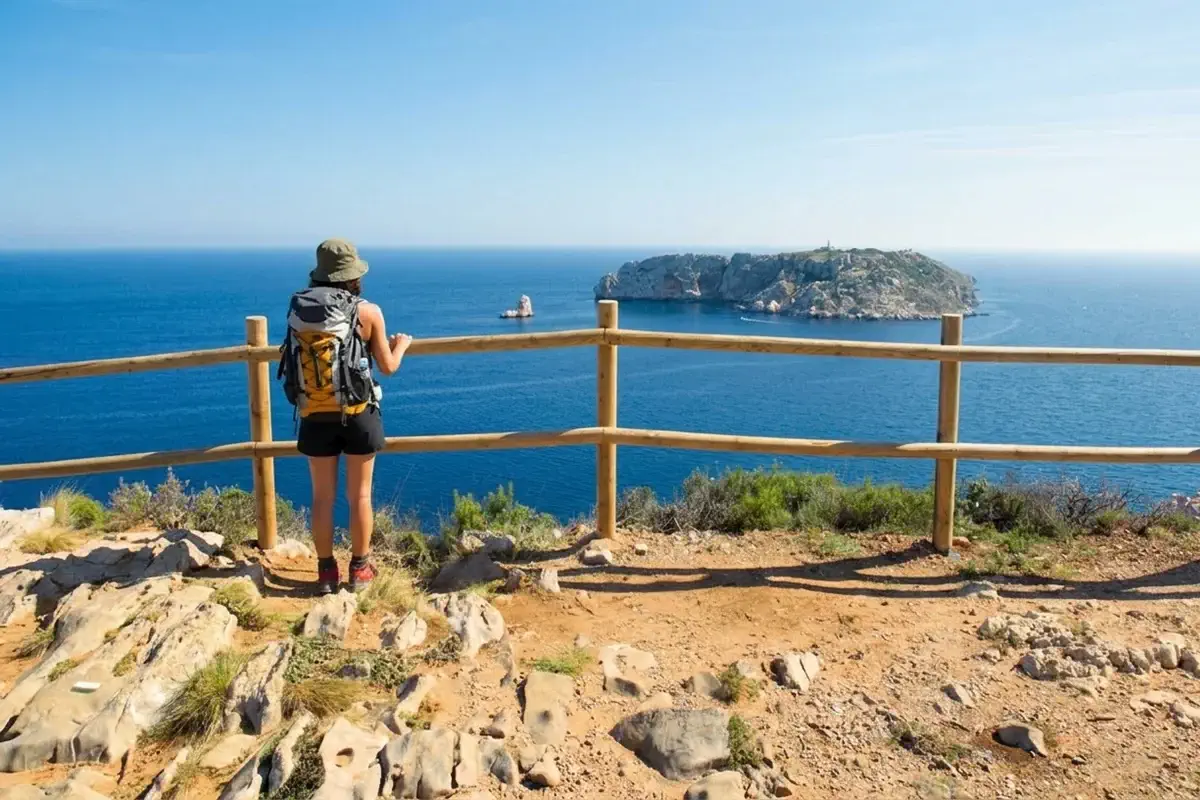 The path they trod was functional and austere, laid out by the urgent need to control a territory that the sea made elusive.
The Empordà, a historic region covering both the Alt and the Baix Empordà, had powerful reasons to tempt smugglers.
Its proximity to the French border, its dozens of hidden coves and the seafaring tradition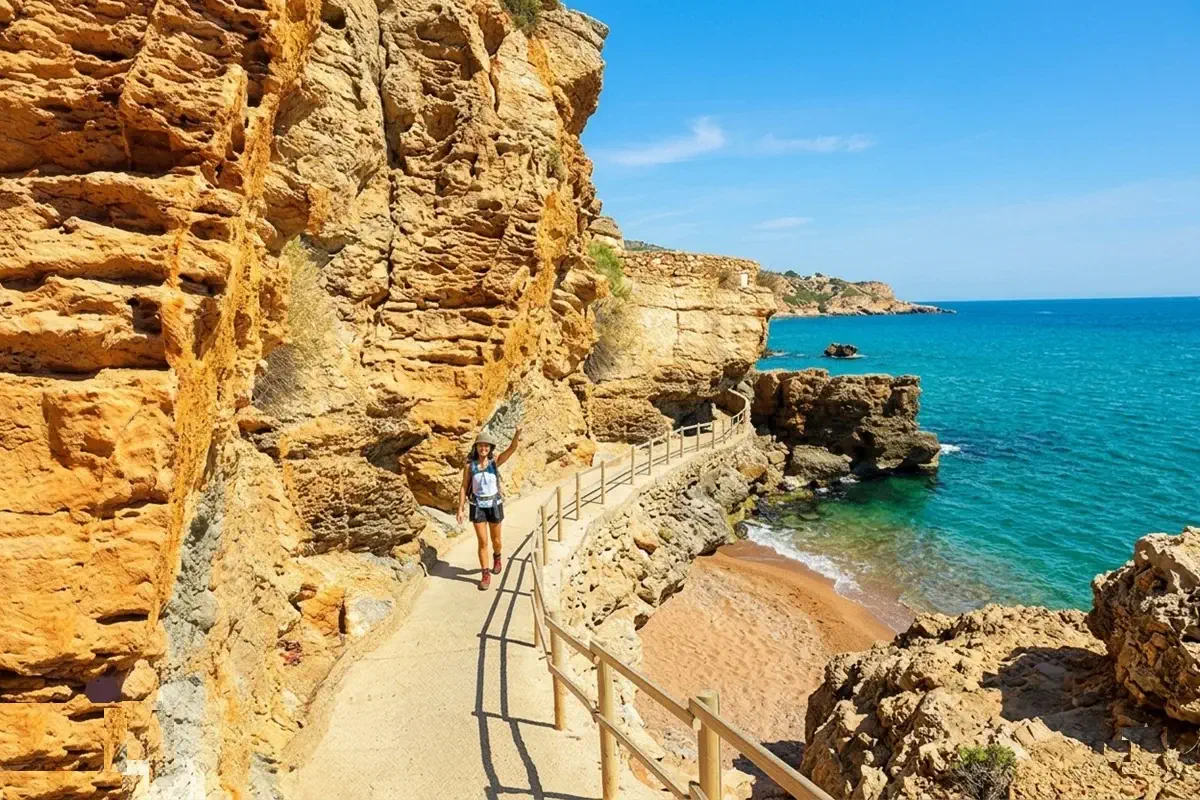 of towns such as Cadaqués, Roses or L’Escala turned this stretch of coast into a back door through which textiles, tobacco, spices and anything else made too costly by tariffs flowed freely.
Local fishermen knew every nook and cranny and often took part in these illegal trading networks, which supplemented an always precarious economy.
With the 20th century and the decline of organised smuggling, the path lost its original purpose but gained another: first as a link between villages that the rugged terrain had kept isolated, and later as a route of discovery for the first tourists, drawn by the unique light of Cap de Creus. The writer Josep Pla, a son of the Empordà, walked it and described it in his distinctive prose, at once dense and luminous, turning the landscape into literature and the path into a symbol of a collective identity that is still very much alive.
Similar trips in other destinations


The Costa Brava and the Caminos de Ronda
The Costa Brava, the stretch of coastline running from Blanes to the French border at Portbou, is one of the most spectacular landscapes in the entire Mediterranean. Its name says it all: a rugged, wild coast of sheer cliffs plunging into the sea in shades of ochre and slate, alternating with turquoise coves that seem straight out of a dream. For hikers, this corner of Catalonia is a first-class destination, and the undisputed star of any walking trip here is the Caminos de Ronda.
A path with a history
The Caminos de Ronda were not created as leisure routes. During the 18th and 19th centuries, Catalan coastguards walked them to watch for smugglers, patrolling on foot that jagged edge between land and sea. Today, having become one of the most celebrated hiking routes in Spain, they cover approximately 220 kilometres of coastline, although they can be walked in sections depending on the time available and the walker’s fitness.
The landscape that awaits
Setting out on the Caminos de Ronda means entering a world of constant contrasts. In the Alt Empordà section, between Cap de Creus — the easternmost point of the Iberian Peninsula — and Cadaqués, the tramuntana wind sculpts twisted vegetation over rocks of volcanic origin, creating an almost lunar setting. This is the landscape that fascinated Salvador Dalí and still captivates those who walk it at a slow pace. Further south, in the Baix Empordà, the path softens: Calella de Palafrugell, Llafranc and Tamariu offer some of the most photogenic stretches, with calm coves that invite a well-earned rest.
Practical tips for hikers
The best time to walk the Costa Brava is spring and autumn. In May and June, the Mediterranean vegetation — pines, wild olives, rosemary and esparto grass — is at its finest and the heat has not yet set in. In September and October, the golden light of sunset turns every viewpoint into an impossible postcard. Summer, though tempting for its weather, brings crowds to some of the most popular stretches, and the heat can make climbs in full sun demanding.
The essential kit is simple: hiking footwear with non-slip soles — paths over wet rock can be treacherous — plenty of water, sun protection and a hat, as many stretches have no shade for kilometres. Waymarking is generally good, as the path follows the GR-92, although there are points where it can be confused with the turn-offs to the coves: that’s why we give you access to our app with GPS navigation that works without signal, along with descriptions of the six stages, which you can download before setting off.
More than a path
What makes the Caminos de Ronda unique is not only their physical beauty. It is the experience of moving to the rhythm of the sea, hearing the waves breaking beneath your feet, discovering a hidden cove that can only be reached on foot, or sitting on a headland at dusk with the Mediterranean blazing orange before you. In an ever faster world, this path gives walkers back something essential: the pleasure of going slowly and truly looking.
Request a quote
Not quite what you’re looking for?
We adapt to your wishes Tell us what you have in mind and we’ll put together a tailor-made plan.

We’ll get back to you as soon as possible.

Frequently asked questions about the Caminos de Ronda
What exactly are the Camins de Ronda?
They are a historic network of coastal paths running along the Costa Brava, hugging the Mediterranean shoreline. They were created for fishermen, smugglers and the Civil Guard, who used them to patrol the coast. Today they form one of Europe's finest walking routes: cliffs, unspoilt coves, Mediterranean pine woods, fishing villages and viewpoints, one after another with barely a pause.
What route does this programme follow?
Six stages and 102.5 kilometres from Figueres to La Fosca, near Palamós, walking point to point along the Empordà coast. The days run Figueres to Sant Pere Pescador, then L'Escala, L'Estartit, Peratallada, Begur and finally La Fosca. Eight days in all, arriving in Figueres and departing from Girona.
How far do I walk each day, and how much climbing is there?
Between 12.9 and 22.5 kilometres per stage, with 1,497 metres of total ascent. The walk builds as it goes: the first two days across the Empordà wetlands are almost flat, while the climbing concentrates on L'Escala to L'Estartit and on the final stage into La Fosca, where the path rises and drops over steps cut into rock, roots and rocky ground above the sea. The longest day is the first, Figueres to Sant Pere Pescador; the shortest is Sant Pere to L'Escala.
What level of fitness do I need?
Graded 2 out of 5. You need moderate fitness: comfortable walking four to six hours with a light daypack, and happy climbing and descending. No technical experience or special equipment is required beyond proper footwear.
What are the highlights along the way?
The Empordà wetlands and the mouth of the Fluvià on the early stages; the Greco-Roman ruins of Empúries beside L'Escala; the Medes Islands off L'Estartit; Peratallada, one of the best-preserved medieval villages in Catalonia; and on the final stretch the coves of Begur and Aiguablava, before the descent to La Fosca.
What is included in the price?
Seven nights in hotels and apartments along the Costa Brava on a bed and breakfast basis, luggage transfer between accommodation, our own app with offline GPS navigation and stage descriptions, and phone support throughout the trip. The full breakdown is under Prices.
What is not included?
Flights or travel to Figueres and back from Girona, and lunches and dinners.
How do I book, and how do I pay?
A per-person deposit secures your booking, which we confirm within 24 hours once availability is checked. The balance falls due 30 days before your arrival date. If nothing is available we refund you or propose alternative dates. Exact amounts are under Prices.
What is the cancellation policy?
Up to 21 days before your arrival date you are refunded 100% of what you have paid, except the booking deposit, which is non-refundable. After that the refund decreases in bands as the date approaches; the full breakdown is under Prices. We recommend taking out cancellation insurance.
Is luggage moved between stages?
Yes, and it is included. Your case is collected at your accommodation each morning and delivered to the next one before you arrive, so you walk with just a daypack.
How do I get to the starting point?
The easiest access is Girona-Costa Brava airport, around 30 minutes away, or Barcelona-El Prat at an hour and a half. Both Figueres and Girona have high-speed rail stations, which makes arriving by train from Barcelona, Madrid or France very straightforward. The trip begins in Figueres and ends in Girona.
How do I find my way?
The path largely follows the GR-92, waymarked in red and white, though there are stretches where the marking thins out or gets confused with the turnings down to the coves. That is why you get our own app with offline GPS navigation, tracks for all six stages and a description of each. Mobile coverage is good near the villages but patchy in isolated coves and dense pine woods, so download the maps before you set off.
What should I pack?
A 20 to 25 litre daypack, a litre and a half of water, hat and sunglasses, sun cream, a light waterproof and food for the day. The ideal footwear is trail shoes or low-cut boots with good grip: the ground alternates rock, loose earth, roots and steps. And bring your swimming things — the coves are hard to resist.
When is the best time of year?
The programme runs from 1 March to 31 October. Spring and autumn are the best: mild temperatures, fewer people and a sea that is still warm in September. July and August are perfectly possible, but it gets hot and the coves fill up.
Do I need to speak Spanish or Catalan?
Not really. Catalan is the everyday language along this coast, Spanish is universally understood, and English is widely spoken in hotels and restaurants — this is a well-established tourist coast, not a remote corner. Menus are often in four languages. Our route notes and app are in English, and we are reachable in English throughout the week.
Is this suitable if I have never done a self-guided walking holiday before?
It is one of the easier routes to start with. The stages are short enough to finish by mid-afternoon, you are never far from a village or a road, and public transport along this coast is good if a day goes wrong. The path is waymarked and you have our app, our route notes and our phone number. What you are really giving up is a guide walking beside you — not the safety net.
If you have any further questions not covered here, take a look at our general FREQUENTLY ASKED QUESTIONS section or get in touch with our team. We have extensive knowledge of the Costa Brava and its many possibilities for self-guided hiking.







Camins de Ronda Costa Brava

6 stages of the Camins de Ronda with accommodation and luggage transfers. A walk from Figueres to La Fosca revealing the most hidden coves of Catalonia's Empordà coast and the clifftop paths once opened by fishermen.
Product Currency: EUR
Product Price: 840
Product In-Stock: InStock
-
Destination
Our gallery
Pictures from the stages
TOUR LOCATION
Explore the Ampurdanese Costa Brava. Choose between Option A and Option B
OPTION A: L'Escala ▸ Sant Feliu de Guixols | 6 hiking stages
Day 1 - your arrival in Figueres
OPTION A | Transfer to L'Escala
make your own way to the capital of the Empordà: Figueres. Depending on your arrival time, you may still have time to visit the Dalí Museum before being transferred to L'Escala, 30 minutes from Figueres.
+ Hotel Rallye (...or similar - L'Escala)
Day 2 - Stage 1
 OPTION A | L'Escala ▸ L'Estartit
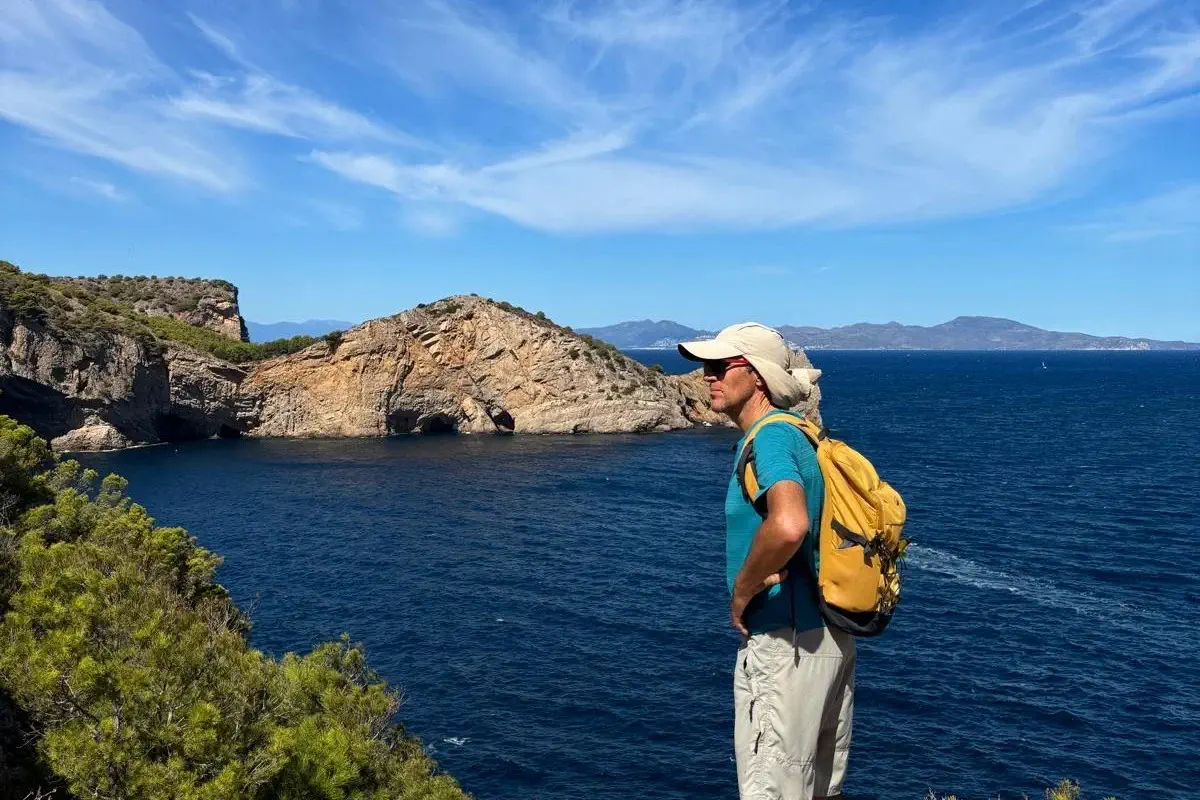
Leaving behind the fishing town of L’Escala and heading along the coast towards Cala Montgó, the whole Bay of Roses opens out to your left as you walk south, with the deep blue of the Mediterranean as your constant companion.
From Cala Montgó the path winds along low cliffs, passing tiny coves of exceptional beauty and revealing a wild, beautiful coastline where the crystal-clear waters invite you to stop.
The route continues to L’Estartit through lovely pine woods that perfume the path and past picturesque coves such as Cala Ferriola and Cala Pedrosa. Between them lies the legendary Foradada, an impressive cave that opens to the sea on both sides of the headland and can only be explored by boat or kayak. A truly unforgettable stretch.
15.7 km | ↗ 486 m | ↘ 487 m
+ Hotel Santa Anna (or similar - L'Estartit)
Day 3 - Stage 2
 OPTION A | L'Estartit▸ Peratallada
Today's route brings a fascinating change of scene: we leave the salty sea air behind and head into the heart of the "Empordanet", where the landscape becomes agricultural, unhurried and deeply medieval.
After leaving L'Estartit and walking inland, the path crosses the fertile plain of the Baix Empordà following the course of the river Ter. The imposing Castell del Montgrí, a medieval fortress crowning the mountain, keeps you company all the way to the historic town of Torroella de Montgrí.
The inland route takes you to Gualta, a small and charming medieval village. Further on, the day is crowned by your arrival in one of the most beautiful villages in Catalonia. Entering Peratallada is like stepping back in time; its streets carved into the living rock, its walls and its moat take you straight back to the 10th century. Today's stage will have been flat and gentle, perfect for enjoying the silence of the countryside and ending the day with a glass of local wine among centuries-old stone walls.
19.6 km | ↗ 108 m | ↘ 79 m
+ Hostal Blau (or similar - Peratallada)
Day 4 - Stage 3
 OPTION A | Peratallada▸ Begur
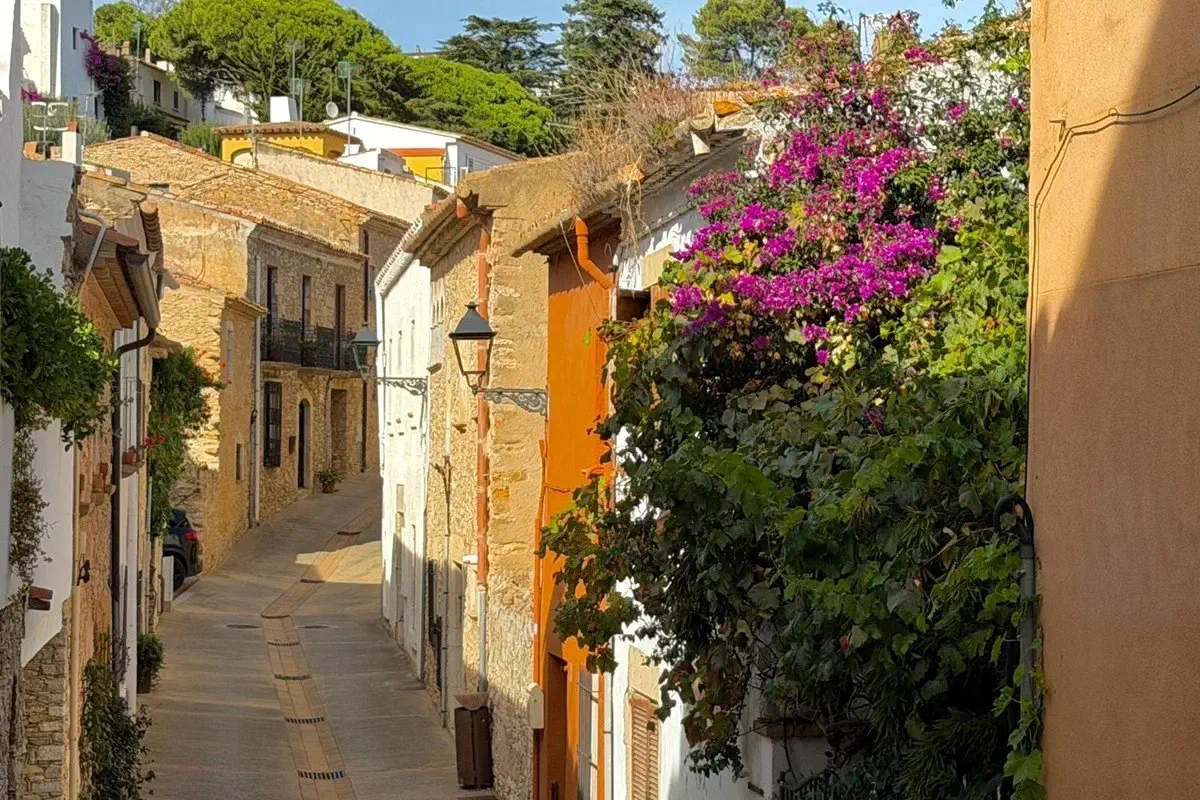
This legendary trail is a journey into the most romantic essence of the Empordà, linking two of the most spectacular medieval towns in Catalonia before returning to the sea. On leaving Peratallada, the path heads into gently rolling countryside and rural lanes that exude tranquillity.
The silhouette of Pals soon appears on the horizon, rising atop a hill. It is well worth strolling through its Gothic quarter, which is literally like walking through an open-air museum. From the Josep Pla viewpoint, the view across the Empordà plain with the Medes Islands in the background is an image that will stay etched in your memory forever.
The path towards Begur becomes shadier and more fragrant, crossing dense pine woods that herald the nearness of the coast. The final climb rewards you with Begur, a lively village famous for its castle and its brightly coloured Casas Indianas (colonial-style "Indiano" mansions).
13.3 km | ↗ 218 m | ↘ 52 m
+ Bypillow Cluc Begur (or similar - Begur)
Day 5 - Stage 4
 OPTION A | Begur ▸ Llafranc
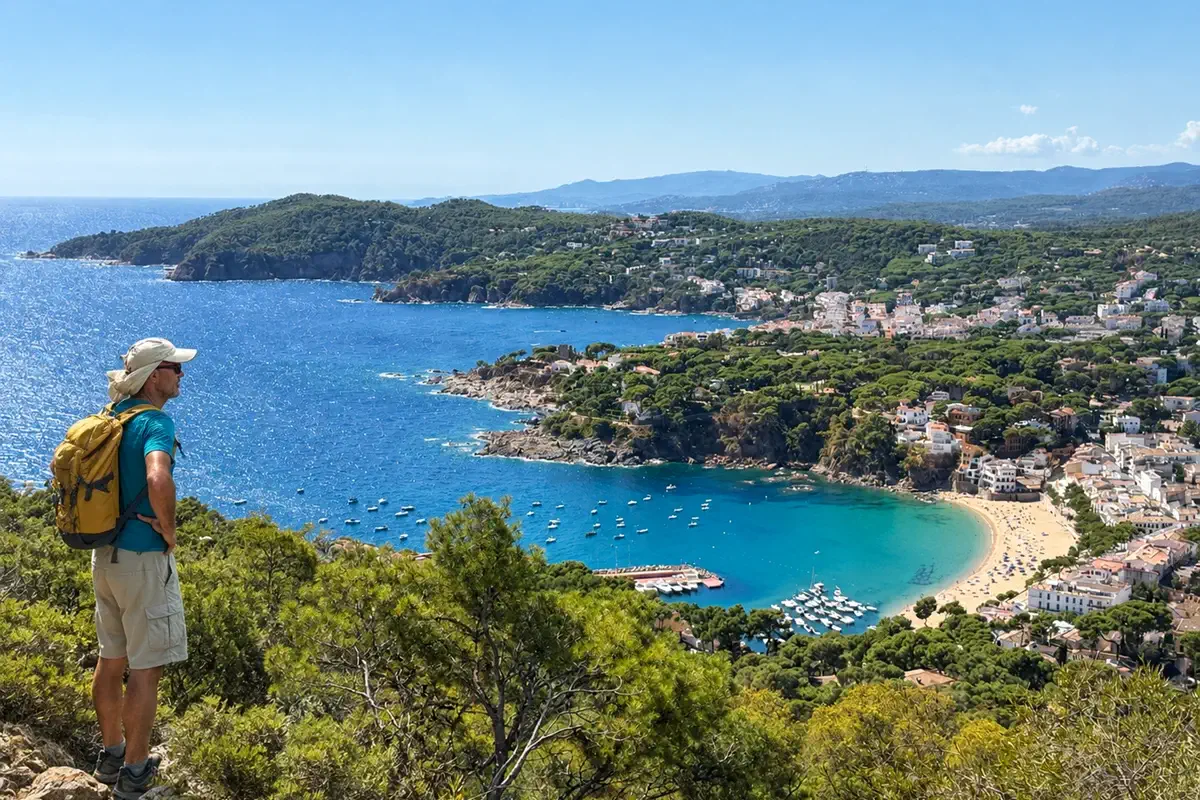
Today you will walk through the Heart of the Costa Brava: from Begur to Llafranc. This is the "jewel in the crown" of the Girona coastline. This stretch of the Camí is an endless display of Mediterranean postcards, linking stately Begur with the authentic seafaring character of Palafrugell and its fishing villages.
After descending through the hills of Begur, the path winds between pines and cliffs until it reaches Llafranc, a village of white façades and wooden boats resting on the sand, a haven for the spirit of the habaneras (traditional sea songs); a route that is a pure visual delight.
And when you arrive, treat yourself to a swim in the crystal-clear waters of Llafranc's lovely beach before checking into your hotel.
13.2 km | ↗ 537 m | ↘ 737 m
+ Hostal Sa Teula (or similar - Llafranc)
Day 6 - Stage 5
OPTION A | Llafranc▸ Palamós
Beneath the gaze of the Far de Sant Sebastià lighthouse, the path skirts the rocks along walkways and steps carved beside the water until it reaches Calella de Palafrugell. There you will find white façades, arcaded porches and wooden boats pulled up on the sand.
Leaving Calella, the path climbs through the pines towards Cap Roig, whose reddish cliffs hold one of the most spectacular botanical gardens in the Mediterranean. From here begins the Castell-Cap Roig natural area, an unspoilt coastline dotted with hidden coves of transparent water, such as Cala Estreta with its old fishermen's huts. The landscape seems frozen in time.
The final stretch takes you to Platja de Castell, one of the few beaches spared from development, watched over by the remains of an Iberian settlement. From there, tunnels carved into the rock and cliffside passages lead you to La Fosca and its Castle of Sant Esteve de Mar. All that remains is a final stroll to Palamós, where the fishing port, the fish market and the famous Palamós prawn put the perfect finishing touch to a day of pure Mediterranean delight.
12.3 km | ↗ 312 m | ↘ 312 m
+ Vostra Llar (or similar - Palamós)
Day 7 - Stage 6
 OPTION A | Palamós ▸ Sant Feliu de Guixols
The final stage plays out between luxury and tradition. The route is a showcase of contrasts, taking you from the bustling port life of Palamós to the most exquisite architectural elegance in Sant Feliu de Guixols.
After leaving behind the serenity of La Fosca and skirting the port of Palamós, the path opens onto the wide bay of Sant Antoni de Calonge, a flat, luminous walk with the sea always by your side.
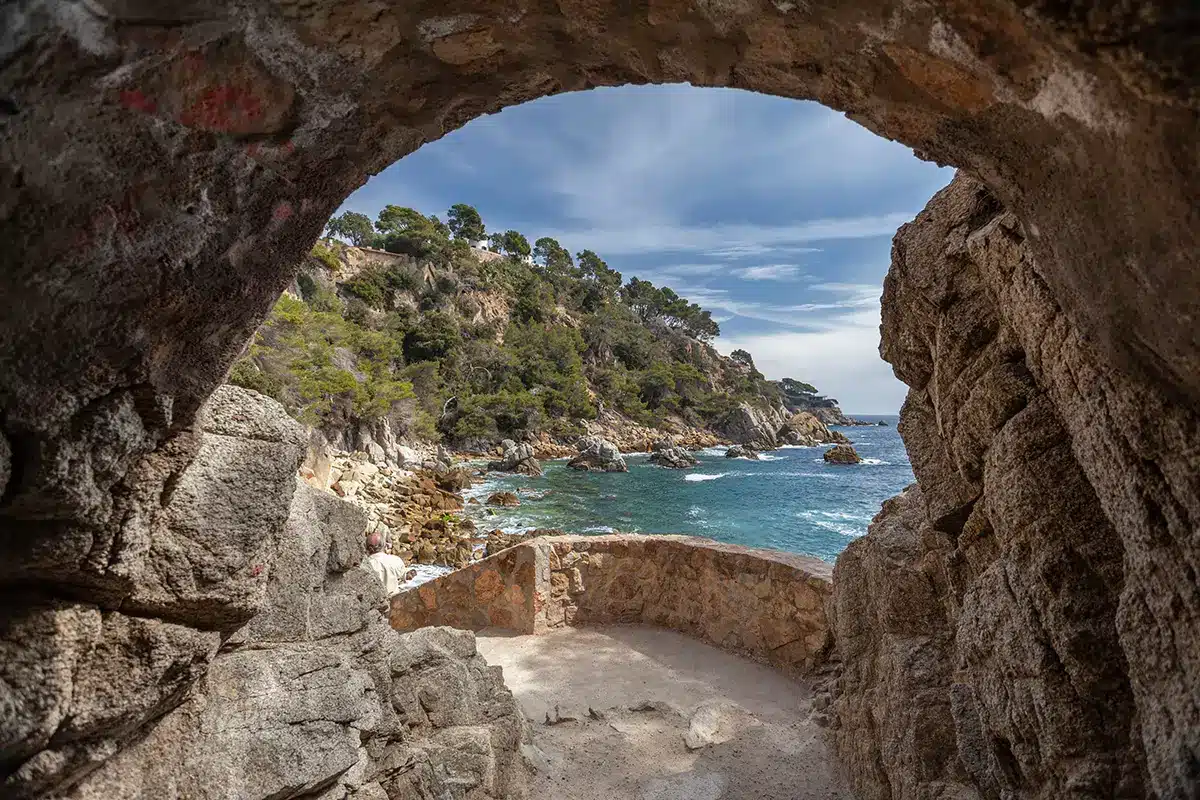
But the soul of this stage comes alive as you enter the Platja d'Aro section. Here the path turns "playful", winding through tunnels carved into the rock and peering down into turquoise coves such as Cala del Pi, which look straight out of a postcard. The route ends in Sant Feliu de Guíxols, a historic seafaring town famous for its majestic monastery and welcoming atmosphere.
17 km | ↗ 191 m | ↘ 192 m
+ H. Boutique Élke & Spa (or similar - Sant Feliu de Guixols)
Day 8 - Departure
 OPTION A | Departure or extension
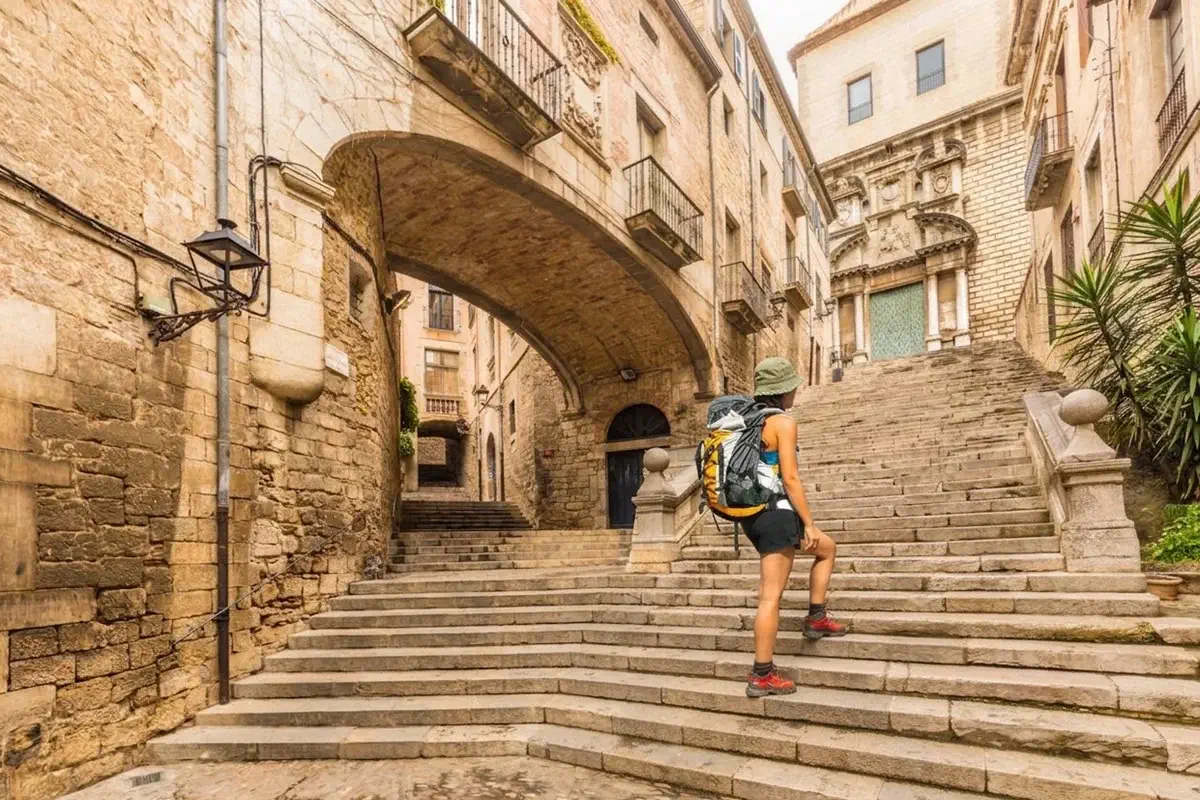
Train from Girona to Barcelona airport to continue on to your destination, or time to discover the hidden corners of Girona and enjoy its unique atmosphere.
OPTION B | Transfer to Sant Pere Pescador
OPTION B: Sant Pere Pescador ▸ Sant Feliu de Guixols | 5 hiking stages + 1 E-bike stage
Day 1 - your arrival in Figueres
OPTION B | Transfer to Sant Pere Pescador
make your own way to the capital of the Empordà: Figueres. Depending on your arrival time, you may still have time to visit the Dalí Museum before being transferred to Sant Pere Pescador, 20 minutes from Figueres.
+ Hotel El Molí (...or similar - Sant Pere Pescador)
Day 2 - Stage 1
 OPTION B | Sant Pere Pescador▸ L'Escala
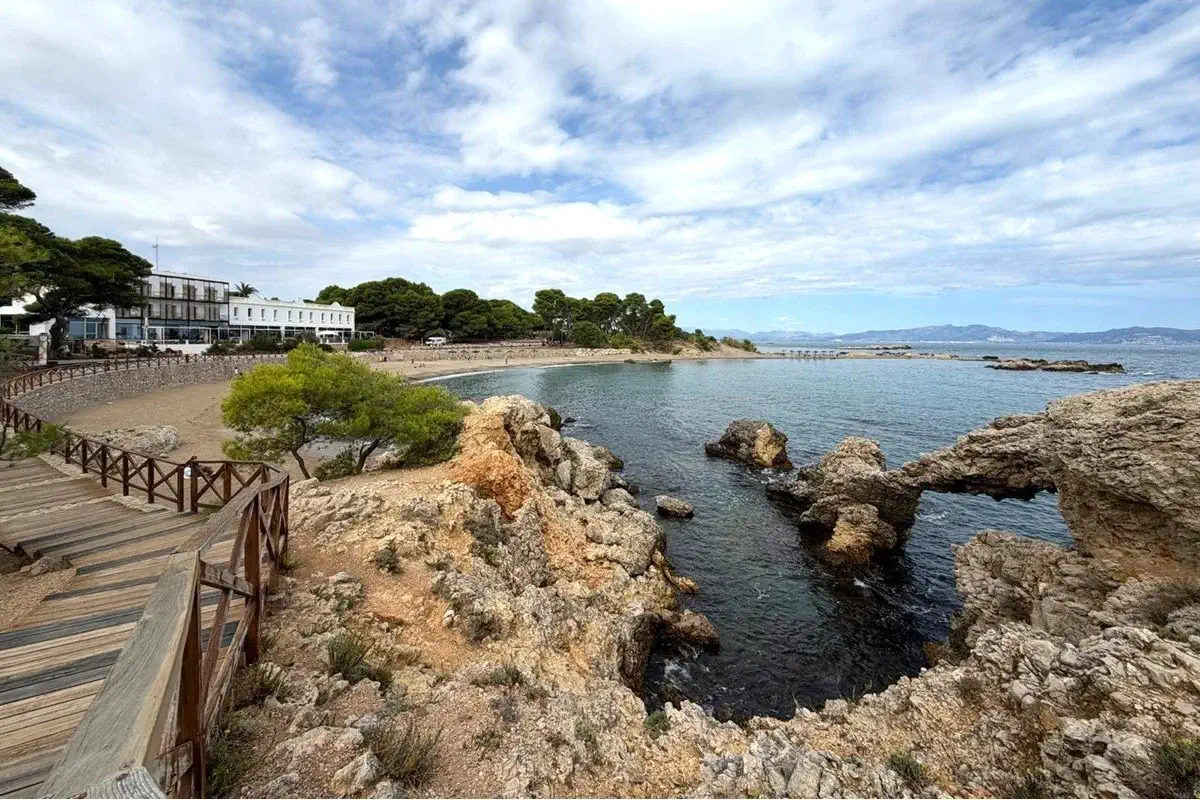
The path running alongside the river leads out onto the long beach of the Bay of Roses. From there, the route continues beside the sea heading south, accompanied by the gentle murmur of the waves and a Mediterranean light that bathes everything.
As well as being a peaceful walk along the coast, this first stage leads you to the Greco-Roman site of Empúries, next to the charming medieval village of Sant Martí d'Empúries, where traces of the ancient civilisations that arrived by sea are still preserved.
The route keeps to the coast, now and then crossing the sand of the beach, until it reaches the town of L'Escala, an old fishing village with a deep-rooted seafaring tradition, famous for its anchovies.
12.3 km | ↗ 15 m | ↘ 14 m
+ Hotel Rallye (or similar - L'Escala)
Day 3 - Stage 2
OPTION B | L'Escala ▸ L'Estartit
Leaving behind the fishing town of L’Escala and heading along the coast towards Cala Montgó, the whole Bay of Roses opens out to your left as you walk south, with the deep blue of the Mediterranean as your constant companion.
From Cala Montgó the path winds along low cliffs, passing tiny coves of exceptional beauty and revealing a wild, beautiful coastline where the crystal-clear waters invite you to stop.
The route continues to L’Estartit through lovely pine woods that perfume the path and past picturesque coves such as Cala Ferriola and Cala Pedrosa. Between them lies the legendary Foradada, an impressive cave that opens to the sea on both sides of the headland and can only be explored by boat or kayak. A truly unforgettable stretch.
15.7 km | ↗ 486 m | ↘ 487 m
+ Hotel Santa Anna (or similar - L'Estartit)
Day 4 - Stage 3
 OPTION B | E-Bike Tour: L'Estartit ▸ Gualta ▸ Peratallada ▸ Playa de Pals
The mouth of the river Ter forces a detour inland, a route you can complete by bike in a single day, visiting the beautiful medieval villages of Gualta, Palau-sator, Peratallada and Pals, with their walls, cobbled streets and stone houses steeped in history.
You pedal along easy dirt tracks and quiet back roads, between rice fields, orchards and farmhouses, enjoying a surprising and little-known landscape in the Golden Mile of the Empordà.
When you reach Pals beach, leave the bike behind and continue on foot along the Camí de Ronda towards Tamariu, a spectacular stretch of the Costa Brava alternating cliffs, pine woods and turquoise coves such as Aiguablava or Sa Tuna, perfect for a refreshing swim.
◉◉OOO 30.8 km ↗ 93 m ↘ 85 m
+ Aparthotel Golf de Pals (...or similar - Playa de Pals)
Day 5 - Stage 4
 OPTION B | Playa de Pals ▸ Tamariu
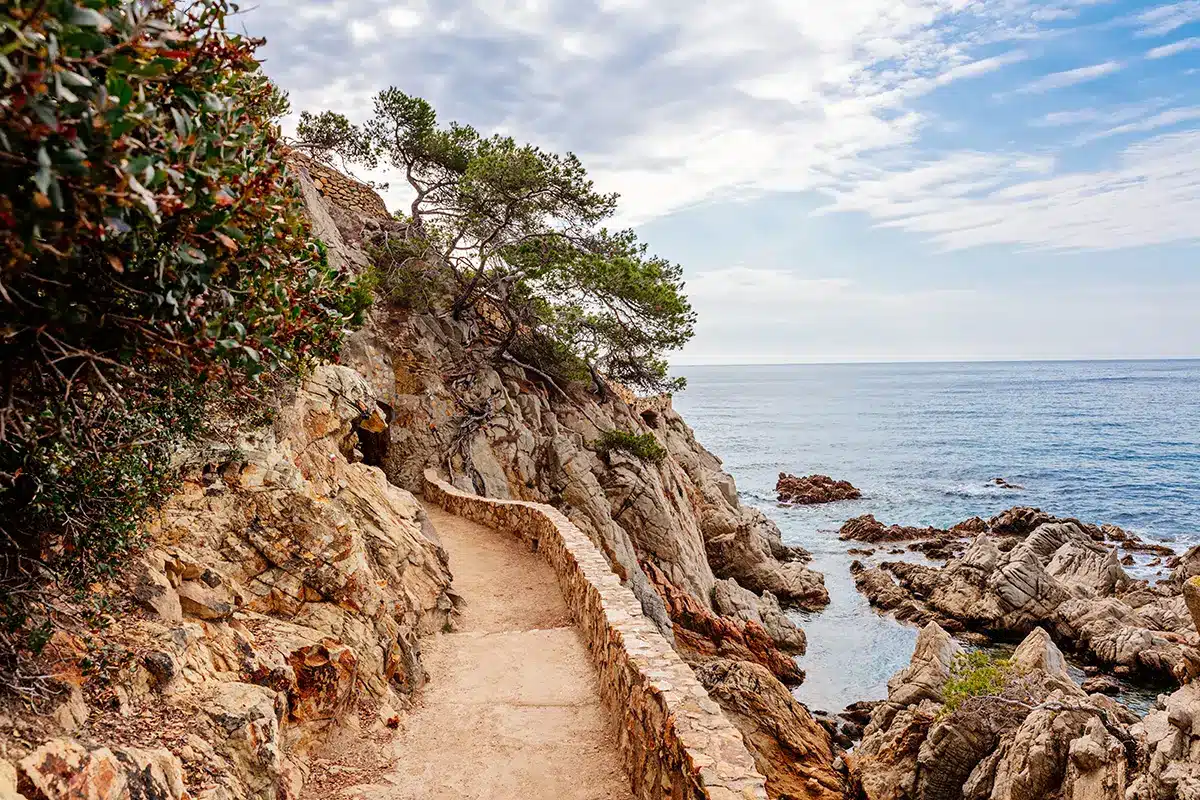
Today you walk one of the most spectacular and demanding stretches of the Costa Brava. Leaving the wide beach of Pals behind, the landscape changes abruptly: sand gives way to rock and the path begins to climb over the first cliffs, looking down on Cala de l'Illa Roja, with its unmistakable reddish islet, before dropping down to Sa Riera beach.
From here the Camí de Ronda links some of the most beautiful coves on the coast: Aiguafreda and Sa Tuna, with their little fishermen's houses right at the water's edge, and further on Fornells and Aiguablava, whose intense turquoise waters invite a refreshing swim. The ups and downs are constant, but every climb has its reward in the form of a viewpoint over the Mediterranean. If you still have energy, you can make a detour to the village of Begur, famous for its castle and its colourful Casas Indianas.
The last stretch heads into the lush pine forests of the Begur hills, a shady, fragrant path that leaves the sea behind, only to meet it again at the end of the day. Arriving in Tamariu, a small, peaceful fishing village tucked into a pine-fringed cove, is the perfect finale to an intense and unforgettable stage.
15.1 km | ↗ 828 m | ↘ 819 m
+ Hostal Es Niu de Tamariu (or similar - Tamariu)
Day 6 - Stage 5
 OPTION B | Tamariu ▸ Palamós
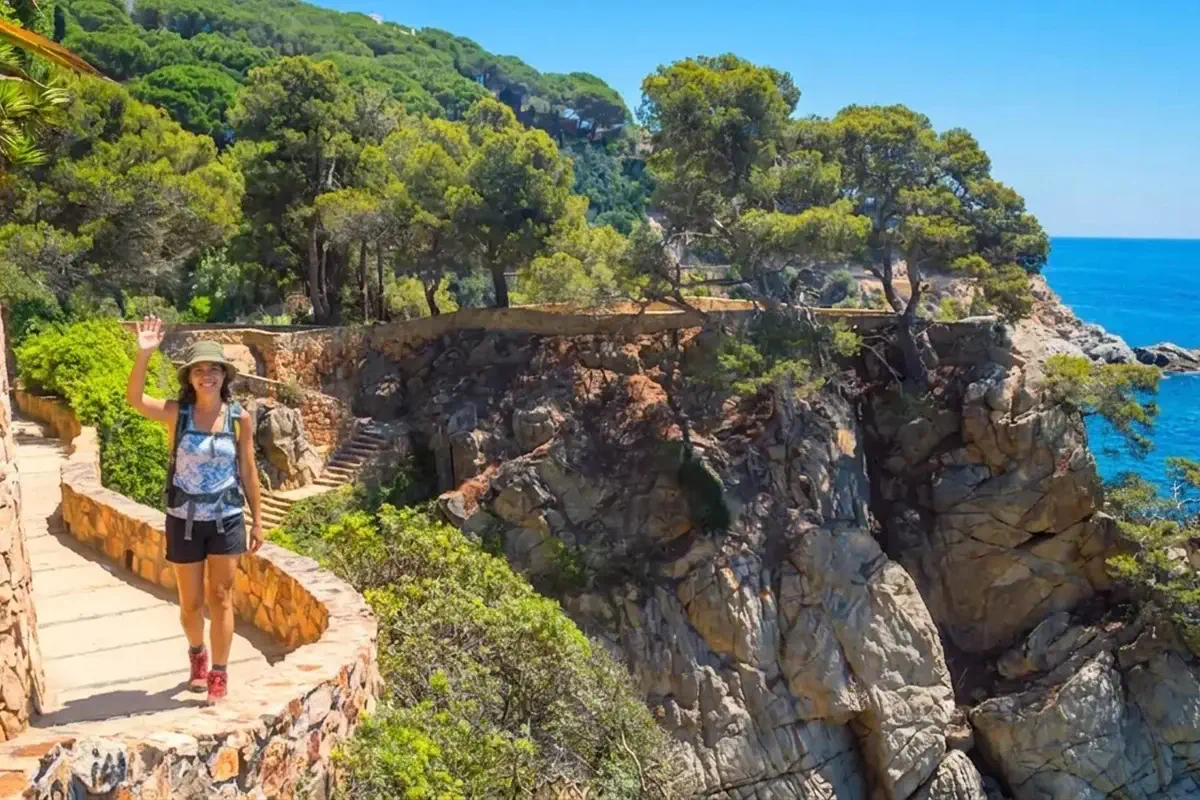
The stage begins in the sheltered cove of Tamariu with a climb through the pines towards the Far de Sant Sebastià, the lighthouse that crowns one of the highest headlands on the coast. From its viewpoint the panorama over the Mediterranean is immense, and at your feet lies Llafranc, with its seafront promenade and small marina, where the path meets the sea once again.
Along walkways and steps beside the water you reach Calella de Palafrugell, the village of the habaneras, with its arcaded porches and wooden boats pulled up on the sand. Further on, the path skirts the reddish cliffs of Cap Roig, home to a renowned botanical garden, and enters an unspoilt coastline dotted with hidden coves such as Cala Estreta, where the old fishermen's huts still stand.
The final stretch takes you to Platja de Castell, one of the few beaches spared from development, watched over by the remains of an Iberian settlement. From there, steps carved into the rock lead you to La Fosca and finally to Palamós, where the fishing port and its famous prawn put the perfect finishing touch to an intense day full of contrasts.
17.7 km | ↗ 445 m | ↘ 457 m
+ Hotel Vostra Llar (or similar - Palamós)
Day 7 - Stage 6
OPTION B | Palamós ▸ Sant Feliu de Guixols
The final stage plays out between luxury and tradition. The route is a showcase of contrasts, taking you from the bustling port life of Palamós to the most exquisite architectural elegance in Sant Feliu de Guixols.
After leaving behind the serenity of La Fosca and skirting the port of Palamós, the path opens onto the wide bay of Sant Antoni de Calonge, a flat, luminous walk with the sea always by your side.
But the soul of this stage comes alive as you enter the Platja d'Aro section. Here the path turns "playful", winding through tunnels carved into the rock and peering down into turquoise coves such as Cala del Pi, which look straight out of a postcard. The route ends in Sant Feliu de Guíxols, a historic seafaring town famous for its majestic monastery and welcoming atmosphere.
17 km | ↗ 191 m | ↘ 192 m
+ H. Boutique Élke & Spa (or similar - Sant Feliu de Guixols)
Day 8 - Departure
OPTION B | Departure or extension
Train from Girona to Barcelona airport to continue on to your destination, or time to discover the hidden corners of Girona and enjoy its unique atmosphere.

Book early!! ...and get a 6% discount on trips between 15 September and 15 June booked at least 90 days in advance.
(NOT available from November to February)
PRICES, valid until 31 October 2027
◇ OPTION A | 6 stages
994 € ▸ 934 € per person | double/twin room (2 people)
| Single room supplement
(...also for a 3rd person in a single room): + 375 €
Solo Traveller (travelling alone): 1595 € ▸ 1499 €
◆ OPTION B | 5 stages + 1 stage
1155 € ▸ 1086 € per person | double/twin room (2 people)
| Single room supplement
(...also for a 3rd person in a single room): + 375 €
includes rental
Solo Traveller (travelling alone): 1890 € ▸ 1776 €
 Peak tourist season doesn't just mean high temperatures, crowds everywhere and expensive flights. Accommodation prices also rise considerably. For this reason, we cannot offer early booking discounts at this time of year, and the price of the whole package may be higher than shown. On the Costa Brava, peak season runs from 23 June to 10 September
 Bookings: Pay a deposit of €150 (per person) now to secure your booking and pay the balance 30 days before your arrival date. We will confirm your booking within 24 hours. In the unlikely event that the accommodation is not available, we will refund the amount paid or suggest alternative dates.
What does this package include?
 Accommodation - 7 nights in carefully selected accommodation along the route, on a bed & breakfast basis
 Information - personal briefing by video call (if desired) on your arrival day
 Access to our App - with descriptions and GPS navigation for each stage, tracked from your mobile device
 Luggage transfers - we take care of moving your luggage from one accommodation to the next.
 OPTION B: E-bike rental - delivered in L'Estartit and returned in Playa de Pals
 24/7 support - we stay in constant contact throughout your trip to help with any questions or problems

What is NOT included?
Cancellation Policy
call us on +34 922 433 001 or write to us
Ask us for more information ...
... open this form and send us your questions ↷
ACCOMMODATION - Subject to availability:
L'ESCALA ▸ Hotel Nieves Mar (or similar)
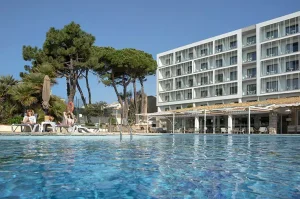
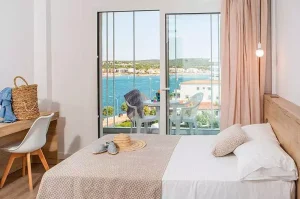
L'ESTARTIT ▸ Hotel Santa Anna (or similar)
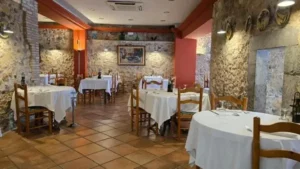
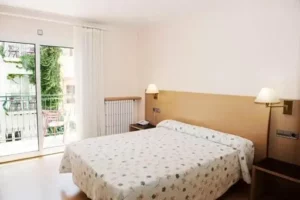
PERATALLADA ▸ Hostal Blau (or similar)
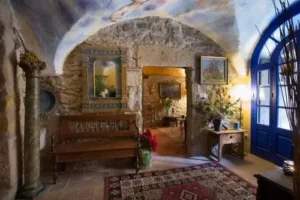
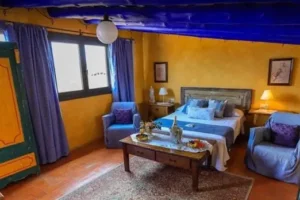
BEGUR ▸ Bypillow Cluc Begur (or similar)
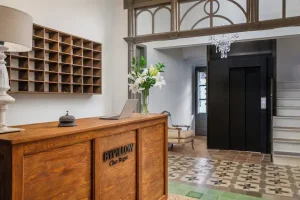
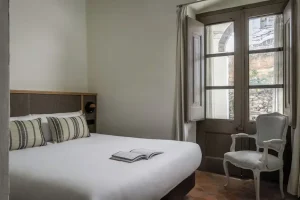
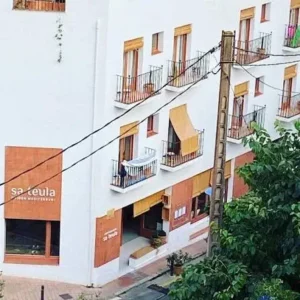
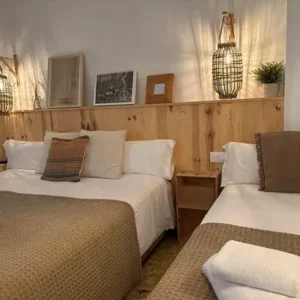
LLAFRANC ▸ Hostal Sa Teula (or similar)
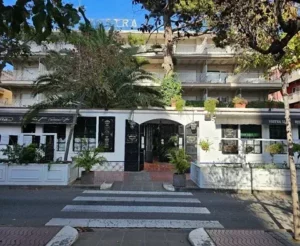
PALAMÓS ▸ Hotel Vostra Llar (or similar)

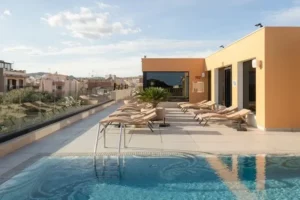
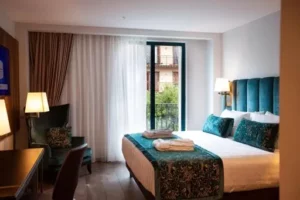
SANT FELIU DE GUIXOLS ▸ Hotel Boutique Elke & Spa (or similar)
Extra nights
You can also book extra nights before or after your hiking programme, or an additional week to relax.
Difficulty level
To complete the 6 stages of the Camí de Ronda Costa Brava successfully, you need a good level of physical fitness. Depending on the time of year, temperatures can be extreme (hot and/or cold), so you should always carry suitable warm clothing that you can add or remove in layers as needed. Hiking poles are highly recommended.
Trails
The Camí de Ronda Costa Brava is a network of trails certified to European standards.
We recommend
Suitable hiking clothing and sturdy footwear. On the trail, you should carry food and enough to drink, as well as sun protection, a cap and a light windbreaker; in the winter months, bring warm clothing too.
Luggage transfers
We move your luggage from one accommodation to the next, so on the trail you only need to carry a daypack with the essentials. For the whole trip, a single suitcase of no more than 20 kg is ideal.
You can book for any date!
FLY TO BARCELONA
...AND CONTINUE BY TRAIN TO FIGUERES

Other options to consider
Although it has far fewer weekly flights, GIRONA airport also connects you with other destinations, both domestic and international. And from GIRONA to FIGUERES the train takes just 15 minutes 😉

FLY TO BARCELONA
...AND CONTINUE BY TRAIN TO FIGUERES
Other options to consider
Although it has far fewer weekly flights, GIRONA airport also connects you with other destinations, both domestic and international. And from GIRONA to FIGUERES the train takes just 15 minutes 😉
...or search directly on the airlines' websites


Alberto
Trip organiser
Any questions? I'm here to help and will be happy to answer anything you'd like to know!