

Hiking on your own
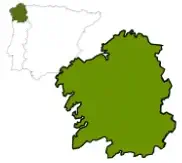
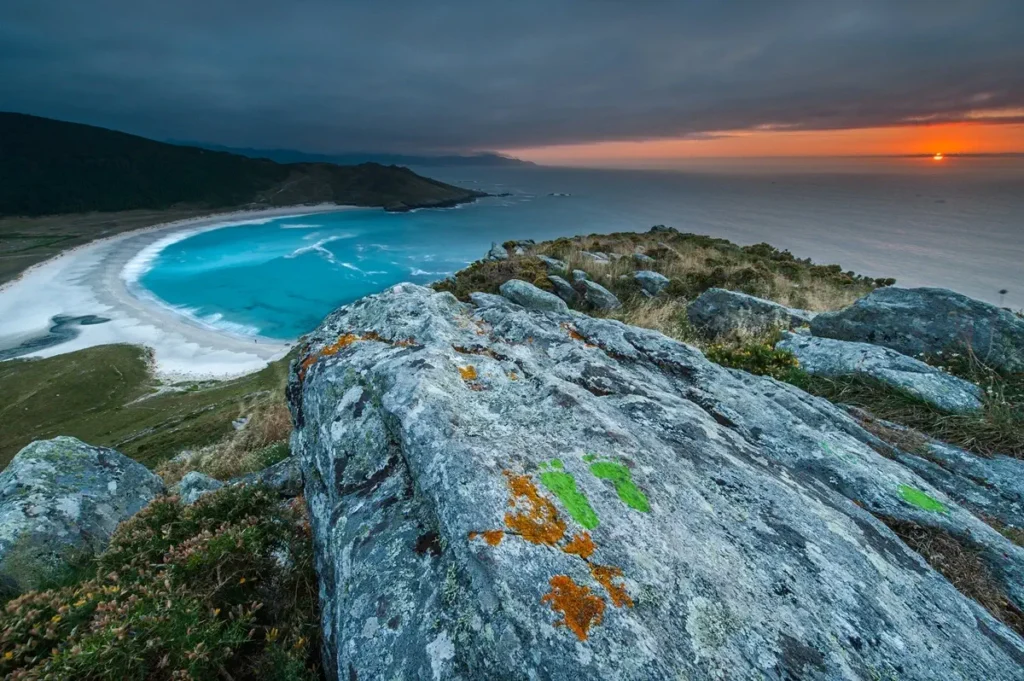
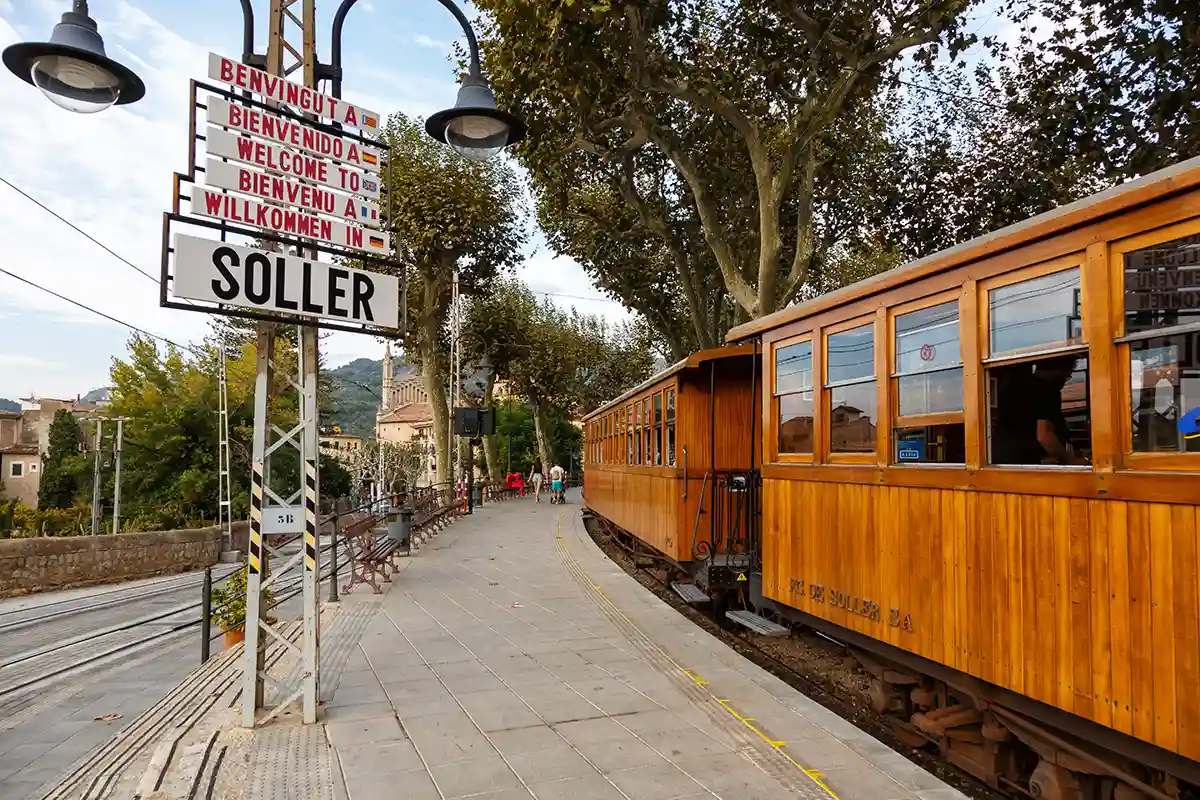
Discover other itineraries for walking at your own pace, beyond the Canary Islands. We now also offer hotel-to-hotel hiking packages for independent walking in Portugal (Trilho dos Pescadores) Açores (Ilha de Saõ Miguel & Santa Maria), Menorca (Camí de Cavalls), Mallorca (Serra de Tramuntana), Galicia (Camiño dos Faros):





Stay in small hotels
We choose charming accommodations, far from regular tourist areas, but with a genuine atmosphere.

Spectacular walks
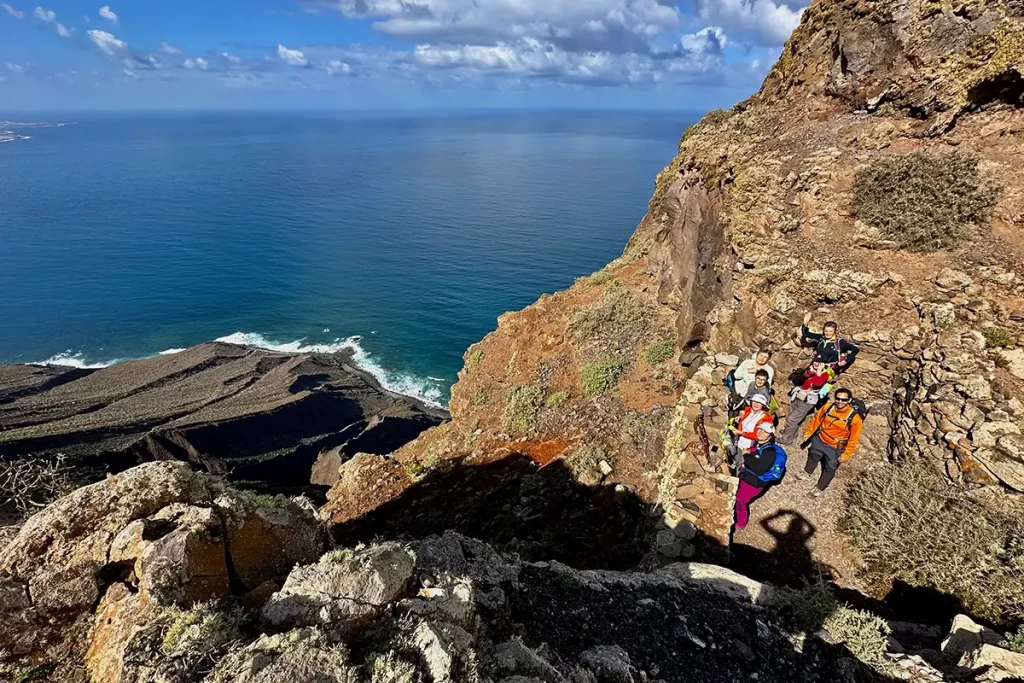
Our walking routes show you breathtaking landscapes with great diversity. Will provide you an in-depth knowledge of the place.
Exclusive transfers
We prioritise public transport for environmental reasons, but we also use private transfers if necessary.

Detailed maps and GPX
We provide you detailed informations of each walk, with maps and descriptions as well as GPX files.
▸ Incluye

▸ Incluye
MENORCA 
Camí de Cavalls 
▸ Include
 |
|  |
|  |
| 


MALLORCA 
Serra de Tramuntana

▸ Incluye
AZORES 
São Miguel 
▸ Included
| | |


▸ Incluye
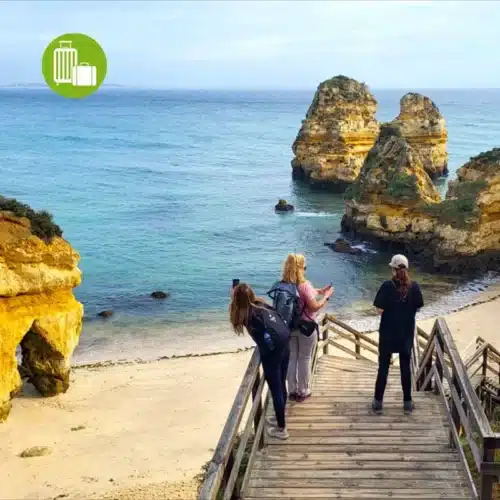
PORTUGAL 
Rota Vicentina 
▸ Included
|  | |
| |


GALICIA 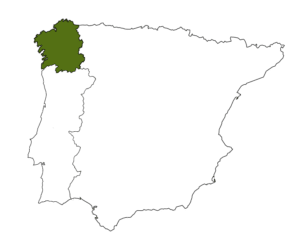
Camiño dos Faros 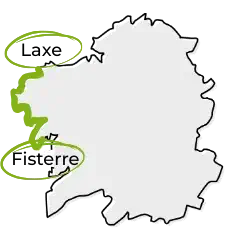
▸ Included
| | |
Google reviews
What do customers say about us?
Hiking trails ▸ Considerations
The hiking trails of Spain and Portugal offer a unique experience for lovers of hiking, nature and culture. Throughout the Iberian Peninsula, an extensive network of hiking trails crosses mountains, valleys, forests and coastlines, connecting small villages with ancient history and natural landscapes of incomparable beauty. These hiking trails not only allow you to enjoy the outdoors, but also to discover the rich landscape and cultural diversity of both countries.
In Spain, long-distance (GR), short-distance (PR) and local (SL) trails are clearly signposted. The famous Camino de Santiago, for example, is one of the country’s most iconic trails. From the Pyrenees to Galicia, thousands of pilgrims follow this historic hiking trail every year, combining spirituality, nature and heritage. Other noteworthy hiking trails include the Ruta del Cares, in the Picos de Europa, a narrow path carved into the rock that crosses impressive gorges, and the GR 7, which runs from Andalusia to the Pyrenees following ancient trade routes.
Portugal, for its part, has also developed an increasingly popular network of trails. The Rota Vicentina, in the Alentejo and Algarve regions, offers some of the most spectacular coastal trails in Europe, where cliffs plunge into the Atlantic and the native flora is surprisingly beautiful. In the north, the Peneda-Gerês National Park is home to mountain hiking trails that cross ancient forests, crystal-clear rivers and villages that seem frozen in time.
One of the most appealing aspects of the hiking trails in Spain and Portugal is their diversity. There are trails for all levels: from easy and accessible routes for families to demanding crossings for experienced mountaineers. In addition, many trails cross natural parks and protected areas, allowing for the sighting of native fauna and flora, such as the Iberian lynx, the golden eagle or the centuries-old cork oaks.
The trails are also a way of getting closer to history and tradition. They often follow ancient Roman roads, transhumance routes or pilgrimage routes. Walking along these trails is also a way of travelling through the memory of the villages, their customs and their evolution. Many hiking trails pass through charming villages, where visitors can sample the local cuisine, learn about traditional trades and chat with hospitable people.
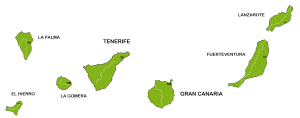
In the Canary and Balearic Islands there are also numerous well-preserved hiking trails that allow you to explore volcanic landscapes, hidden beaches and impressive ravines. On the island of La Palma, for example, the GR 131 connects the highest points with coastal areas, offering spectacular views. In Mallorca, the Dry Stone Route is one of the most iconic trails, crossing the Serra de Tramuntana between ancient stone walls and centuries-old olive trees.
Whether you are looking for a weekend getaway or a multi-day trek, the trails of Spain and Portugal are an unbeatable option. The trails combine nature, sport, culture and tranquillity. The variety of climates and landscapes on the Iberian peninsula means that the trails can be enjoyed at any time of the year.
In short, travelling along the hiking trails of Spain and Portugal is a way of reconnecting with the essential, of moving to the rhythm of the earth and of experiencing the freedom of walking without haste. Each step along these trails is an opportunity for discovery, and each hiking trail is a gateway to new adventures.


Questions?
Here we are! Ready to help you and answer any questions you may have. Contact us!

Custom-made plans
Although we offer you multiple self-guided hiking holidays, perhaps nothing suits what you have in mind…
…pero podemos adaptarnos a tus prerogativas y diseñar un itinerario a tu medida, según las indicaciones que nos des.
REQUEST MORE INFORMATION
…Frequently Asked Questions
How does luggage transfer between hotels work on point-to-point itineraries?
You must leave your suitcase at the hotel reception in the morning (usually before 8:00 or 9:00 AM). The company will collect it and deliver it to your next accommodation before you arrive on foot.
Is there a weight or size limit for the suitcase you transport?
Yes, the usual allowance is one suitcase per person weighing around 15-20 kg. If you are carrying more luggage, there is usually a surcharge.
Can I leave valuables in the suitcase that is being transported?
We recommend that you always carry your money, documents and delicate electronic devices with you in your day bag. The transfer is secure, but your luggage will pass through several hands and modes of transport.
What happens if my suitcase does not arrive on time at the next hotel?
We have a 24/7 helpline to locate transport and resolve any logistical issues immediately.
To plan each itinerary, do I need to know how to use a paper map or compass?
No es imprescindible si usas la app de nuestra agencia, pero siempre es recomendable saber interpretar un mapa físico. La app te guiará mediante el GPS de tu móvil.
Does the application function in areas without data coverage?
Yes. Our app provides you with a flow of information and maps that you download in advance so that they work completely offline, allowing you to see your exact position on the track even in high mountains.
What happens if my mobile phone battery runs out during the route?
This is the main risk. Therefore, it is mandatory to carry a charged external battery (power bank) and printed technical data sheets for the stage as a backup.
Are GPS tracks accurate?
Yes, they are usually recorded on site and updated periodically to avoid closed trails or recent route changes.
What type of accommodation is included in these itineraries?
It depends on the package, but normally they are hotels, rural houses or guesthouses with private bathrooms and quality standards verified by our agency.
Are dinners included?
Breakfast is usually included. Some accommodations offer dinner (half board) or a picnic lunch for en route, which must be booked separately.
Can you cater for special dietary requirements (coeliac, vegan)?
Yes, provided that advance notice is given, our agency will coordinate with the accommodation providers to adapt the menus.
What if one day I feel unwell or am too tired to walk?
In this case, we can arrange a taxi transfer (at an extra cost or included depending on your insurance) to the next hotel so that you can rest.
What is the level of difficulty of the routes?
The routes are categorised by elevation gain and distance. Based on the itinerary you choose, we will advise you on which one best suits your physical condition before you make your booking.
Is it safe to do the route alone?
Yes, thanks to GPS tracking and the helpline. You are ‘alone but connected’. What’s more, you will always find other hikers on popular routes.
How can I share my journey with another person?
There are apps such as GAFFL that make it easy to connect with other solo travellers with whom you could share your trip. Sharing your trip with someone else has many advantages:
- Savings: your trip will be cheaper when you split the costs of accommodation and transport with someone else
- Environment: you contribute to the sustainability of the planet
- Social: you share experiences while discovering new places.
How will I receive my travel documents?
A few weeks before starting your trip, you will receive the app user manual and login details, as well as hotel vouchers and equipment recommendations.
When you arrive at your first accommodation, you will find an envelope waiting for you with a physical map and luggage tags to correctly identify the bags we will be transporting.