
25 Aug Self-Guided Island Hiking Experiences: Canary Islands, Balearics, Azores
The best self-guided island hiking experiences often begin exactly where everyday routine abruptly ends: on a black lava field above the Atlantic, on a quiet coastal path, or between the dry-stone walls of a Balearic island. But a multi-day hike on your own is more than just a beautiful route. It depends on stages, orientation, accommodation, and transfers being so well prepared that, once you’re on the trail, only the landscape sets the pace.
For many active travellers, this exact combination is the real appeal: walking independently, deciding your own breaks, and still not having to search for a free room each evening or carry your entire luggage. Self-guided hiking isn’t a trade-off against organisation — it’s a form of freedom with a reliable framework behind it.
What Self-Guided Island Hiking Experiences Really Come Down To
An island looks manageable on a map. On foot, it reveals its full diversity.
In a single week, you often experience several completely different landscapes:
- Barren ridgelines, deep ravines, and pine forests on Gran Canaria.
- Long ascents, misty forest, and Atlantic views on La Gomera.
- A coastline that changes with every cove, on the Camí de Cavalls in Menorca.
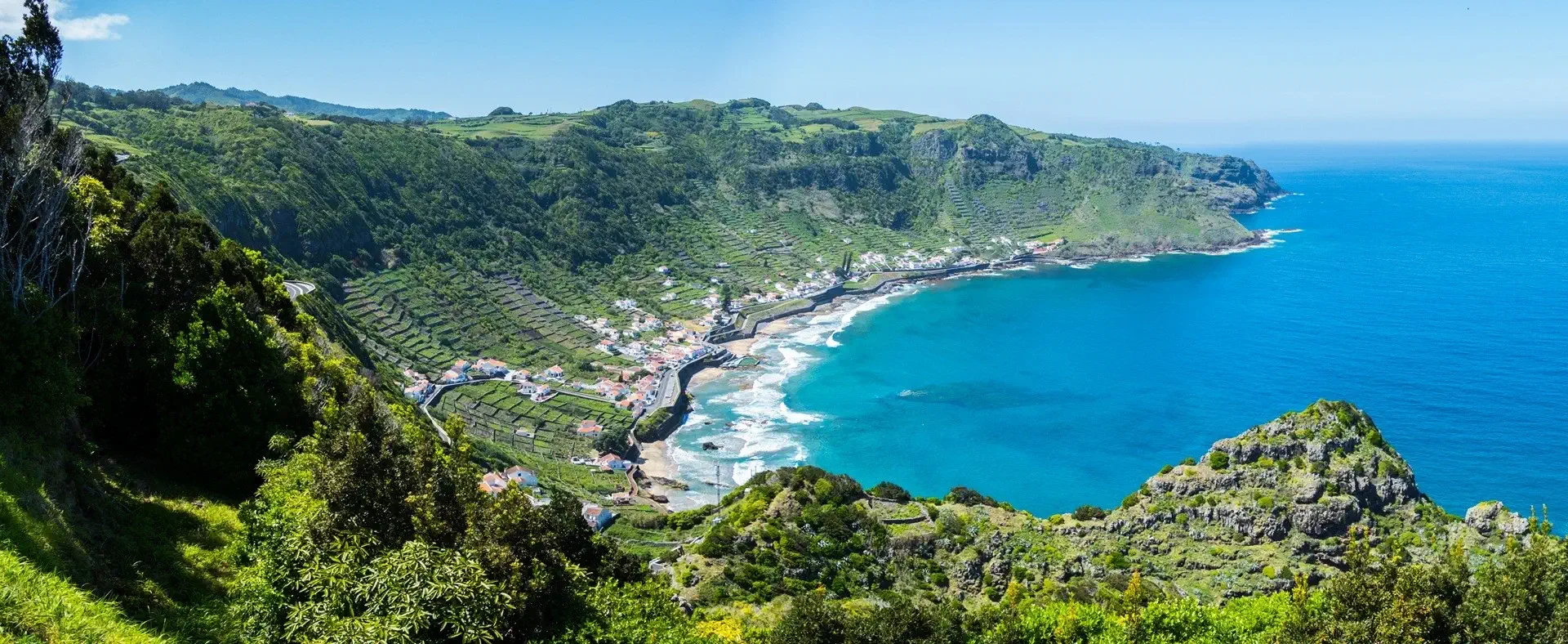
- Sunny high ground that can turn damp and cool within hours on the Azores.
Good experiences aren’t built on fitness alone. What matters is whether the trip matches your own expectations. Someone who wants to walk six to eight hours a day and sees elevation gain as part of the experience will have a very different trip than someone who’s mainly after coastal paths, swimming breaks, and easygoing stages.
Self-guided means: you travel without a fixed group and without a hiking leader. But your route, daily stages, accommodation, and logistics are all planned in advance. GPS navigation and detailed route information provide orientation, while luggage transfer keeps your back free. That creates room for spontaneous decisions — a longer coffee in the village, a detour to a viewpoint, or a pause when the trade wind picks up more than expected.
The Most Common Positive Experiences on the Trail
After their first independent island trip, many hikers report the same feeling above all else: they were genuinely out there, without having to deal with complicated travel logistics. In the morning, the stage starts right at or near the accommodation; in the evening, your own luggage is already waiting at the next hotel, guesthouse, or small country inn.
The quiet is especially valued. On a guided group trip, a shared rhythm usually shapes the day. On a self-guided trip, you set the pace. If you want to stop for photos, you stop. If you set off early, you experience emptier trails. If you want to linger somewhere beautiful, there’s no group to catch up with.
Accommodation also shapes the trip more than it might first appear. After a demanding stage, it makes a real difference whether the room is centrally located, whether a restaurant is within reach, and whether the transfer the next morning runs reliably. Especially on islands with scattered villages and limited public transport, this planning isn’t a minor detail — it’s a genuine gain in comfort.
Freedom Without the Weight of Luggage
Luggage transfer is often only fully appreciated once you’re on the trail. A small daypack is then enough for water, snacks, weather protection, and personal items — just as pleasant on long coastal stages as on steep volcanic terrain.
That said, some preparation is still essential. Anyone walking several days in a row should test their boots and pack beforehand, drink enough water, and not underestimate elevation gain. A light pack doesn’t remove the responsibility of bringing suitable clothing for sun, wind, and the occasional rain shower.
Where Expectations Should Stay Realistic
Self-guided island hikes are ideal for people who genuinely enjoy travelling independently. Anyone who feels uneasy at every fork in the trail, or expects a personal explanation of flora, geology, and history each day, may be better suited to a small guided group instead.
GPS navigation doesn’t replace paying attention to your surroundings, either. A charged battery, offline maps, and a power bank are basic equipment. In remote ravines or along mountain ridges, mobile signal can be limited — good route documentation and clear waypoints matter just as much as the technology itself.
Weather is another factor. Islands are known for sunshine, yet especially in the winter half of the year, higher elevations in the Canary Islands can turn cool. On the Azores, changeable conditions are simply part of the landscape’s character. Wind can make exposed coastal paths more demanding, and after heavy rain, certain sections may not be advisable. A professionally planned trip provides guidance and a point of contact, but it doesn’t take the decision away from you to adapt a stage when conditions turn unfavourable.
Which Island Suits Your Hiking Style?
The choice of island largely determines the experience.
- Canary Islands: a strong choice if you’re after contrasts, elevation gain, and volcanic landscapes. The GR 131 links impressive long-distance sections across several islands. Lanzarote feels wide open, dry, and elemental. La Palma delivers deep ravines, pine forests, and spectacular ridgelines. Tenerife combines mountain scenery around the Teide with the green Anaga range and coastal towns.
- Menorca: a good choice for leisure hikers who like to keep the sea close by. The Camí de Cavalls leads to small coves, along rocky coastline, and through a surprisingly varied island landscape. The stages aren’t uniformly easy, but they’re generally less alpine than the mountainous Canary Islands.
- Mallorca: the Serra de Tramuntana offers classic mountain hiking, historic paths, and a wide range of accommodation. If you’re after a mix of physical challenge and lively villages, there’s plenty here to choose from.
- Azores: appeal especially to travellers who love lush greenery, crater lakes, and a wilder, damper island landscape. Here, it helps to stay relaxed about changeable weather.
There isn’t one single best island for a self-guided hiking trip. What matters most is the season, your fitness, your preferred stage length, and whether you’d rather walk quiet highland trails or follow the coast.
How a Route Becomes a Relaxed Hiking Trip
Good trip planning starts with an honest self-assessment. It’s not the longest daily stage that matters most, but how it feels across several consecutive days. Five hours of walking with many steep descents can be more demanding than seven flat kilometres along the coast. Also factor in arrival and departure, rest days, and possible buffer days for changeable weather.
A carefully designed self-guided trip includes all the small logistical details: accommodation changes, luggage transport, transfers to the starting point or back from the finish, and clear information for each day on the trail. At NATOUR, these building blocks come together into a trip that preserves the character of the island while removing unnecessary friction along the way.
Once there, it’s worth using the first evening to look ahead at the coming stages. Check the weather, water points, and opening hours of small village shops. On sunny routes, start early, especially on shadeless volcanic paths. And don’t plan every moment: an unplanned pause on a rocky coastline or a conversation in a village bar often stays with you longer than a perfectly timed daily schedule.
Who This Concept Is Especially Worth It For
Self-guided island hikes suit experienced hikers just as well as active beginners with a solid base level of fitness, provided the difficulty level and stage profile are chosen appropriately. Couples and friends appreciate the privacy; solo travellers value the clear structure and the security of pre-arranged logistics.
The format is less suitable if you want to decide spontaneously each day which side of the island to sleep on, or if you’d rather not rely on any navigational guidance at all. The freedom of an independent hiking trip comes precisely from the combination of a prepared route and personal flexibility.
Key Facts About Self-Guided Island Hiking Experiences
Before settling on a route, it’s worth reviewing the essentials of self-guided island hiking experiences at a glance:
- Format: self-guided hiking, without a fixed group or hiking leader.
- Popular destinations: Canary Islands, Balearics (Menorca, Mallorca), Azores.
- Included: planned stages, accommodation, GPS navigation, luggage transfer.
- Daily scope: usually 6 to 8 hours of walking, adjustable by island and route.
- Best time to go: possible year-round, depending on island and elevation.
- Suited for: experienced hikers and active beginners with a solid base level of fitness.
Frequently Asked Questions About Self-Guided Island Hiking Experiences
What sets self-guided island hiking experiences apart from a group trip?
On a self-guided hike, there’s no fixed group and no hiking leader. Route, stages, accommodation, and transfers are all planned in advance, while you set your own pace along the way.
Do you need long-distance hiking experience for self-guided island trips?
Not necessarily. The format suits experienced hikers as well as active beginners with a solid base level of fitness, as long as the difficulty and stage length are chosen appropriately.
How reliable is GPS navigation on remote island trails?
GPS navigation and offline maps provide reliable orientation but don’t replace paying attention to your surroundings. In remote ravines or along mountain ridges, mobile signal can be limited, which is why good route documentation remains equally important.
Which island is best suited for a first attempt?
Menorca and Mallorca are considered a good starting point, since the stages tend to be less alpine than in the Canary Islands. If you’re after elevation gain and volcanic landscapes, the Canary Islands or La Palma are a better fit.
What happens in bad weather during the trip?
A professionally planned trip offers guidance and a point of contact, but it doesn’t take the decision away from you to adapt a stage when conditions turn unfavourable. Buffer days and flexible daily planning are therefore part of realistic preparation.
More Than a Stretch Between Two Places to Sleep
For the island of your choice, take time not just to walk, but to arrive. When the route genuinely suits you, self-guided island hiking experiences become more than a stretch between two overnight stops: a day that lingers in memory for its salt air, warm stone, laurel forest, or Atlantic wind.
Further guidance on planning multi-day hikes is also available from the Outdooractive hiking guide.