
25 Jun Best Hiking Islands in Winter – 6 Islands Compared & Tips
Finding the best hiking islands in winter means more than just looking for a warm destination. When mornings are dark, the paths at home are wet and the next gap in the calendar looks more like an escape than a holiday, what matters most is reliable trails, rewarding stages and a landscape that offers more than just good looks.
Sun alone is not enough for a successful winter hiking trip. What counts is how well climate, topography and infrastructure combine. An island can be wonderfully warm in January and still fall short for multi-day tours if the paths are poorly marked or transfers are complicated. Other destinations may look rougher at first glance, but deliver exactly the mix of movement, open space and logistical simplicity that makes an active break so enjoyable.
What makes the best hiking islands in winter stand out
In winter most people are not looking for heat, but for good hiking conditions. Ideal daytime temperatures sit between around 15 and 22 degrees, combined with stable weather patterns, low humidity and enough daylight for relaxed stages. Island size also plays a role. Too small, and the trail network quickly feels limited. Too large, and the most beautiful areas are often far apart.
Truly strong winter destinations offer variety within a small area. Coastal paths, ridge trails, laurel forests, volcanic landscapes or dry-stone walls and ancient connecting routes ensure that even a week or more never feels monotonous. Anyone who enjoys hiking several days in a row quickly notices how valuable a well-structured stage network is — especially when accommodation, luggage transfer and navigation are already neatly prepared.
Canary Islands: the benchmark among the best hiking islands in winter
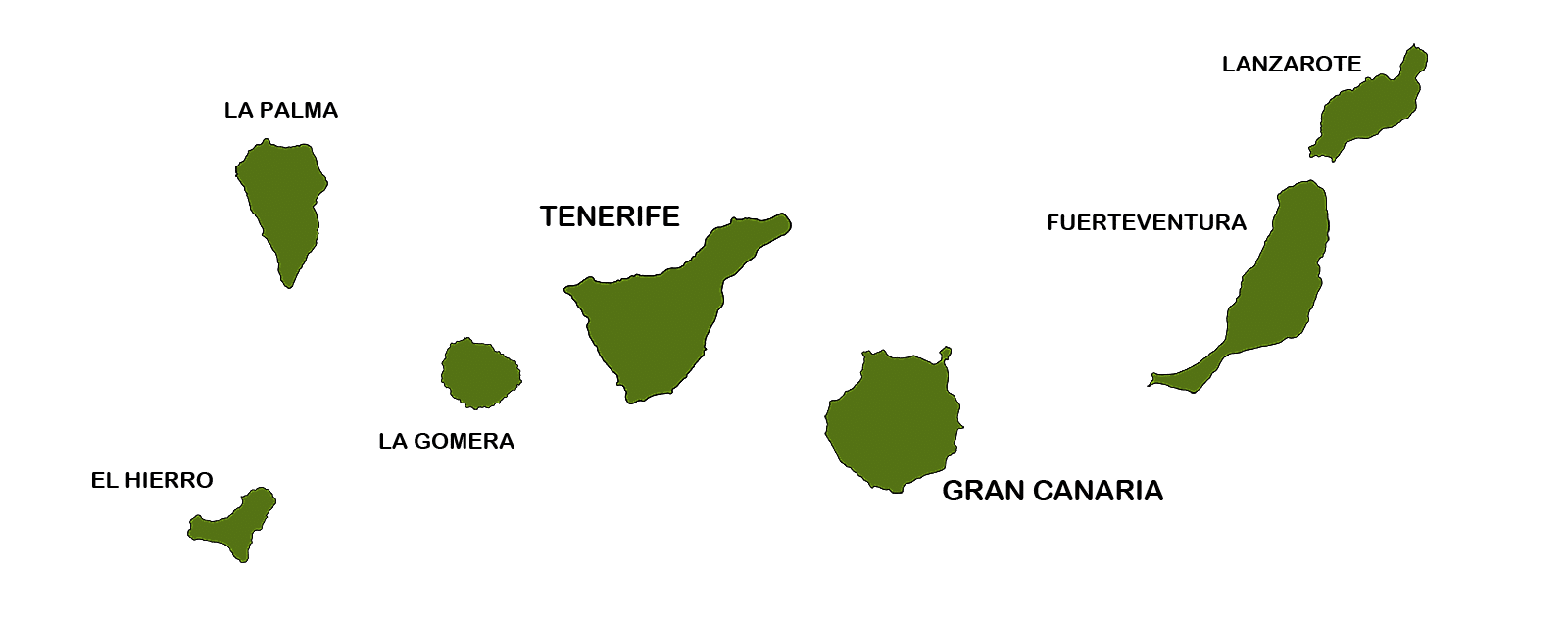
When active travellers ask about the best hiking islands in winter, the Canary Islands almost always come out on top. The reason is simple: they combine mild temperatures with astonishingly varied landscapes. Within just a few hours you move from black lava fields through pine forests to deeply carved barrancos or green cloud zones.
It is worth not treating the Canaries as a single destination. Each island has its own hiking profile. Those who take that into account will find the right trip much more precisely.
La Gomera – one of the best hiking islands in winter for intensive stages
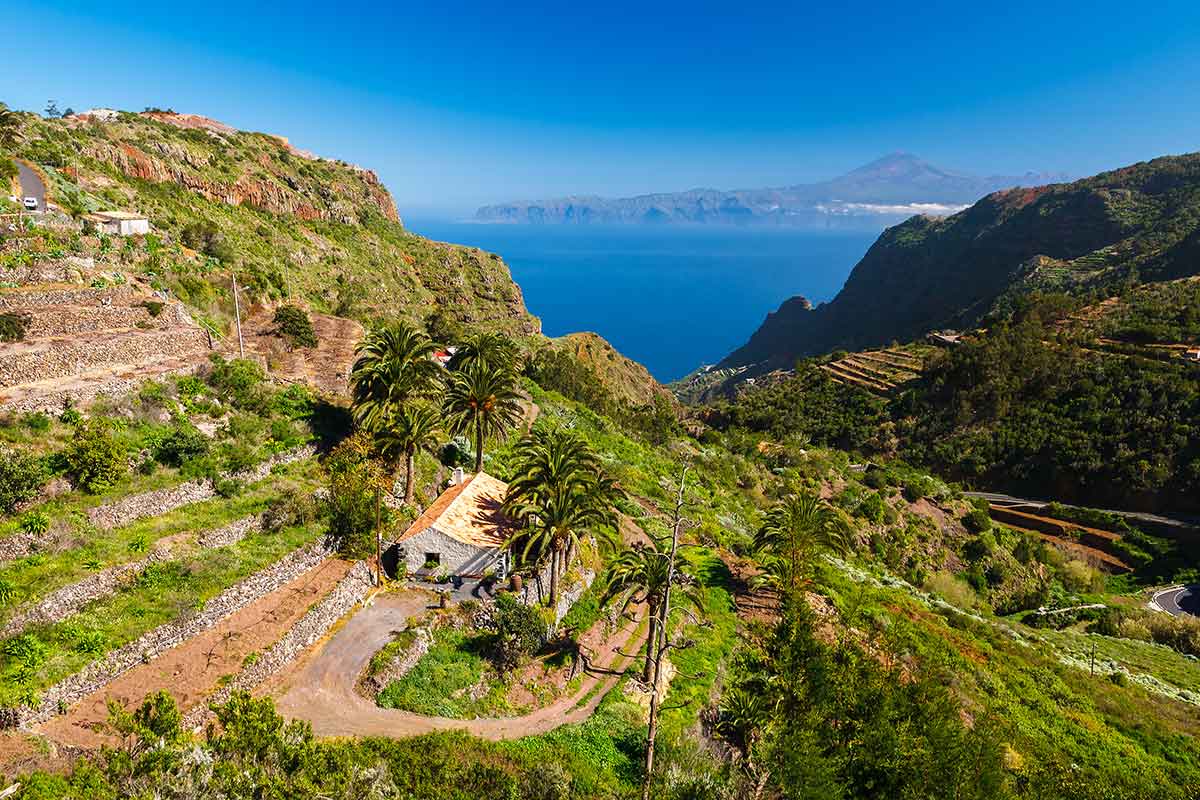
La Gomera is for many the most well-rounded hiking island in winter. The island is compact but not small. The trail network is dense, the landscape changes are enormous and the stages combine very naturally. In the Garajonay National Park you walk through laurel forest and cloud forest; a little later, views open up into deep ravines all the way to the Atlantic.
La Gomera is particularly strong for multi-day tours. Ancient royal paths, long traverses and the island’s striking relief energy create exactly what experienced hikers usually seek: days with real character, genuine movement across the terrain and the feeling at the end of the day that you have covered real ground. Those who appreciate an organised self-guided trip with luggage transport benefit here especially, because the island is small enough for practical logistics yet large enough for varied stages.
La Palma for elevation, far-reaching views and a long-distance feel
La Palma is ideal for those who prefer a more sporty challenge. In winter the island often feels clear, green and powerful, with an impressive mix of volcanic ridges, pine forests and dramatic coastal sections. The GR 131 is one of the most defining routes in the Canaries and conveys exactly that long-distance hiking feeling many people seek on islands.
That said, La Palma is not the first choice for everyone. Temperatures are pleasant, but at higher elevations it can get fresh, and some stages demand fitness and sure-footedness. Those who embrace that will find one of the most impressive winter hiking backdrops in Europe.
Tenerife for contrasts and flexible difficulty levels

Tenerife surprises many who only associate it with beaches and resorts. In fact it offers an enormous range of landscapes. In the Anaga mountains you find green ridges and ancient paths; in the Teno massif, rugged coastal scenery; around El Teide, wide volcanic plains with an almost surreal atmosphere.
Tenerife’s advantage lies in the choice it offers. You find easy to moderate coastal and mountain hikes as well as more demanding stages. It requires a little more planning because the island is large and not every region has the same character. Those looking for variety and weather flexibility will be very well served here.
Gran Canaria for surprisingly varied winter days
Gran Canaria is still underestimated as one of the best hiking islands in winter. Yet the island’s interior, with its rock formations, pine forests and deep valleys, is excellent hiking terrain. The winter months are often pleasantly mild, and the contrasts between the sunny south coast and the mountainous centre are a big part of the appeal.
Gran Canaria is particularly attractive for travellers who enjoy different stage characters. One day you walk along panoramic ridgelines, the next through quiet mountain villages or terraced cultural landscapes. Compared to La Gomera the island feels somewhat more spread out, but it offers a great many variations in difficulty and route design.
Madeira – one of the best hiking islands in winter for green landscapes
Not strictly a beach destination with walking boots, but a genuine hiking destination with an Atlantic climate and real character: Madeira ranks among the best hiking islands in winter. The island stays green, temperatures are usually mild, and the network of levadas, mountain paths and coastal trails creates enormous variety.
Madeira suits travellers who want to combine natural experience with comfort. Many stages are technically manageable, even if some mountain sections require concentration. Within short distances you move from dense greenery to open high ground and rugged sea views. Rain is more of a factor here than on the eastern Canaries — not a reason to rule it out, but a realistic point in the planning.
Mallorca in winter: quieter than most expect
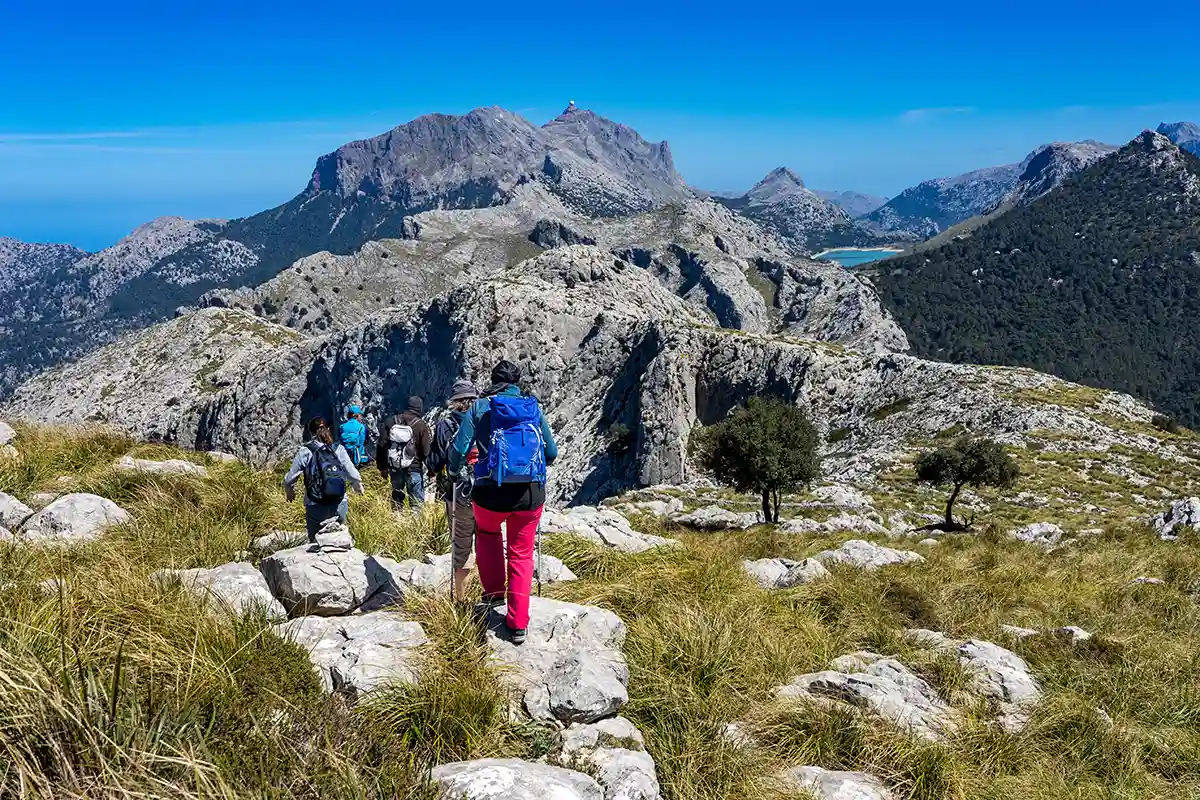
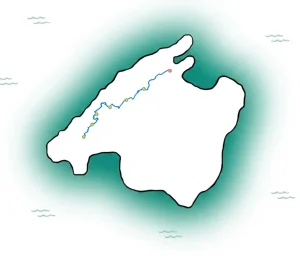
Mallorca is one of the best hiking islands in winter for those who do not want to travel far. The cooler season is ideal for experiencing the Serra de Tramuntana properly. The heat is gone, the paths are much more pleasant to walk, and the island shows its quieter side in many areas.
For stage hikes, Mallorca is particularly interesting if you value historic paths, dry-stone wall landscapes and sea views. The long-distance trail GR 221 is the central argument here. In the depths of winter cooler days and changeable weather are possible, especially at higher elevations. Even so, for many it remains an excellent option when good accessibility matters.
Menorca for gentler winter hiking by the sea
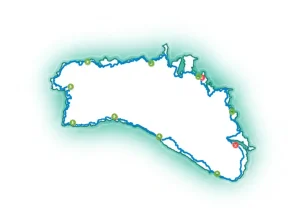
Menorca is Mallorca’s quieter sister and in winter ideal for those who prefer an enjoyable pace over alpine demands. The Cami de Cavalls circles the island on historic coastal paths and offers a rarely matched combination of sea, rock, small coves and open horizon.
Compared to the Canaries the weather is slightly cooler and more changeable. In return you get a very unspoilt atmosphere and a hiking experience driven less by elevation gain than by rhythm, coastal light and the feel of the path itself. Those who enjoy long, manageable stages without needing volcanic mountains will find one of the most convincing winter destinations here.
Which of the best hiking islands in winter suits you?
There is no single best hiking island in winter. It depends on how you want to hike. If you want defined stages with plenty of relief and a genuine long-distance quality, La Gomera and La Palma stand out. If you want maximum variety with flexibility on difficulty and weather, Tenerife is very compelling. For green trails, accessible logistics and a compact natural experience, Madeira is a very safe choice.
Mallorca and Menorca play to their strengths when short flight times, Mediterranean character and culturally shaped landscapes are important. In return you should expect more changeable days than on the sun-blessed Canaries. Gran Canaria sits somewhere in between: versatile, winter-ready and often surprisingly quiet once you leave the coastal towns behind.
What to really look for in the best hiking islands in winter
Not every island suits every travel style. Those who enjoy daily improvisation can manage well even with changeable conditions. Those who want to hike relaxed for a week or more without organisational effort should look more carefully at stage logic, transfer options and accommodation locations. In winter this is especially valuable, because shorter days and local weather shifts make planning more sensitive.
The best hiking islands in winter are those where route and season genuinely match. NATOUR deliberately focuses on regions and routes that work reliably even in the cooler season — with well-coordinated stages, navigation and the comfort of not having to reorganise every evening.
Anyone searching for the best hiking islands in winter should therefore not only ask which island is warmest, but which is most fitting. A trip feels right when weather, trail and daily distance come together — and that is exactly what creates the holiday days you remember for a long time.
Frequently asked questions about the best hiking islands in winter
Which island is the best hiking island in winter for beginners?
For beginners, Menorca with the Cami de Cavalls, La Gomera for compact stages with clear orientation, or the more accessible sections of Gran Canaria are particularly recommended. All three offer good infrastructure, manageable difficulty levels and reliable weather conditions in winter.
When exactly is winter on the best hiking islands and what is the weather like?
The classic winter season for hiking trips runs from November to March. On the Canaries, daytime temperatures at the coast are usually between 16 and 22 degrees, though it can get considerably cooler at higher elevations. Madeira is similarly mild but wetter. Mallorca and Menorca are milder than central Europe but somewhat cooler and more changeable than the Canaries.
Can you hike every day on the best hiking islands in winter?
Yes, on most of the islands mentioned, winter is actually ideal for daily hiking stages. The moderate temperatures and more stable conditions compared to high summer make long tours more enjoyable. The key is to plan stages realistically and build in buffer days for weather, especially on islands like Madeira or Menorca.
Is a tour operator worth it for a winter hiking trip on the best hiking islands?
For many, yes. Especially in winter, when daylight is limited and local weather changes make planning more sensitive, a well-prepared route pays off. Pre-planned stages, luggage transfer and reliable navigation let you focus on the hiking — without having to improvise the next day every evening.
Which of the best hiking islands in winter is easiest to reach?
Mallorca and Menorca are directly and affordably reachable from many German cities. The Canaries also have good direct flight connections, especially to Tenerife and Gran Canaria. Madeira is directly reachable from some airports but the choice is somewhat more limited. La Gomera and La Palma generally require a stopover or a ferry connection.
How many days should a winter hiking trip on one of the best hiking islands last?
At least five to seven hiking days to really experience an island and go beyond single day trips. Those who want stage hiking in the true sense — from place to place, with luggage transfer and changing starting points — should plan for seven to ten days. Shorter stays work best for well-connected destinations like Mallorca where getting there and back is simpler.
 You might also be interested in:
 86,2 km ·
  6 Stages ·
  8 Days