Solo Traveller
In 5, 10 or 12 stages: walk the ◆Rota Vicentina◆ as a “Solo Traveller” | Shared hostels | Optional luggage transfer | ▲▲▲△△
Rota Vicentina ▸Solo Traveller
choose 5 | 10 | 12 stages
Solo Traveller
▸ Depending on the number of stages, includes 6, 11 or 13 nights in hostels with shared rooms or optionally in a private room (subject to availability).
▸ Point-to-point stages, with optional luggage transfers.
Hostel-type Accommodation
 in shared rooms
…or optional private room (subject to avail.)
with optional luggage transfers
stages of 14~21 km per day
from 1 February to 30 November


full route: 187.4 Km
total ascents: 3,978 m
total descents: 3,972 m
Personalised App 
Offline GPS Navigation
Relevant Information
STAGES | ACCOMMODATION:
arrival in Lisbon ↦ transfer to Porto Covo
- transfer on your own with

- 1st night in Porto Covo ▸MUTE hostel Porto Covo (or similar)
Porto Covo ▸ Vila Nova de Milfontes
Vila Nova de Milfontes ▸ Almograve
Almograve ▸ Zambujeira do Mar
Zambujeira do Mar ▸ Odeceixe
Odeceixe ▸ Aljezur
Departure or stage to Praia da Arrifana
transfer on your own to Lisbon or Lagos with
Aljezur ▸ Praia da Arrifana
- walking distance: 16.6 Km
- total ascents: ↗ 300 m
- total descents: ↘ 253 m
- 6th night in Praia da Arrifana ▸ HI Arrifana Destination Hostel (or similar)
Praia da Arrifana ▸ Carrapateira
Carrapateira ▸ Vila do Bispo
Vila do Bispo ▸ Sagres
Sagres ▸ Salema
Departure or stage to Praia da Luz
transfer on your own to Lisbon or Faro with or with or
or 
Salema ▸ Praia da Luz
- walking distance: 9 Km
- total ascents: ↗ 313 m
- total descents: ↘ 265 m
- 12th night in Praia da Luz ▸ Club House CVL (or similar)
Praia da Luz ▸ Lagos
departure day ↦ transfer to Faro or Lisbon
- optional private departure transfer to Faro or Lisbon
- …or transfer on your own with or


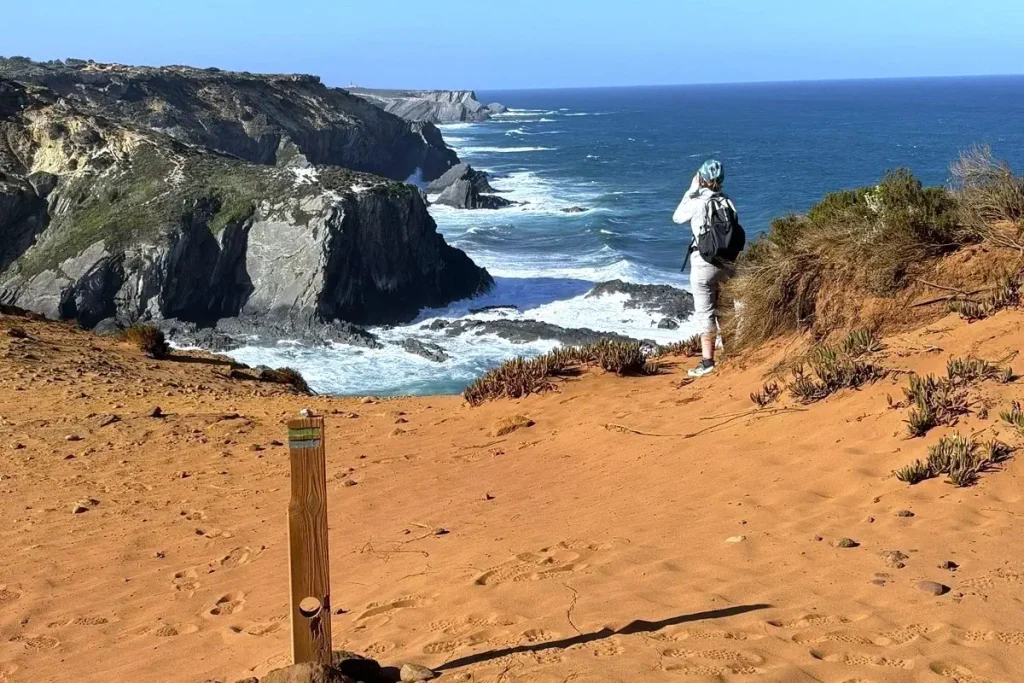


DIFFICULTY LEVEL
This programme is suitable for you if you are in good physical condition; if you can walk up and down steep hills and have no health issues; if you love nature, are respectful of the environment and regularly go hiking.
See more details at:
FREQUENTLY ASKED QUESTIONS
FLEXIBLE PROGRAMME: you can rearrange the stages to add free days in between. We adapt to your preferences.
WARNING: The route along the Trilho dos Pescadores requires good physical fitness and sure footing.
Waymarked trails + GPX directions
luggage transfer from hotel to hotel
point-to-point routes
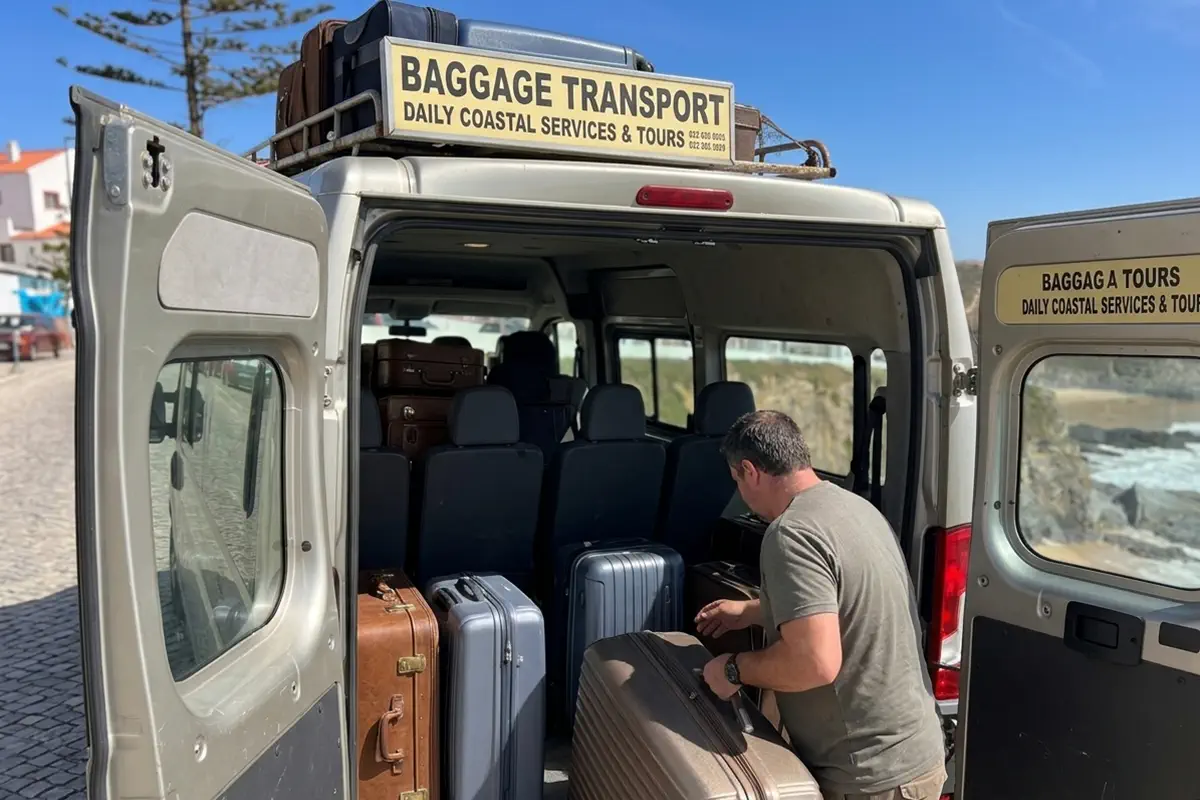
optional luggage transfers
We optionally transfer your luggage from one accommodation to the next so you can walk light
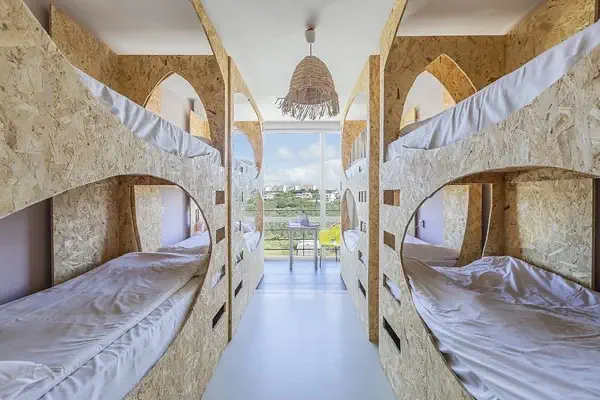
accommodation
small charming hostels where you can share experiences with other independent travellers

stages
5 | 10 | 12 stages of between 14-21 km each, to explore the best of the Trilho dos Pescadores


Other information …
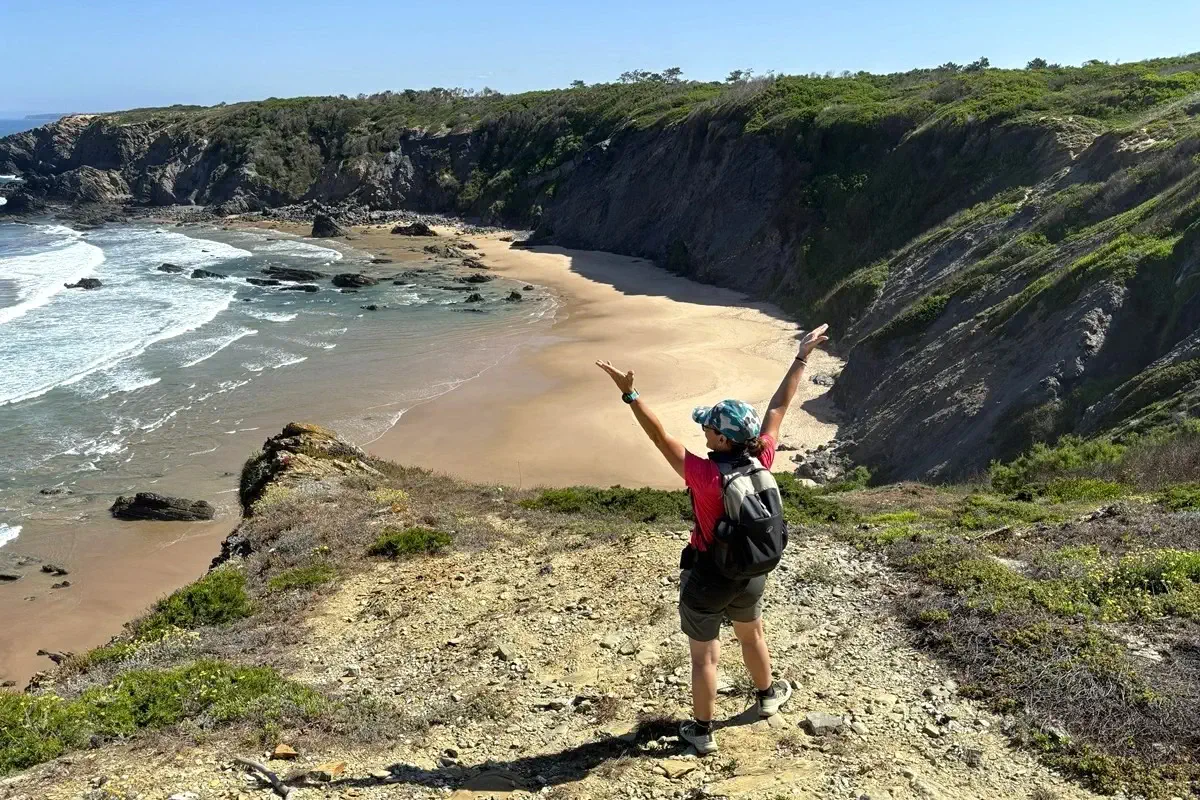
A perfect route for Solo Travellers
Hiking the Rota Vicentina alone is much more than just a hike: it’s an invitation to reconnect with yourself while the Atlantic Ocean sets the pace of your steps. This trail, which winds through cliffs, pine forests, and fishing villages in southwestern Portugal, offers the solo traveler something unique: total freedom to decide when to stop, which beach to explore, or in which village to stay an extra night.
Traveling alone allows you to listen to your own thoughts, adjust your pace to your body’s needs, and experience each landscape without compromises or someone else’s schedule. The Rota Vicentina, with its two routes—the Historic Trail, which heads inland, and the Fishermen’s Trail, which runs along the coast—is perfectly suited for those seeking introspection and self-discovery.
But solitude on this trail is never isolation. Rural hostels, the terraces of small villages, and the shared sections of the trail are natural meeting places. It’s common to run into other hikers of different nationalities, share an impromptu dinner, exchange tips about the route, or simply walk together for a couple of hours before saying goodbye—perhaps to meet again further along the way.
So, those who set out alone end the day surrounded by new, temporary friendships, forged through the simple act of sharing kilometers, blisters, and sunsets. The Rota Vicentina proves that traveling alone doesn’t mean being alone: it means having the freedom to decide with whom, when, and how to share the journey.
Trip highlights:
Rota Vicentina: along the Portuguese coast
Villages and fishing towns with an Atlantic character
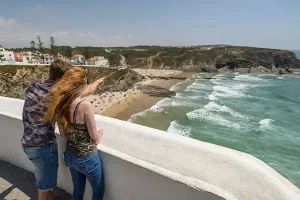
Stunning scenery along a beautiful and unforgettable hiking route
The Rota Vicentina as a Solo Traveller
Walking the Rota Vicentina as a solo traveller is one of the most highly recommended experiences for anyone seeking nature, authenticity and time for themselves. The first advantage for any solo traveller is absolute freedom over the itinerary. A solo traveller can decide each morning whether to walk fifteen or twenty-five kilometres, whether to stop in Carrapateira to photograph the waves or to continue straight on to Bordeira. Nothing depends on prior agreements: the pace is set solely by the solo traveller. Another important advantage is the ease of socialising; paradoxically, a solo traveller usually meets more people than someone who travels with company.
In the small rural guesthouses of Aljezur, Vila do Bispo or Sagres, it is common for a solo traveller to end up sharing a table with hikers from other countries. These spontaneous conversations, typical of the solo traveller experience, generate friendships that sometimes continue after the trip. From an economic standpoint, the Rota Vicentina is particularly friendly for the solo traveller, as many accommodations offer beds in shared rooms or reasonable single rates. The luggage transfer service between stages, available along almost the entire route, allows the solo traveller to walk without unnecessary burdens. For the solo traveller, safety is also a strong point: the trail is well signposted, the villages are nearby and there are always other walkers on the route.
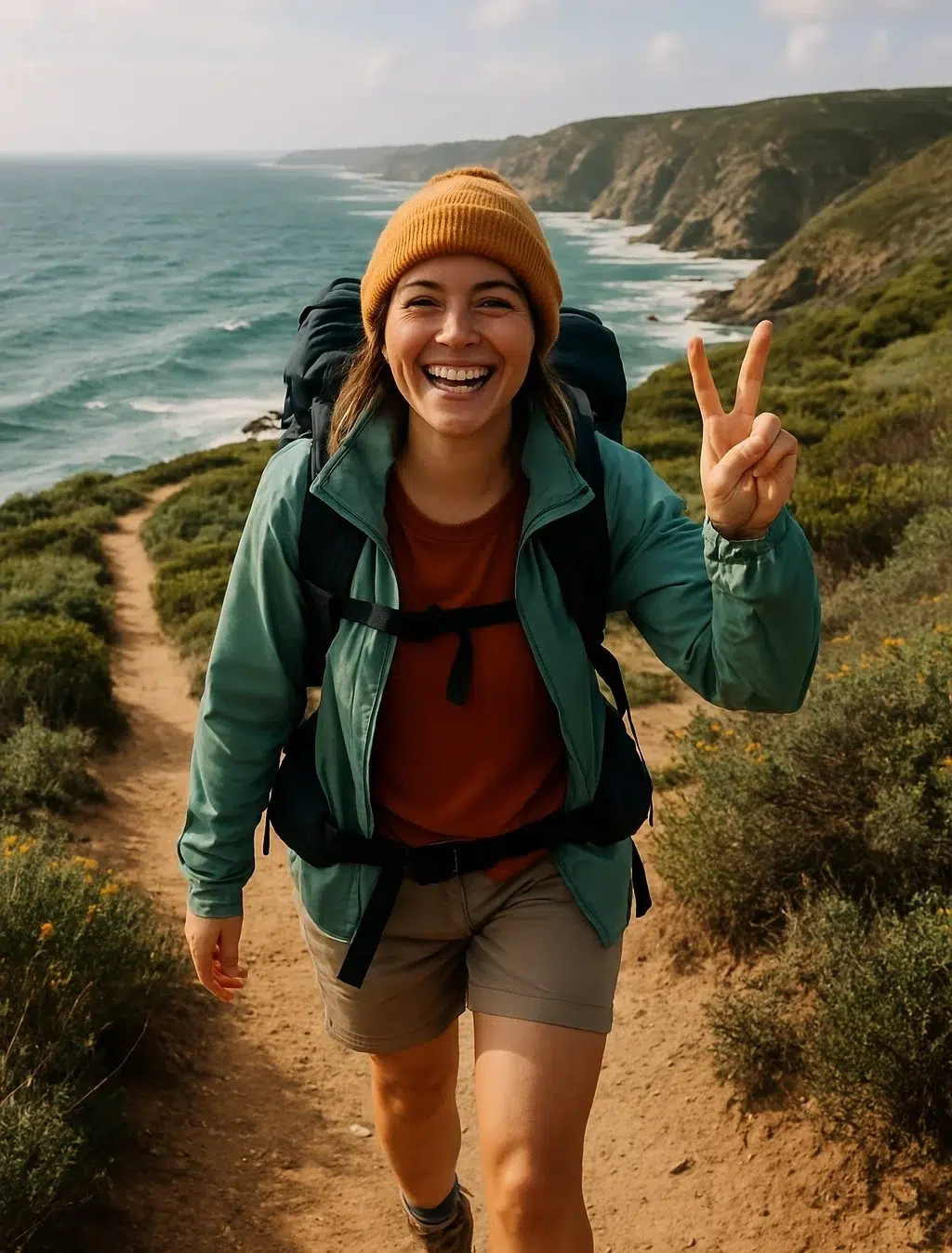 Beyond the practical aspects, travelling as a solo traveller through the cliffs of south-west Alentejo and the Algarve offers moments of introspection that are hard to find in any other context. The silence between Zambujeira do Mar and Odeceixe, or the views from Ponta Ruiva, are experienced differently when a solo traveller walks them without rush or distraction. Many solo travellers describe these stages as a form of walking meditation, where the wind, the sea and their own footsteps are the only company.
This connection with the landscape tends to be more intense for the solo traveller, who does not need to divide their attention between the surroundings and conversation. Furthermore, being a solo traveller means paying closer attention to signposts, bus timetables for the return journey or weather forecasts, which turns each day into a small planning exercise.
That autonomy builds confidence: every problem solved by a solo traveller — whether finding last-minute accommodation or rearranging a stage due to wind — adds to a sense of personal capability. Arriving in Lagos after several days of walking is, for any solo traveller, a small goal achieved. The Rota Vicentina, with its fishing villages, hidden beaches and clifftop stretches, offers the solo traveller landscapes that are worth every step of the effort. In short, travelling as a solo traveller along this route combines freedom, human connection, introspection and self-sufficiency in equal measure. For all these reasons, more and more people choose the Rota Vicentina knowing that being a solo traveller is not a limitation, but a different and deeply rewarding way to discover south-west Portugal.
Similar proposals in other destinations


Request a quote
Not exactly what you’re looking for?
We adapt to your preferences Tell us how you want it and we’ll create a tailor-made plan for you.

We will get back to you as soon as possible.

…frequently asked questions
What level of fitness do I need to complete these 10 stages?
A medium-to-high level of fitness is required. You will be walking between 15-25 km per day for 10 consecutive days, with moderate elevation changes. It is advisable to have previously completed hikes of at least 4-5 hours and to be accustomed to walking several days in a row.
What is the best time of year to do this route?
Spring (March to May) and autumn (September to November) are ideal, with mild temperatures between 15-25°C and flowering landscapes in spring. Avoid July-August due to extreme heat (which can exceed 35°C) and overcrowding. Winter is feasible but comes with more rain and wind. In December and January there is insufficient accommodation available, making this route practically unviable due to the lack of adequate infrastructure.
What does a typical self-guided travel package include?
It usually includes: accommodation with breakfast for 10 nights, luggage transfer between stages, access to the GPS navigation app with downloadable maps, route information materials, 24/7 emergency telephone assistance and, sometimes, a welcome pack with physical maps.
How exactly does the luggage transfer service work?
Each morning you leave your luggage at the accommodation before setting off (normally before 9:00-9:30 am). The transfer company collects it and takes it to your next accommodation, where it will be waiting for you when you arrive in the afternoon. You only need to carry a small daypack with the essentials. It is important to label your luggage with your name to avoid mix-ups. We provide label tags that you will find available upon arrival at your first accommodation.
What is the maximum weight my luggage can be for the transfer?
Generally the limit is 15-20 kg per bag. It is recommended to use a wheeled suitcase or a medium-sized travel backpack.
Is it easy to get lost on the route? Is it well signposted?
The Rota Vicentina is reasonably well marked with blue and green signs (depending on the trail), but some sections may have sparse signposting. The GPS app is essential for these cases, as it shows your exact position in real time and alerts you if you go off track.
Do I need prior experience with GPS navigation apps?
No, the NATOUR app is very intuitive. Before starting your route, spend 30 minutes familiarising yourself with the application: how to download offline maps, how to follow the track, how to activate deviation alerts. We include video tutorials.
What happens if I have no mobile signal during the walk?
The app works with GPS, which does not require an internet connection once the maps have been downloaded. However, in some remote areas of Alentejo there may be poor mobile coverage. Always carry a paper map as a backup and an external battery for your phone.
What type of accommodation will I have during the route?
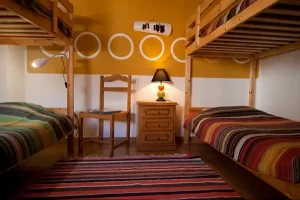
Our initial offering for this itinerary is based on hostels with shared rooms and bathrooms. However, most of these accommodations also have single rooms for private use, alongside the shared rooms. If you would prefer these, we can check availability and offer them to you at an additional cost.
What type of footwear and foot equipment is most suitable?
Using hiking gaiters will prevent the fine sand from dunes getting inside your shoes. It is also important to avoid fabric trainers with porous mesh, as despite using gaiters, sand could still penetrate through the pores of the material.
Are meals included in addition to breakfast?
We do not include any meals in this proposal. You will need to arrange your own breakfasts, lunches (often a picnic you prepare in the morning) and dinners. Many villages have restaurants serving local Portuguese cuisine, although some stretches pass through areas with limited options.
Are there shops or restaurants along the way to buy food?
Not always. Some stages pass through rural areas with no services for 15-20 km. It is essential to set off each morning with plenty of water (1.5-2 litres) and enough food for the day: nuts, sandwiches, fruit, energy bars.
Do I need trekking poles?
They are not essential but are highly recommended. They help distribute the effort, reduce the load on knees and ankles on descents, and provide stability on uneven or sandy terrain. Particularly useful if you are carrying any extra weight or have joint problems.
Is there the option to shorten stages if I feel tired or have problems?
Yes, in most cases. You can contact our assistance service and we will arrange a transfer to the next point. There are also intermediate villages where you could request a taxi. It is important to carry some cash for these emergencies.
Is it safe to walk alone on this route?
Yes, Portugal is a very safe country. However, on isolated stretches along cliffs or remote areas it is preferable to walk with someone or at least let someone know your daily route. The main risks are falls, sprains or sunstroke, not personal safety issues.
How do I get to Porto Covo to start and how do I return from Salema?
Getting to Porto Covo:
- 1. Fly to Lisbon
- 2. Taxi from the airport to Sete Rios bus station (Lisbon)
- 3. Rede Expresso bus to Sines (3h) and from there to Porto Covo (20 min).
Return from Salema
- 1. Vamus bus to Lagos or Faro
- 2. Rede Expresso bus to Lisbon or Faro
We can also offer private transfers to or from Lisbon or Faro airports, which greatly simplifies the logistics. However, private transfers are considerably more expensive. Please contact us for information.
What options do I have if I want to walk with company but am travelling alone?
Apps such as GAFFL make it easy to connect with other independent hikers. There are also forums and Facebook groups dedicated to the Rota Vicentina where solo travellers look for walking companions to share costs and experiences. Accommodations usually have single or shared rooms depending on your preference. Sharing the trip with another person has many advantages:
- Financial savings: Travelling as a couple or with friends significantly reduces the total cost, as double rooms have a better per-person rate and you can share expenses such as taxis or transfers.
- Reduced ecological impact: Each additional traveller sharing services lowers the carbon footprint of the trip, making your adventure more respectful of the natural environment.
- Personal enrichment: Living this experience with company multiplies the memorable moments, allows you to exchange impressions of the landscape and creates special bonds in a unique setting.
When and how will I receive the details of my itinerary?
Two weeks before the start date, after the final payment has been made, you will receive by email the app instructions, your personal access codes, booking confirmations and equipment advice. When you check in on your first night, the accommodation will provide you with a kit containing a paper map and the labels needed to identify your luggage during the transfers.
What exactly is included when I book this trip with NATOUR?
NATOUR builds your trip around three essential services that allow you to walk with complete confidence:
- Complete logistics: confirmed bookings at the accommodation for each stage; daily luggage transport between different accommodations; passenger transfers when necessary.
- Technology at your fingertips: our own app with downloadable maps, GPS that works offline and descriptions of relevant points along your route.
- Ongoing support: assistance line available 24 hours a day, 7 days a week, for any query or emergency.
-
Destination
Our gallery
Pictures from the stages


Day 1
Arrival in Lisbon
Optional private transfer to Porto Covo, or travel on your own by bus (Lisbon Sete Rios).
 MUTE Hostel Porto Covo (...or similar - Porto Covo)
Day 2
Stage 1: Porto Covo ▸ Vila Nova de Milfontes
We begin our first stage in Porto Covo. Today we will pass countless beaches, making our way through small coves and along clifftops stretching out along the route.
 19.2 km | ↗ 163 m | ↘ 164 m
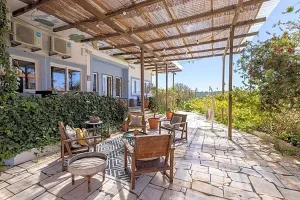
MUTE Hostel Milfontes (...or similar - Vila Nova de Milfontes)
Day 3
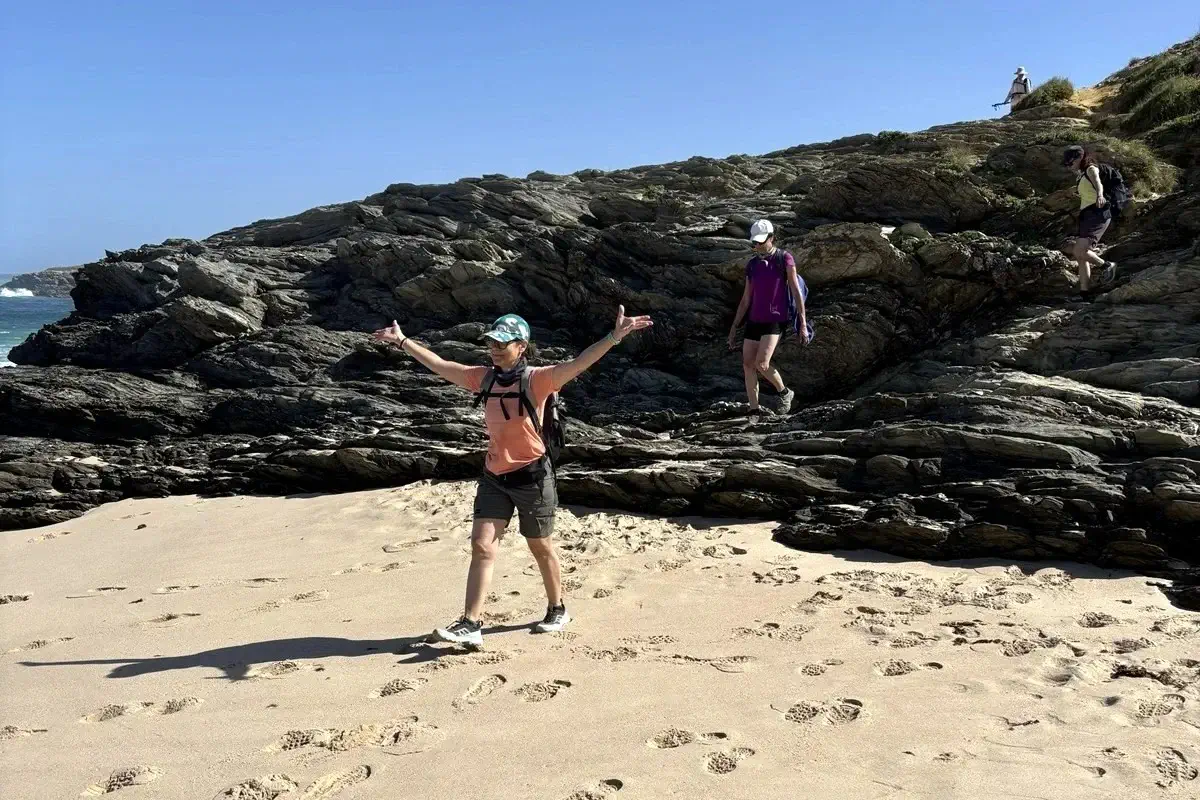 Stage 2: Vila Nova de Milfontes ▸ Almograve
Today's stage will be a little more relaxed. We start directly at the ferry jetty and cross the Mira river (€5 per person). On the other side of the river, we first walk through some fields and meadows before reaching the sea again, continuing our path parallel to the coast.
 15.1 km | ↗ 162 m | ↘ 161 m
Almograve Beach Hostel (...or similar - Almograve)
15.1 km | ↗ 162 m | ↘ 161 m
Almograve Beach Hostel (...or similar - Almograve)
Day 4
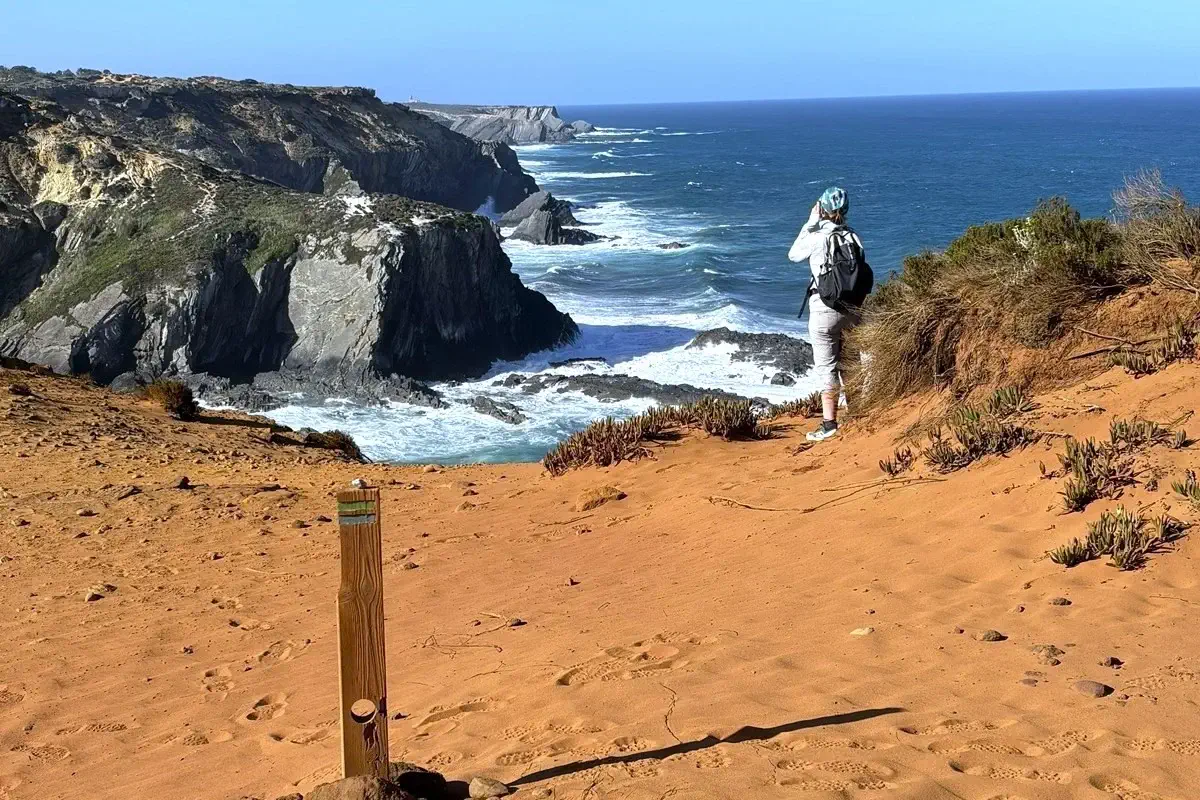 Stage 3: Almograve ▸ Zambujeira do Mar
Today's stage once again treats us to magnificent views. A beautiful dune landscape awaits, and we may even have the chance to spot some stork nests on the cliffs and high rocky outcrops. Leaving Almograve, we first circle around the village and then head towards the sea and south, following the coastline.
18.8 km | ↗ 198 m | ↘ 197 m
Hakuna Matata Hostel (...or similar - Zambujeira do Mar)
Day 5
 Stage 4: Zambujeira do Mar ▸ Odeceixe
Today's stage takes us to Odeceixe along a wonderfully scenic route leading down to Odeceixe beach. We pass through some stunning coves, cross a dune landscape, a small forest, wooden boardwalks beside the sea and an animal enclosure.
21.5 km | ↗ 338 m | ↘ 336 m
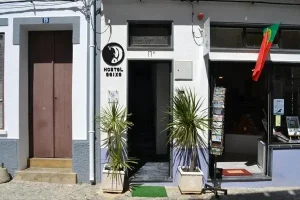
Hostel Seixe (...or similar - Odeceixe)
Day 6
 Stage 5: Odeceixe ▸ Aljezur
Today's stage already takes us into the Algarve. We begin in this charming village and first follow the course of the Seixe river down to the coast, where we turn south.
19.6 km | ↗ 226 m | ↘ 236 m
Amazigh Hostel & Suites (...or similar - Aljezur)
Day 7
 ... or Stage 6: Aljezur ▸ Praia da Arrifana
The next stage of the Trilho dos Pescadores crosses the historic centre of Aljezur, descending into the agricultural valley where small vegetable plots follow one after another until reaching the coastal area.
16.6 km | ↗ 300 m | ↘ 253 m
HI Arrifana Destination Hostel (...or similar - Praia da Arrifana)
Day 8
Stage 7: Praia da Arrifana ▸ Carrapateira
On today's stage, the cliffs reach heights of up to 100 metres. We set off from the village and walk inland through a richly varied vegetation. The path crosses fertile valleys where all kinds of vegetables were once cultivated, fertilised with seaweed gathered from the ocean.
19.6 km | ↗ 273 m | ↘ 319 m
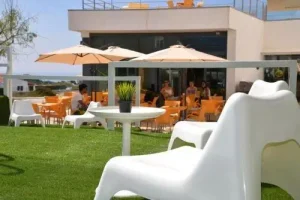
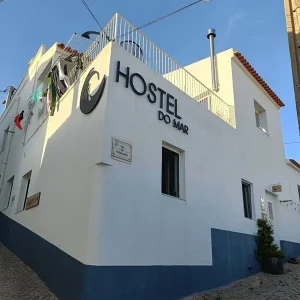
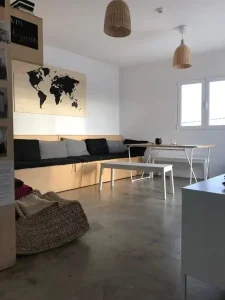
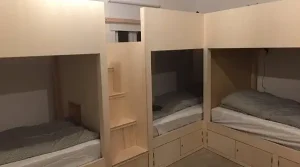
Hostel do Mar (...or similar - Carrapateira)
Day 9
 Stage 8: Carrapateira ▸ Vila do Bispo
Today's stage offers breathtaking perspectives and spectacular rock formations alongside secluded beaches of pristine sand — a journey through a true jewel of Atlantic nature.
17.2 km | ↗ 363 m | ↘ 293 m
Good Feeling Hostel & Guest House (...or similar - Vila do Bispo)
Day 10
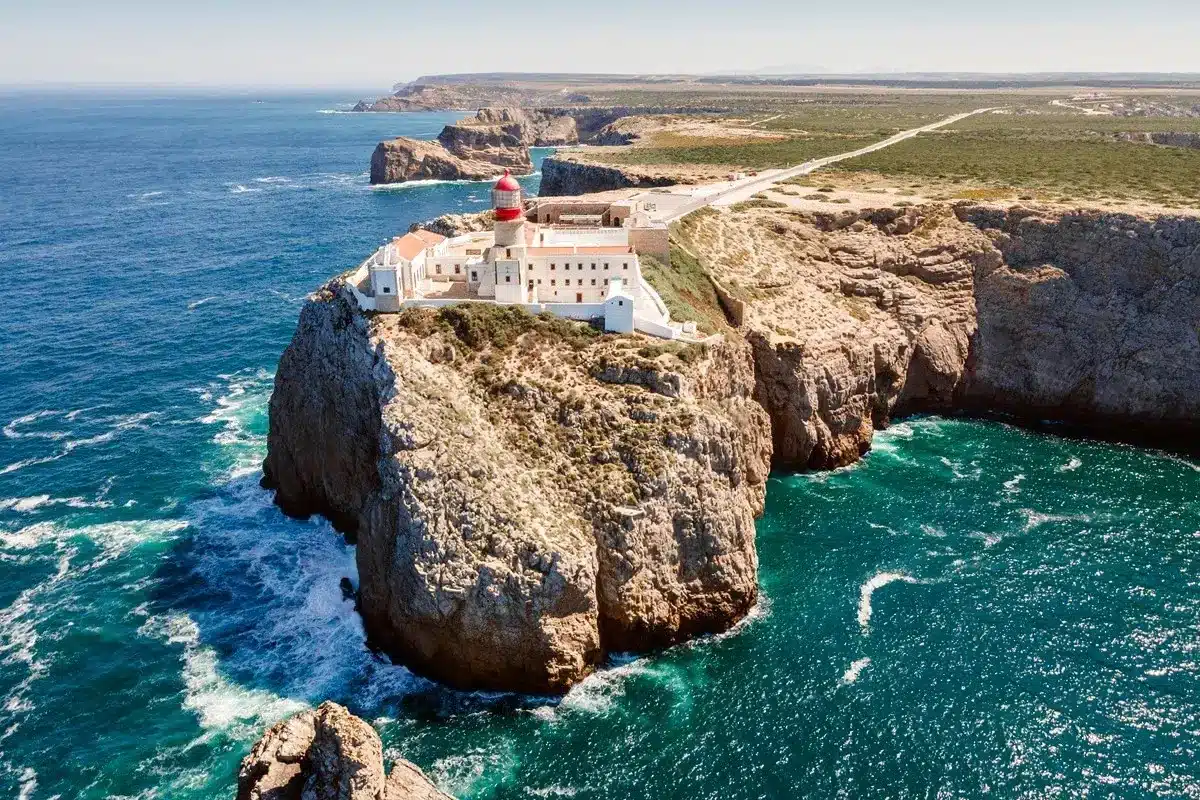 Stage 9: Vila do Bispo ▸ Sagres
On today's route we head towards Sagres, back to the coast and onwards to Cabo de São Vicente, the south-westernmost point of Europe. We first pass by the Torre de Aspa and, a little further on, reach the Ponta do Telheiro headland and the beach of the same name.
20.6 km | ↗ 213 m | ↘ 272 m
The Lighthouse Hostel (...or similar - Sagres)
Day 11
 Stage 10: Sagres ▸ Salema
This stage follows the coast with its ups and downs, passing impressive limestone cliffs with unique formations, and ends in Salema, a fishing village that takes its name from a tasty local fish found in these waters: the salema.
19.4 km | ↗ 339 m | ↘ 362 m
Salema Eco Camp (...or similar - Salema)
Day 12
or
...or Stage 11: Salema ▸ Praia da Luz
Today's route connects the small fishing village of Salema with Praia da Luz, covering around 9 km along the Algarve coast. A gentle stage that runs within the Southwest Alentejo and Vicentine Coast Natural Park, with stretches of cliffs, dunes and spectacular views over the Atlantic.
9 km | ↗ 313 m | ↘ 265 m
Day 13
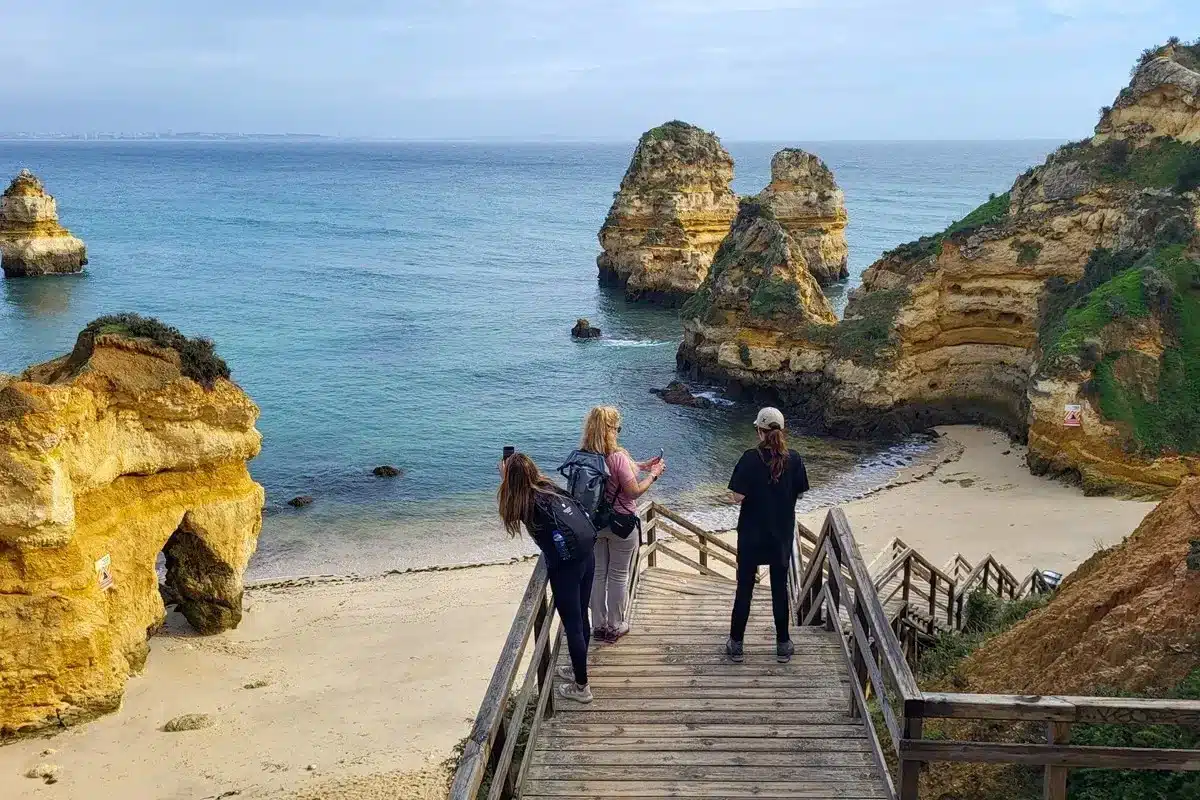 Stage 12: Praia da Luz ▸ Lagos
The final stage of the Trilho dos Pescadores takes you to Lagos. A route that climbs the cliffs of Praia da Luz, offering views towards Porto de Mós and beaches such as Canavial, Dona Ana and Camilo.
13.4 km | ↗ 223 m | ↘ 261 m
Day 14
Departure
Optional private transfer with or travel on your own by bus to Faro airport, or transfer to Lisbon with . TOUR LOCATION
Explore the best of the Trihlo dos Pescadores in 10 stages (12 days)

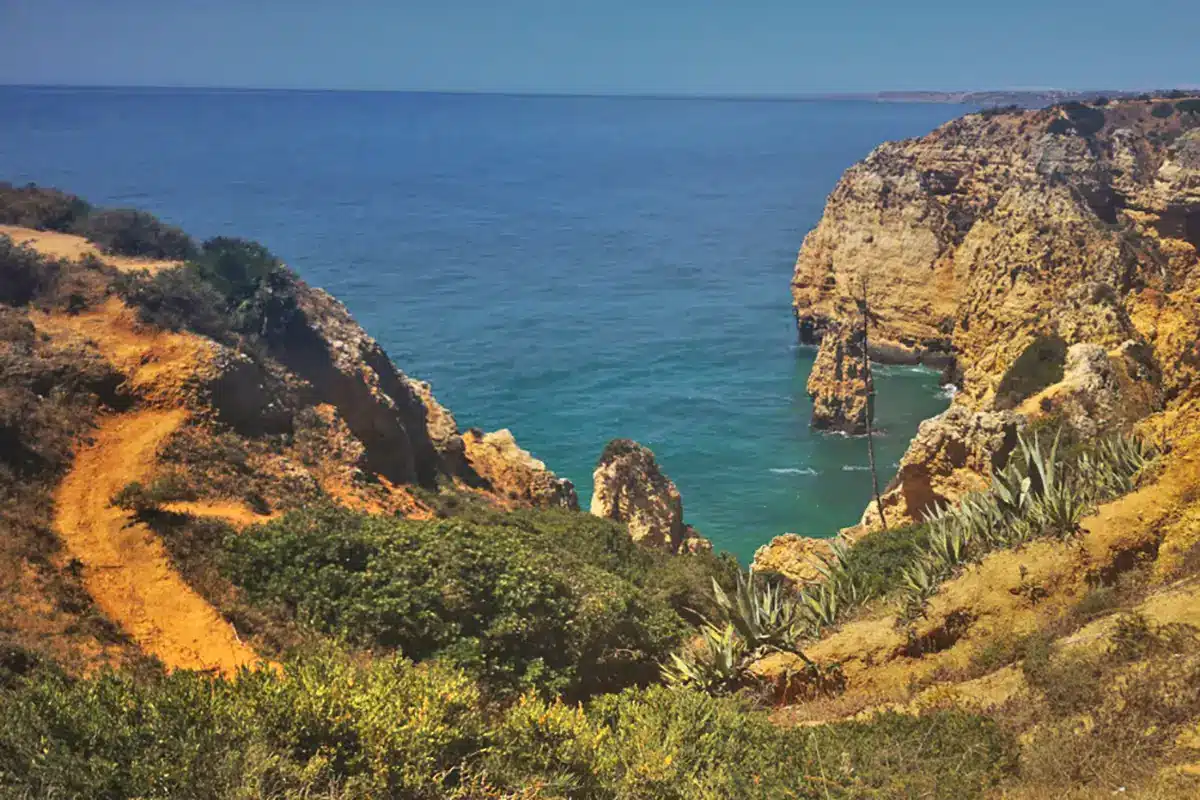
ACCOMMODATION - Subject to availability:
PORTO COVO ▸ MUTE Hostel Covo (or similar)
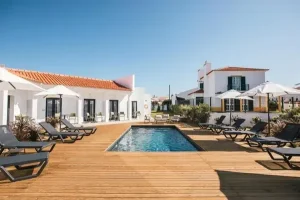
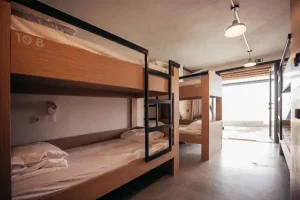
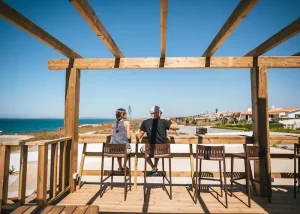
VILA NOVA DE MILFONTES ▸ MUTE Hostel Milfontes (or similar)
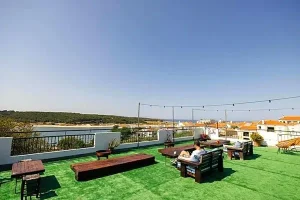
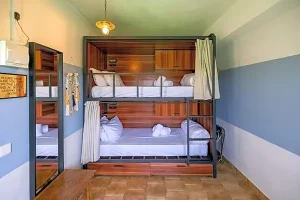
ALMOGRAVE ▸ Almograve Beach Hostel (or similar)
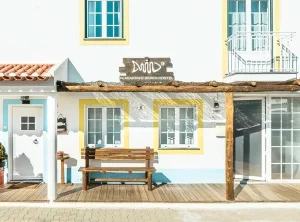
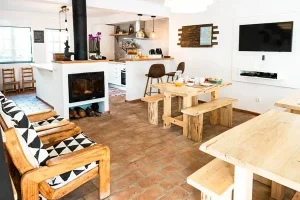
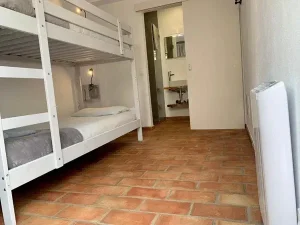
ZAMBUJEIRA DO MAR ▸ Hakuna Matata Hostel (or similar)
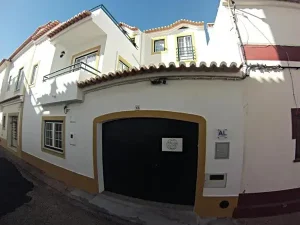
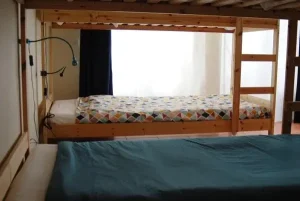
ODECEIXE ▸ Hostel Seixe (or similar)
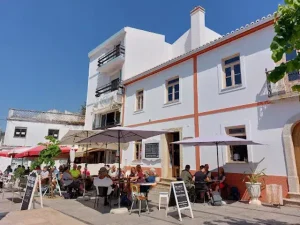
ALJEZUR ▸ Amazigh Hostel & Suites (or similar)
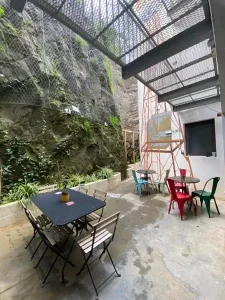
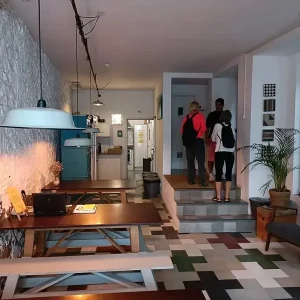
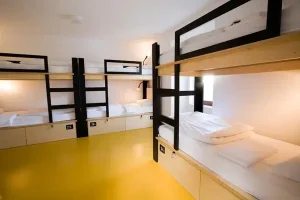
PRAIA DA ARRIFANA ▸ HI Arrifana Destination Hostel (or similar)
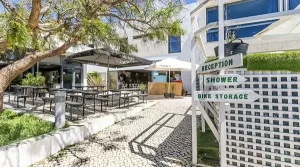
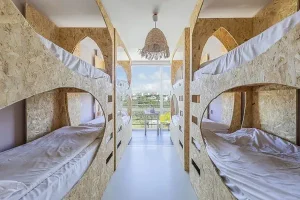
CARRAPATEIRA ▸ Hostel do Mar (or similar)
VILA DO BISPO ▸ Good Feeling Hostel & Guest House (or similar)
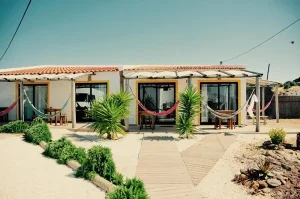
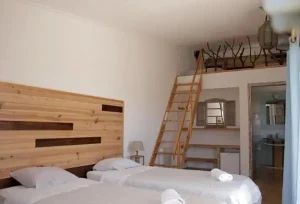
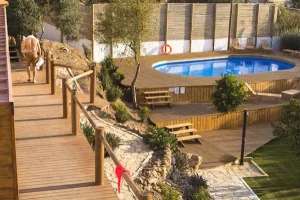
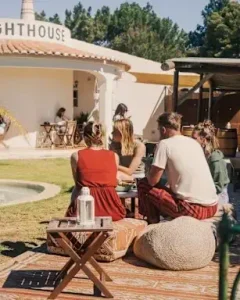
SAGRES ▸ The Lighthouse Hostel (or similar)
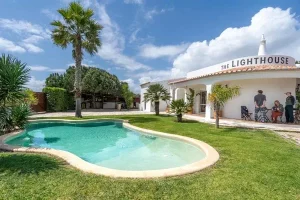
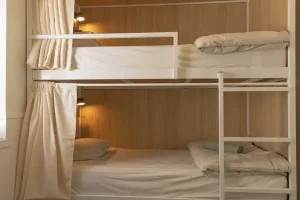
SALEMA ▸ Salema Eco Camp (or similar)
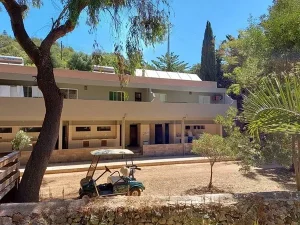
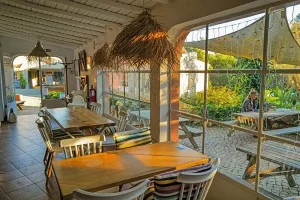
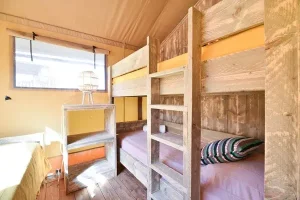
PRAIA DA LUZ ▸ Club House Praia CVL (or similar)
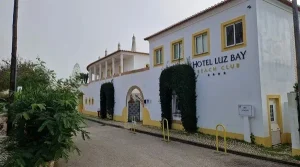
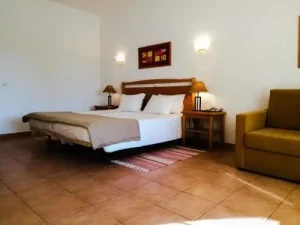
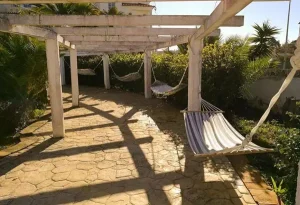
LAGOS ▸ Hotel Mar Azul (or similar)
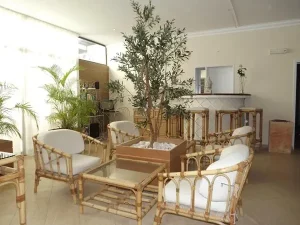
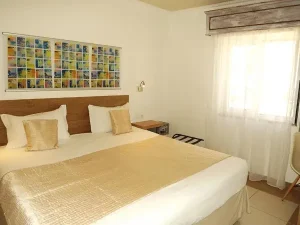
Private or shared rooms
Most hostels also offer single rooms for private use alongside shared rooms. If you would prefer these, we can check availability and offer them to you at an additional cost.
Additional nights
It is also possible to book additional nights before or after the hiking week, or an extra week for relaxation.
Difficulty level
To successfully complete the 5 | 10 or 12 stages of the Trilho dos Pescadores, adequate physical fitness is required. Depending on the time of year, temperatures can be extreme (hot and/or cold). It is therefore essential to always have appropriate warm clothing that can be removed in layers as needed. The use of trekking poles is highly recommended.
Trails
The Rota Vicentina is a certified trail network conforming to European standards.
We recommend
Suitable hiking clothing and sturdy footwear. During the routes, it is essential to carry food and sufficient water, as well as sun protection, a hat, a light windbreaker, and in the winter months, warm clothing.
Luggage transfer
We optionally transfer your luggage from one accommodation to the next, so during the routes you only need to carry a daypack with the essentials. For the entire trip, the most practical option is a single suitcase weighing no more than 18 kg.
You can book for any date!
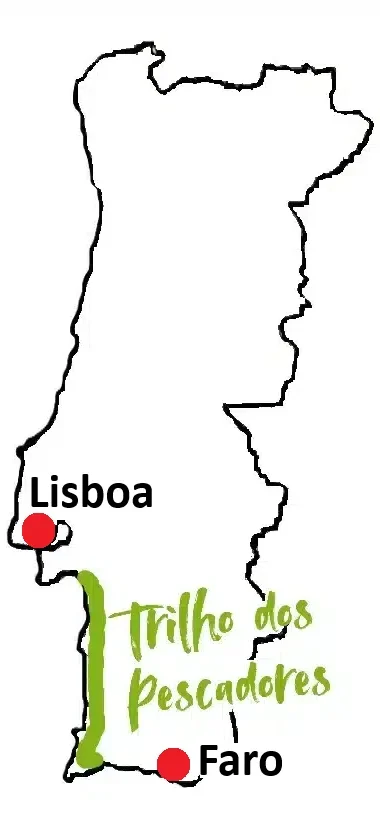
FLY TO LISBON
...RETURN FROM FARO

Other options worth considering
The Portuguese airline TAP also connects MADRID, BARCELONA and other Spanish cities with LISBON or FARO. It is worth comparing prices and exploring all the possibilities 😉

FLY TO LISBON
...RETURN FROM FARO
Other options worth considering
The Portuguese airline TAP also connects MADRID, BARCELONA and other Spanish cities with LISBON or FARO. It is worth comparing prices and exploring all the possibilities 😉
...or search directly with the airlines


Alberto
Head of organisation
Book early!! ...and get a 6% discount for travel bookings made between 15 September and 15 June with at least 90 days in advance.

(NOT bookable between December and January)
PRICE 7 days: Porto Covo ▸ Aljezur
Solo Traveller (1 traveller only): 613 € ▸ 578 €
◆ optional luggage transfer
 - 5 stages ... 80 €
(up to 2 pieces of luggage – maximum 18 kg per piece)
PRICES 12 days: Porto Covo ▸ Salema
Solo Traveller (1 traveller only): 840 € ▸ 792 €
◆ optional luggage transfer
- 10 stages ... 150 €
(up to 2 pieces of luggage – maximum 18 kg per piece)
PRICES 14 days: Porto Covo ▸ Lagos
Solo Traveller (1 traveller only): 998 € ▸ 942 €
◆ optional luggage transfer
- 12 stages ... 170 €
(up to 2 pieces of luggage – maximum 18 kg per piece)
 High Tourist Season does not only mean high temperatures, crowds everywhere and expensive flights. Accommodation prices also increase substantially. For this reason, during this time of year we cannot offer early booking discounts and the total package price may be higher than indicated. In Portugal, the high tourist season runs from 1 June to 30 September.
 Bookings: Make a deposit payment of 150 (per person) now to secure your booking and pay the remainder 21 days before your arrival date. We will confirm your booking within 24 hours. In the unlikely event that accommodation is unavailable, we will refund the amount paid or propose alternative dates.
What does this package include?
Accommodation - 6, 11 or 13 nights in carefully selected hostel-type accommodations, in shared rooms.
 Information - personalised information by video call (if desired), on the day of arrival
 Stage descriptions and GPX Tracks - link with stage descriptions and GPS positioning for each stage to follow on your mobile device
 24h assistance and support - we remain in permanent contact throughout your trip to resolve any query or issue

What is NOT included?
▸Arrival and departure flights from your place of origin to Portugal
▸Transfer to the starting point on arrival day and transfer to the departure airport on the last day: see bus timetables at and at or private transfer with
▸Breakfasts, lunches and dinners
▸Luggage transfers
Cancellation Policy
call us on 922 433 001 or write to us