25 Sep How to Shorten Hiking Stages: The Complete Guide
A steep coastal path, unexpected heat, or simply wanting to linger longer in a beautiful spot: the question of whether you can shorten hiking stages comes up on multi-day walking holidays more often than most people expect. The short answer is usually yes. What matters is whether the route, accommodation, luggage transfer and transport all fit together so that an adjustment does not turn into a logistical headache.
On self-guided walking holidays, not every day has to go exactly to plan. Especially on islands, along coastlines or on long-distance trails, weather, terrain and how you feel on the day can change even the best-laid plans. Knowing your options in advance keeps you relaxed and lets you keep enjoying the trip.
Can I Shorten Hiking Stages? It Depends on the Route

A stage cannot always be halved wherever you like. Many trails pass through sparsely populated areas where there is no accommodation between two overnight stops. Public buses, depending on the region, may run rarely, only on weekdays, or at times that do not suit hikers. On a coastal route the next village might look close on the map, yet a ridge or a ravine can make the direct path impossible.
It is usually easy to shorten hiking stages when a reliable pick-up point can be reached along the way, or when a transfer between the start and end of the day can be arranged. This is especially useful when the final kilometres are unremarkable, a long descent is hard on the knees, or the afternoon sun takes a lot out of you. A taxi or a pre-arranged transfer does not replace the hiking experience; it simply makes room for the most scenic part of the route.
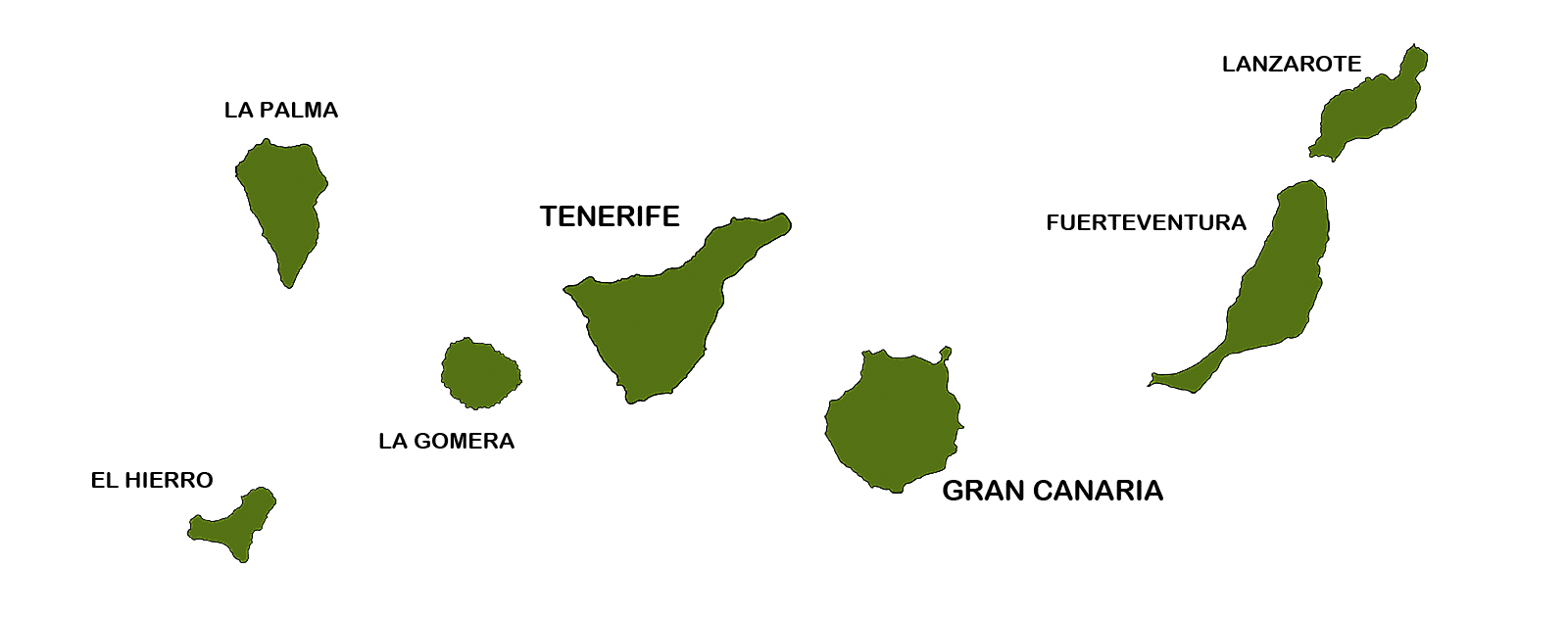
On NATOUR trips to the Canary Islands, routes, accommodation and luggage movements are coordinated from the outset. That is why it is worth raising a request to shorten hiking stages as early as possible, so the team can work out the most sensible and realistic solution, whether that is an adjusted daily stage, an extra transfer, or a rest day.
How to Shorten Hiking Stages: The Most Common Options
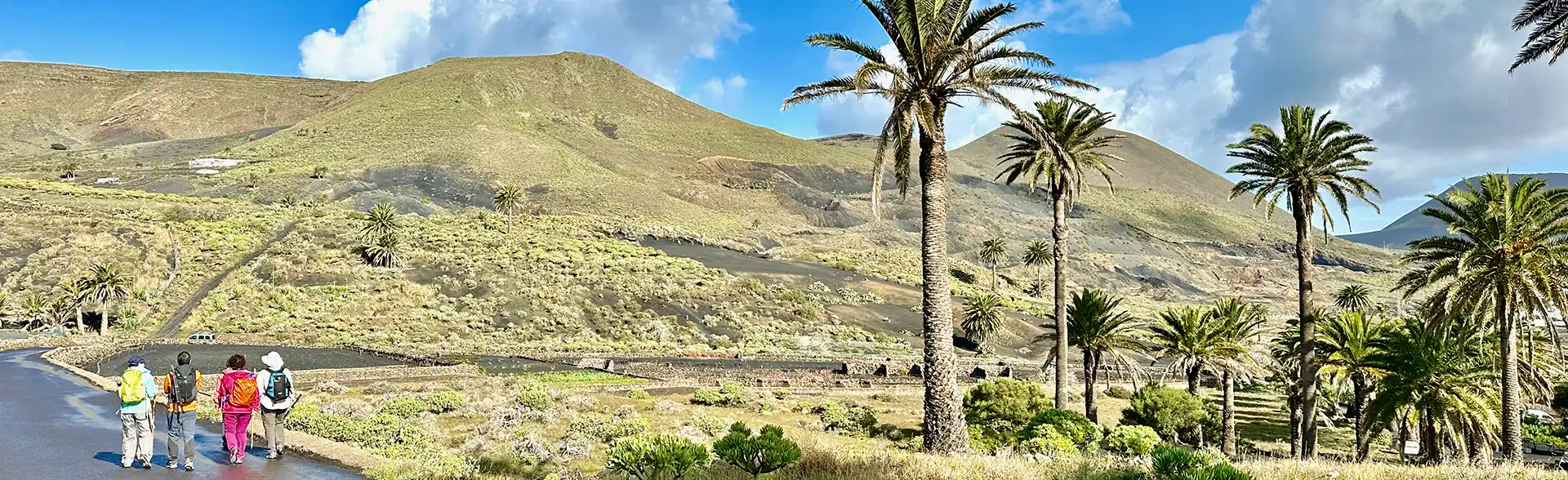
Sometimes it makes more sense not to bail out mid-trail, but to structure the day differently from the start. A morning transfer can skip an unremarkable road section and let you begin on a particularly beautiful coastal path or viewpoint instead. An afternoon transfer helps when you still want to reach your destination but no longer fancy walking the final kilometres.
Timing matters here. Pick-up points should be unambiguous, since mobile signal cannot be taken for granted everywhere. Anyone using a transfer should agree a fixed meeting point and a clear time rather than relying on last-minute arrangements out on the trail.
The most comfortable way to shorten hiking stages is often an extra night in the same place. Instead of moving on every day, you split a long stage into two easier walks or simply take a rest day. This eases legs and backs, and opens up time for a market visit, a swim, or a quiet afternoon on the terrace.
On trips with car hire, the length of the day can often be adjusted more freely. You can leave the car at a suitable point, skip a section, or drive back to the start after the walk, provided the route is circular or has a practical return leg. Public transport is a useful addition, but no guarantee of spontaneous flexibility, since timetables, holidays and capacity are often limited.
Not Every Long Stage Needs to Get Shorter

Distance alone only tells half the story on a hike. Twelve kilometres with 900 metres of ascent, rocky terrain and summer heat can be far more demanding than 20 kilometres on well-maintained paths. Conversely, a longer coastal stage with a gentle profile can feel perfectly manageable when there is enough water, shade and places to rest.
So look closely at elevation gain, surface, exposure and possible exit points before deciding whether to shorten hiking stages. A walk described as moderate in the itinerary can feel tougher than expected on a windy or hot day, for instance on La Palma, where volcanic trails and shifting weather often meet.
After a travel day, or when your boots are not yet fully broken in, cautious planning is wiser than sporting ambition. Sometimes it is enough to start earlier and allow more time. Making the most of the cool morning hour means walking more comfortably, with room for photo stops, a long lunch, or a break at a viewpoint.
Shortening is not always necessary; slowing down often is. Not every long stage calls for a shortcut, sometimes a more mindful approach to time and pace achieves the same result.
What to Consider with Luggage Transfer and Accommodation

Luggage transfer runs regardless of how many kilometres you cover on foot that day. If you shorten a stage but still sleep at the planned accommodation, things stay simple: your main bag is waiting at the destination, and you only need what you require for the walk in a day pack.
If the overnight location changes, things get more complex. Luggage would need rerouting, accommodation would need rebooking, and a transfer might need adjusting. In smaller villages with limited options, this can be difficult to arrange at short notice. That is why it is usually easier to shorten hiking stages within the existing itinerary than to build an entirely new day from scratch.
A deliberately skipped walking day also needs clear organisation. If you stay at the same accommodation, your luggage can simply remain there. If you move on and want to rejoin the route later, the connection, the luggage and the next overnight stay all need to line up. A quick check with your accommodation or the travel support team avoids misunderstandings.
Making the Right Call on the Trail
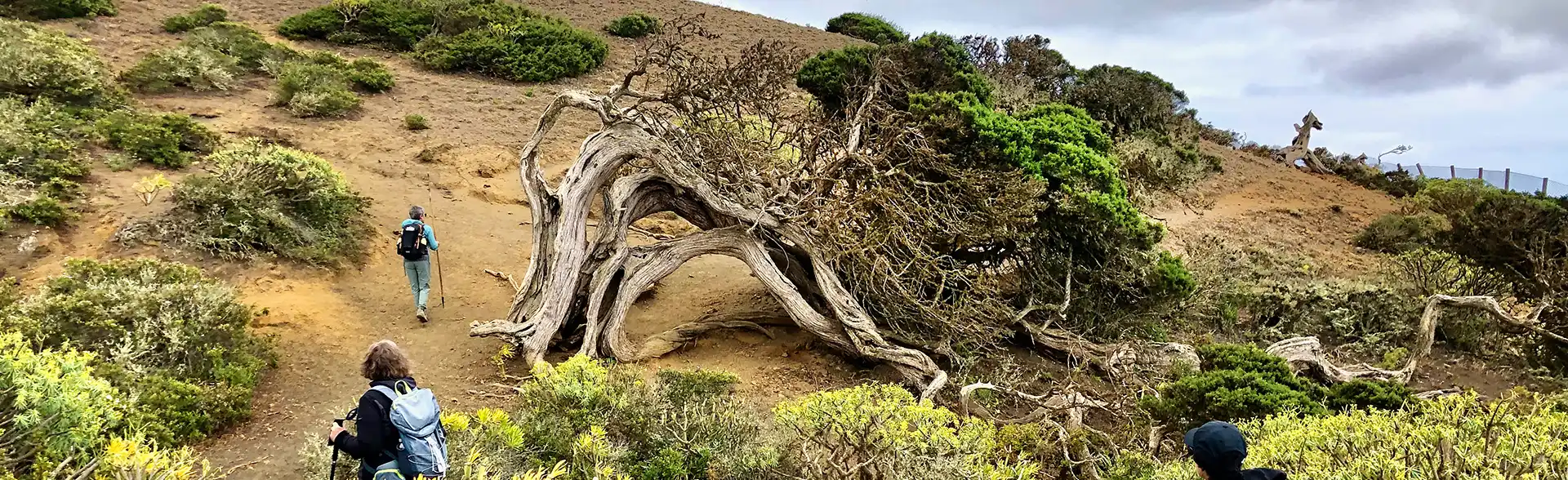
Listen to your body early on. Pressure points, early knee pain, or unusual fatigue rarely improve over the final kilometres. Anyone who begins to shorten hiking stages in good time protects their enjoyment of the days ahead. Do not wait until the only sensible pick-up point is already behind you.
Check the weather forecast, elevation profile and water supply each morning. Set yourself a realistic point at which you decide whether to continue as planned or take the shortcut. This is not a failure; it is part of self-responsible travel, in which enjoying nature and staying safe come first, a principle echoed in the Outdooractive hiking guide for trail planning.
GPS navigation and route notes help you judge alternatives correctly. Do not leave waymarked paths for supposed shortcuts when their course is unclear. In ravines, on volcanic trails or along rocky coastlines, a few kilometres off the intended route can prove far more demanding than expected.
Flexibility Starts Before You Leave
If you already suspect during planning that daily stages of 20 kilometres might be too much, say so openly. What matters is not just fitness, but also hiking experience, sure-footedness, elevation gain and your preferred travel pace. Some guests want a sporty trip, others want time for scenery, cafés and small discoveries along the way.
Both are possible, but they need the right route. Anyone who already knows they may want to shorten hiking stages from time to time should mention this when booking, so accommodation and transfers can be planned with that flexibility built in from day one.
Pack in a way that keeps a slower day from becoming a problem: worn-in boots, plenty of blister plasters, sun protection, water and a light day pack all make a noticeable difference. Starting well prepared means reacting spontaneously far less often.
The best walking holidays are not built on completing every planned stage at any cost. They come from having time to pause on a scenic path, and from a trip with enough flexibility built in so that a shorter route can be exactly the right decision.
Shorten Hiking Stages on Popular Trails
On many islands and long-distance routes, the question of whether you can shorten hiking stages is far from theoretical. On La Gomera, for instance, deeply cut ravines mean that a direct route between two villages often takes longer than the map suggests. A well-planned transfer pays off here in particular.
On Tenerife, volcanic landscapes, laurel forest and coastal stretches change within a short distance, so elevation and temperature can shift dramatically over just a few kilometres. Anyone who notices a stage becoming too demanding usually finds a workable solution without having to replan the whole day.
On the Camino del Guanche, the long-distance GR 131 trail across the Canary Islands, it helps to know in advance where an exit point is possible. On a multi-day route, small adjustments add up quickly to a noticeably more enjoyable overall experience.
Whether on volcanic paths, steep coastlines or deep ravines, knowing where you can shorten hiking stages makes for calmer travel and lets you respond spontaneously to weather, energy levels, or simply the wish to stay longer in a beautiful place, an approach that applies equally on the Azores.
What NATOUR Offers for Flexible Hiking Holidays
NATOUR designs self-guided walking holidays so that stages, accommodation and luggage transfer are coordinated from the start. This creates the foundation for being able to shorten hiking stages without turning it into a logistical headache. Every itinerary comes with realistic timings, elevation profiles and notes on possible exit points.
Before departure, guests can share their experience, preferred pace and any limitations, so the route selection fits from day one. During the trip, a travel support team is on hand to arrange an extra transfer, adjust an overnight stay, or suggest alternatives for a single walking day when needed.
This flexibility applies across the whole portfolio, from the Canary Islands to the Azores and the Balearic Islands. Anyone unsure whether a particular stage suits their fitness will find reliable answers in the travel documents and through direct contact with the team.
Frequently Asked Questions
Can I shorten a hiking stage spontaneously while on the trail?
In many cases, yes, provided a reachable pick-up point or a road for a transfer exists along the way. A clear arrangement about location and time matters, since mobile signal cannot always be relied on.
What happens to my luggage if I shorten a stage?
If the destination stays the same, nothing changes for your main luggage, it simply waits at the booked accommodation. Only a change of overnight location requires the luggage transfer to be adjusted.
Should I mention wanting to shorten hiking stages when I book?
Yes, this makes planning far easier. It allows exit points, transfers or an extra night to be identified in advance for the specific route.
What role does car hire play in shortening hiking stages?
On circular routes or trails with a practical return leg, car hire can offer real flexibility. On classic point-to-point routes, a pre-arranged transfer is usually the more reliable option.
Is an extra night a good alternative to shortening a stage?
Yes, particularly when the location offers several worthwhile circular walks. It allows a rest day without changing the overall itinerary.
How do I know if a stage is too demanding for me?
Pay attention to elevation gain, surface, exposure to sun and wind, and available exit points. These factors often say more than distance alone.
Does NATOUR help if I need to shorten hiking stages along the way?
Yes, the travel support team helps arrange transfers, adjusted overnight stays or alternative daily stages, so the trip stays relaxed even after a change.
Whether you shorten a stage because the weather turns, your legs feel heavy, or you simply want to stay longer in a beautiful place, good preparation and open communication keep your walking holiday flexible, safe and, above all, enjoyable.
 You might also be interested in:

 86,2 km ·
 6 Stages ·
 8 Days