
19 Jun Long-Distance Hike for Beginners – Route, Stages & Tips
What makes a good first long-distance hike
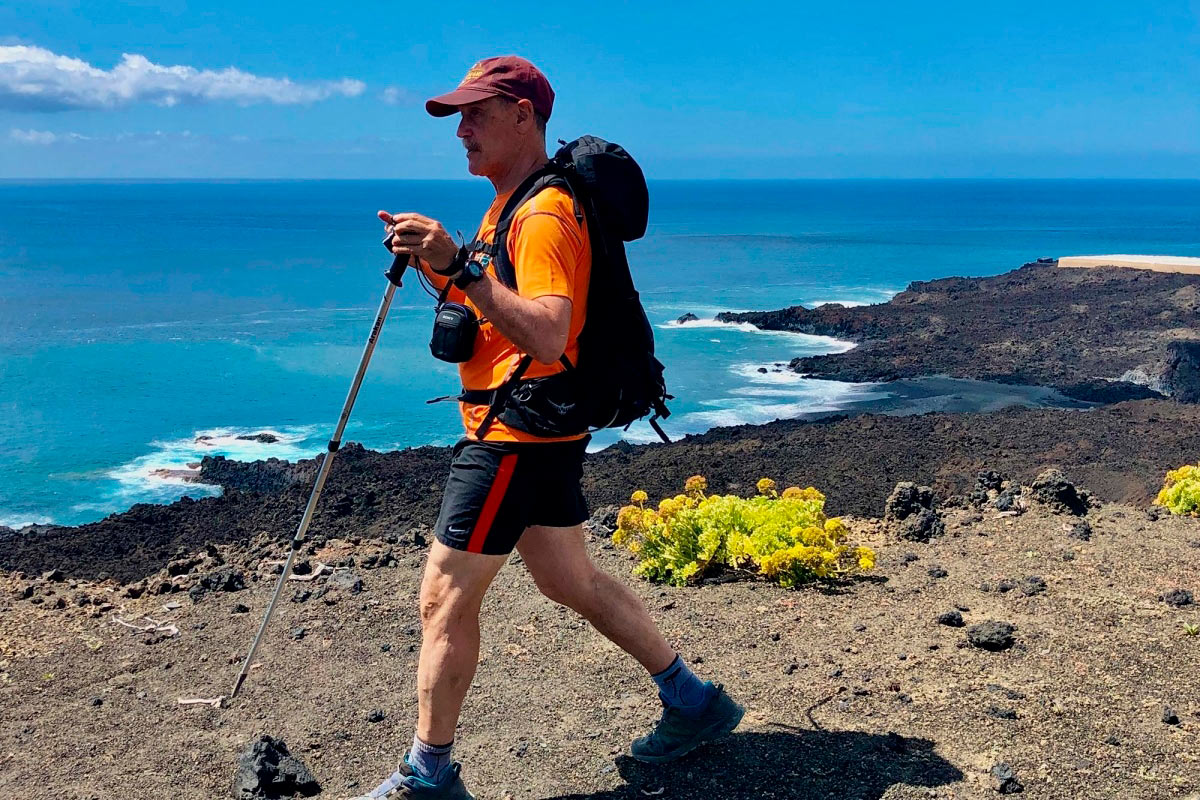 For a first attempt, it does not need to be the longest, wildest or most physically demanding route. On the contrary: a good first long-distance hike thrives on clear stages, reliable infrastructure and a landscape that carries you even when your legs feel tired on day three. Coastal paths, island routes and well-marked long-distance trails are therefore often ideal. They offer good orientation, regular places to stop or stay overnight, and usually a stage structure that adapts well to an average walking day.
What matters most is that the trip matches your real fitness level, not your wishful thinking. Anyone who normally only walks occasionally at weekends is rarely going to be happy with daily distances of 25 kilometres and significant elevation gain. A route that leaves some reserve is the better choice. Long-distance hiking should make you look forward to day two by the time you reach your first evening.
Planning a long-distance hike for beginners: the route first, then the details
The most important decision is not the backpack, and it is not the jacket either. It is the route. Anyone planning a long-distance hike for beginners should focus above all on three things: length, elevation profile and logistics. Many people underestimate the combination of distance and climbing in particular. Twelve kilometres in low mountains can be more demanding than twenty flat coastal kilometres.
A good beginner route has stages that stay flexible. Daily distances of around 10 to 18 kilometres are ideal, depending on the terrain. If the route includes a lot of ascents and descents, it should be considerably shorter. Climate plays a role too. On the Canary Islands, the Azores or along the Portuguese coast, pleasant hiking conditions often last for many months — yet sun, wind and dryness can still make a day more demanding than the elevation profile alone would suggest.
Equally important is how straightforward the route is from an organisational point of view. Are there regular places to stay along the way? Are transfers needed? Can you get back to your starting point without a complicated return journey? Especially for a first long-distance hike, a route where these building blocks already fit together smoothly makes all the difference.
Islands and coastal routes are often ideal for beginners
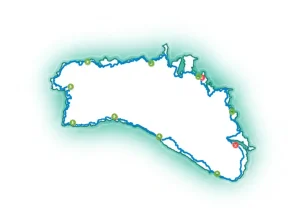
Many beginners think first of an Alpine crossing or remote mountain trails. That is appealing, but not always the best starting point. Island and coastal paths often have a decisive advantage: they combine impressive scenery with comparatively clear orientation and logistics that are easy to plan. Routes such as the Cami de Cavalls on Menorca or selected stages of the Rota Vicentina in Portugal show very well how accessible a long-distance hike for beginners can be when route and infrastructure work together.
Then there is the experience factor. The sea as a constant companion, changing coastal shapes, small villages and the rhythm of moving and arriving make that first trip feel very tangible. Routes like these feel like a journey, without tipping over into expedition territory.
The right stage length matters more than ambition
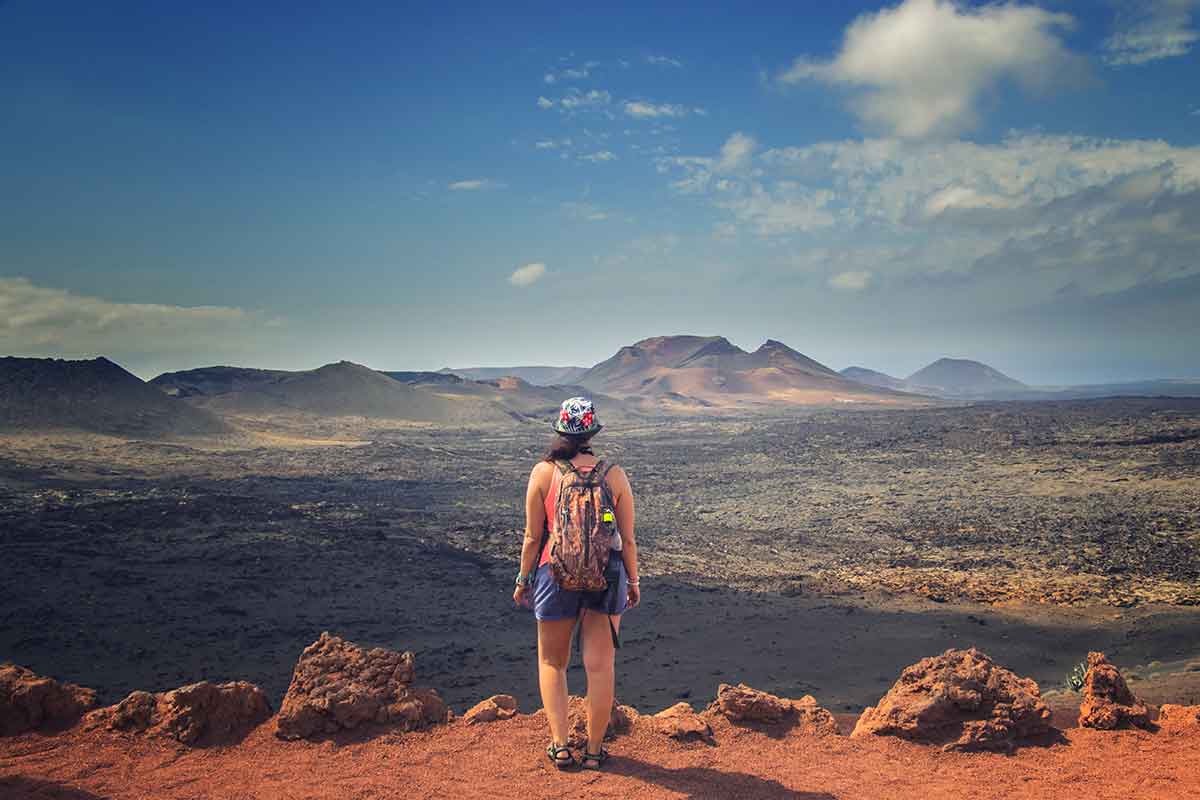 The most common planning mistake among beginners is setting overly ambitious daily stages. On a single day hike, tiredness is easy to push through. On a long-distance hike, everything adds up — climbing, heat, luggage, unfamiliar strain and sometimes poor sleep too. That is why your first trip should not be planned right at the edge of what you can manage.
Plan stages with breaks, photo stops and a slow start to the morning already built in. Fast walkers can simply arrive earlier. Slower walkers are not immediately put under pressure. As a rough guide: calculate conservatively, and on longer trips, deliberately follow two or three more demanding days with lighter sections.
If you are torn between two options, the more relaxed one is usually the better choice. Enjoyment is not a sign of low ambition — it is a fairly reliable measure of a successful long-distance hike for beginners.
Gear: light enough, without sacrificing comfort
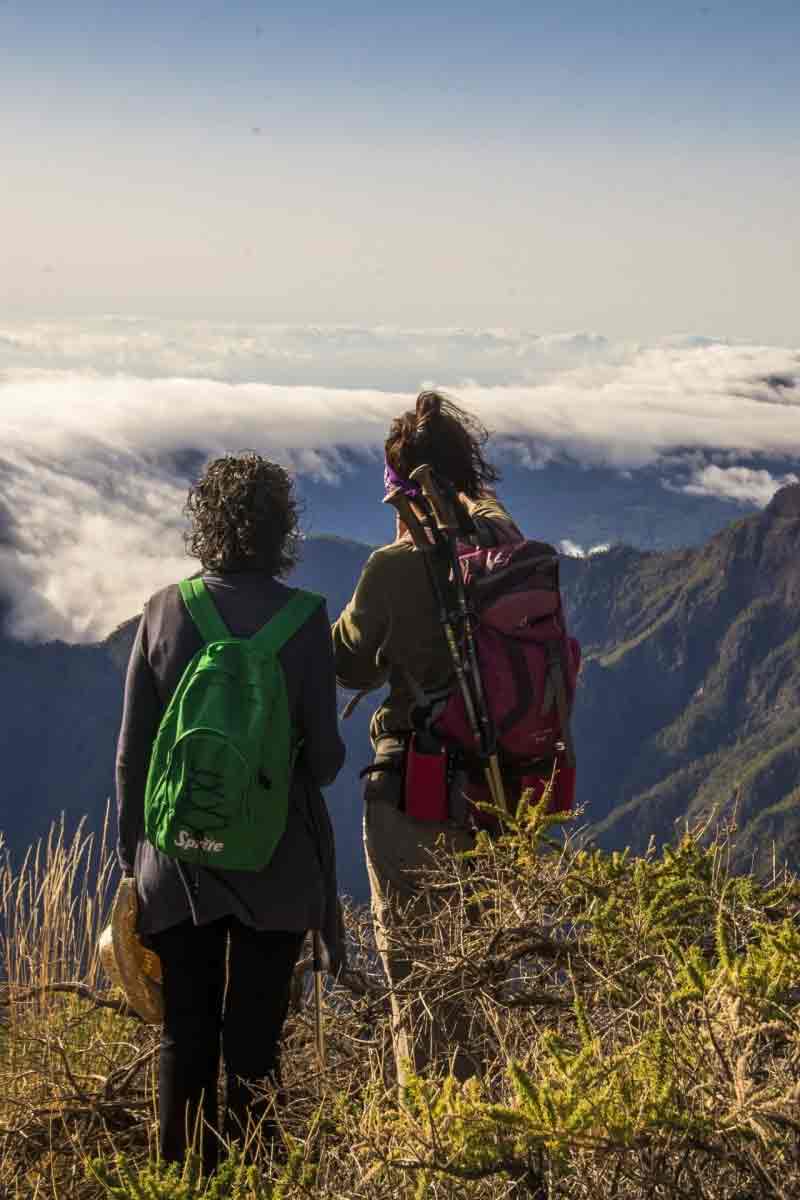 When it comes to packing, the mood quickly swings in one of two directions: too much, or too little. For a long-distance hike for beginners, both are a problem. A heavy backpack makes even moderate stages feel gruelling. Going too minimal, on the other hand, becomes uncomfortable the moment the weather turns or a small essential is missing.
What really matters is well broken-in hiking boots or suitable trail running shoes, a comfortable day pack, weather protection, enough water capacity and functional layered clothing. Everything else depends heavily on the route. On trails with accommodation every night, you need considerably less than on trips with more remote sections.
One point is often underestimated: navigation. Good waymarking helps, but it does not replace preparation. GPS data, a reliable route description and a charged phone with some battery to spare are worth their weight in gold, especially on less frequented stages. Anyone who does not have to constantly think about which turning to take walks far more relaxed.
Luggage transfer can make getting started much easier
Not everyone has to tackle their first long-distance hike carrying full luggage. Anyone walking several days in a row often benefits enormously from a light day pack and an organised luggage transfer service. It reduces physical strain, makes longer stages far more realistic, and leaves more room to actually enjoy the route.
Travellers who want to walk independently but have no interest in logistical improvisation particularly appreciate this style of long-distance walking. You keep the freedom of walking on your own terms while gaining comfort and planning security at the same time.
Honestly assess the season, weather and terrain
A route can be wonderful in spring and unpleasant in the height of summer. That is why choosing the right time of year is always part of the planning. Coastal routes often look straightforward on a map but can become demanding in strong wind, direct sun or a lack of shade. More mountainous island routes, in turn, demand more fitness, even when the daily distances look moderate.
Don’t just look at average temperatures. Ask yourself how the weather will actually feel along the way: are there exposed sections? Is water easily available? Can stages be shortened if needed? Good planning does not mean eliminating every risk. It means factoring the real conditions honestly into your decision.
Those travelling in spring or autumn often find the most pleasant hiking window on many southern routes. The light is clear, temperatures are usually friendlier, and the trails tend to feel quieter than during the classic peak season.
Accommodation and organisation are part of the hiking experience
Many people picture long-distance hiking mainly in terms of the trail itself. In practice, though, the hours before and after also shape the overall impression. How far is the accommodation from the path? Is breakfast geared towards early starts? Do transfers run on time? These details may seem small, but they often decide whether a trip feels smooth or exhausting.
If you are organising your first long-distance hike for beginners yourself, it is worth taking a very close look at these points. If you opt for a pre-arranged package instead, it should be clear exactly which services are included — overnight stays, breakfast, luggage transfer, GPS navigation or transfers between stage locations, for example. Especially on longer island and coastal routes, this combination is often the difference between a beautiful trip and an organisational marathon.
NATOUR focuses precisely on this: ready-made hiking trips that combine individual freedom with reliable logistics. For beginners, this is particularly valuable when the route is appealing but not entirely straightforward to organise in detail.
Planning a long-distance hike for beginners also means: training without overdoing it
You do not need to follow a special fitness programme before your first long-distance hike. But you should give your body a fair amount of preparation. Regular walking helps the most. Two or three longer hikes beforehand, ideally with some elevation gain and the day pack you plan to use, help far more than frantic training in the final week.
If your trip involves several consecutive days, getting used to repeated physical strain is key. So it is worth trying out two hiking days in a row beforehand. You will quickly notice whether your shoes, pace and break rhythm really work for you. That experience is far more valuable than any amount of theoretical planning.
Which route suits which kind of beginner?
Not every beginner starts from the same point. Someone who is fit but has little hiking experience can manage technically easy, longer coastal stages well. Someone who is sure-footed but rarely walks several days in a row should start with shorter stages instead. And anyone mainly looking to relax is better off choosing a route with lovely accommodation, short distances and minimal daily organisation.
That is exactly why there is no single perfect long-distance hike for beginners. It depends on whether you prioritise enjoying nature, a sporting challenge, or a stress-free way of travelling. The best route is the one where you feel neither under- nor over-challenged.
Anyone who chooses their first long-distance hike for beginners wisely quickly discovers why so many people never stop hiking once they start. Not because every day has to be spectacular, but because something very pleasant sets in along the way: a clear rhythm, less mental clutter, and the reassuring feeling that the next stretch is already waiting for you.
Frequently asked questions about long-distance hiking for beginners
How many kilometres should a beginner hike per day?
For beginners, daily distances of around 10 to 18 kilometres work well, depending on the elevation profile and terrain. With a lot of ascents and descents, the distance should be noticeably shorter. What matters more than the number of kilometres is leaving enough reserve so that the next day still feels enjoyable.
Which long-distance trails are best suited for beginners?
Coastal and island routes are often ideal for a long-distance hike for beginners, since they offer good orientation, regular accommodation and logistics that are easy to plan. Routes such as the Cami de Cavalls on Menorca or stages of the Rota Vicentina in Portugal combine impressive scenery with manageable organisation.
Do beginners need a luggage transfer service?
It is not strictly necessary, but it makes getting started considerably easier. With a light day pack instead of a full trekking backpack, longer stages become much more realistic and physical strain drops noticeably. For a first multi-day trip in particular, this is a major boost in comfort.
How should you physically prepare for a first long-distance hike?
You do not need a specific fitness programme, but regular walking helps enormously. Two to three longer hikes beforehand, ideally with some elevation gain and the day pack you plan to use, prepare you better than frantic training shortly before the trip. A trial run of two consecutive hiking days is also a good idea.
What gear do beginners really need?
Essentials include well broken-in hiking boots, a comfortable day pack, weather protection, enough water capacity and layered clothing. The rest depends heavily on the route: trails with accommodation every night require considerably less gear than trips with more remote sections.
When is the best time of year for a first long-distance hike?
Spring and autumn offer the most pleasant hiking window on many southern routes: clear light, friendlier temperatures and generally quieter trails than during peak season. It is also worth realistically assessing exposed sections, water availability and the option to shorten stages if needed.
 You might also be interested in:
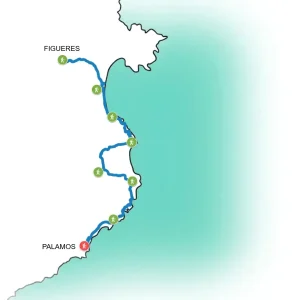
 86,2 km ·
  6 Stages ·
  8 Days