22 Oct Hiking alone on a multi-day trek: complete guide
Hiking alone on a multi-day trek starts long before the first signpost, with decisions made at home that later determine comfort, safety and flexibility on the trail. A realistic route, booked accommodation, double navigation and a clear backup plan mean a change in weather, a tired day or a missed turn won’t derail the whole trip. With sound preparation, hiking alone remains exactly what it should be: intense, free time outdoors.
On coastal long-distance trails, islands or remote mountain regions, the terrain is often more demanding than expected: long climbs, little shade, wind, slippery sections and big gaps between villages. This guide walks through how to plan such a trip realistically, which gear genuinely matters, and how to build a safety net without losing independence.
Hiking alone: assessing a route honestly
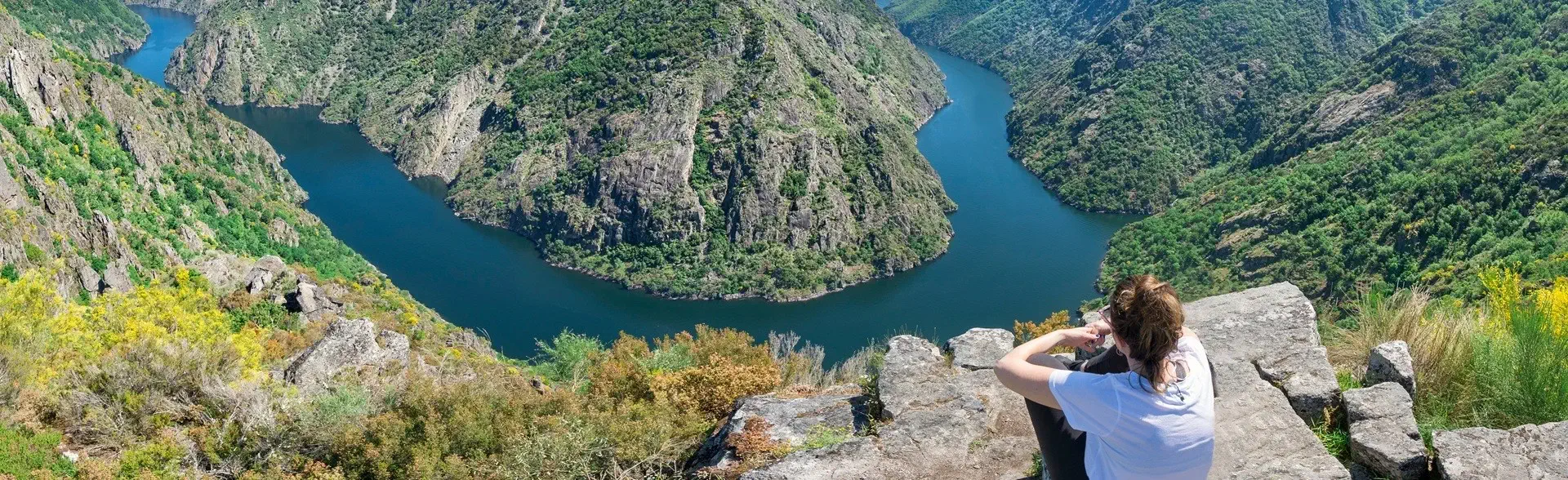
The most scenic route isn’t automatically the right one when you’re hiking alone. What matters is not the total distance but the profile of each individual stage. Twelve kilometres with 900 metres of ascent, rocky ground and strong afternoon sun demand something very different from 20 flat kilometres on a good coastal path.
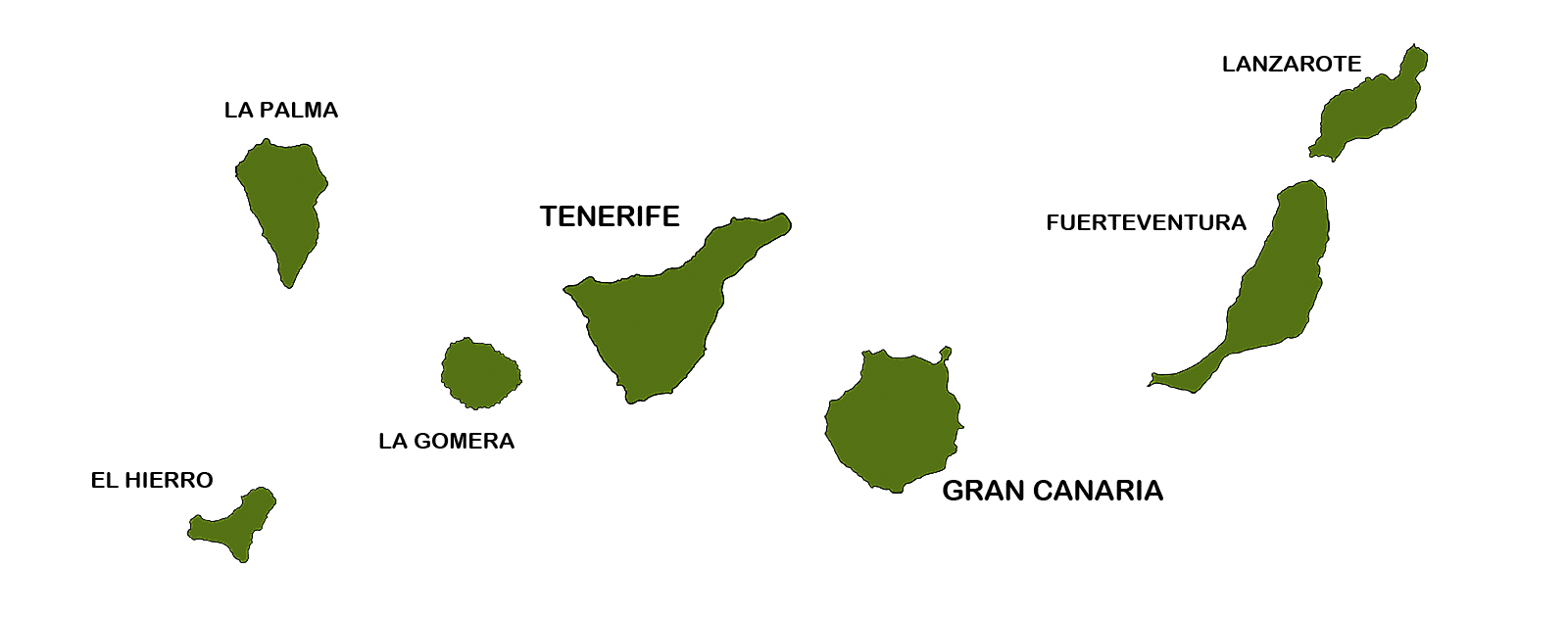
A simple calculation helps here: how many hours do you actually walk on a normal day at home, including breaks and photo stops? If you usually manage four hours, don’t plan seven demanding hours across five consecutive days. On unfamiliar terrain, such as the volcanic paths of the Canary Islands, it pays to build in a generous margin, especially on arrival day or after a long transfer.
Check what lies between start and finish too. Are there reliable water points, shops or a place to eat along the way? Will the accommodation still be reachable if you arrive late? On many long-distance trails, the real challenge isn’t elevation gain but the logistics between two stage towns.
A rest day, or a deliberately short stage midway through the trip, isn’t a sign of poor fitness but smart planning. Anyone serious about hiking alone should build this buffer in from the start, not add it once legs are already heavy.
Difficulty means more than fitness

When judging a route, sure-footedness, orientation skills and weather resilience matter as much as pure stamina. Narrow scree paths, exposed coastal sections or frequently changing waymarks, such as those found on the steep trails of La Gomera, can feel considerably harder when you’re on your own.
Be especially critical if you tend to tack on an extra viewpoint or shortcut during a hike. Set a clear rule in advance for such detours: only take them in stable weather, with enough water, and when the resulting arrival time still feels comfortable.
That keeps decisions on the trail rational rather than impulsive. For a broader sense of difficulty, the Outdooractive hiking guide grades many routes, offering a useful first reference point before you commit.
Accommodation and transfers as a safety net
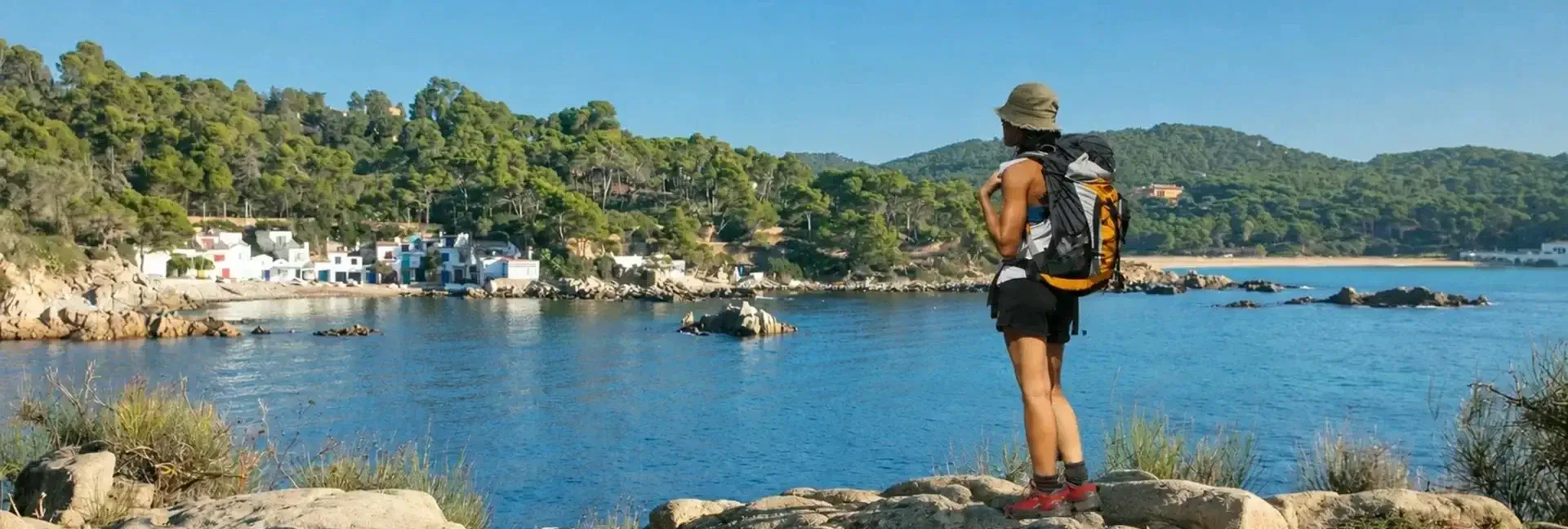
A multi-day trip becomes far less stressful once daily destinations are fixed. Booked accommodation provides structure, allows proper rest and avoids the stress of searching for a bed once energy is already running low. What matters is not just location but logistics: is there a late check-in option, and where can you get dinner if little is open in town?
On point-to-point routes, the return journey adds another layer. A hire car offers flexibility but ties you to a start or end point and requires a secure parking solution. Public transport can work well in some regions but runs less frequently outside peak season. Pre-booked transfers take pressure off, particularly for early starts or remote stage endings.
If you want to hike independently without coordinating every accommodation, luggage transfer and connection yourself, a specialist operator like NATOUR can arrange these building blocks for you. The hike itself stays entirely self-guided, while navigation, accommodation and logistics are reliably prepared in the background.
Doubling up on navigation
A paper map doesn’t replace an up-to-date digital route, and a smartphone doesn’t replace good preparation. For a solo trip, combining both makes sense. Download GPS tracks and offline maps before departure, check them on your device, and carry a power bank.
Switch on flight mode when you don’t need signal – it saves significant battery. Still, read the written route description: it offers details a blue dot on screen can’t convey, such as a confusing fork in the path, a seasonal stream, or a stretch with little shade.
Save the addresses and phone numbers of your accommodation offline as well. A paper map or printed stage plan proves valuable precisely when moisture, cold or a fall affect your phone. Anyone with questions about navigation or the app can check the relevant Wikiloc trail database alongside their own trip notes.
Gear: carry less, respond better

When hiking alone, every gram counts – but not every saving is worthwhile. Cut duplicate clothing and items you’re unlikely to use. Don’t skimp, however, on water, weather protection, a small first-aid kit and light. A head torch feels excessive on a day hike but can make all the difference if you’re delayed.
Pack clothing for conditions, not the calendar. On windy island trails, such as the Camino del Guanche, mornings can be cool while midday sun and climbing demand plenty of fluids. At higher altitudes, visibility and temperature can shift faster than expected, so a windproof outer layer, sun protection and a warm layer often need to sit in the pack together.
Before departure, test boots, socks and pack on a longer practice walk. Breaking in new boots on a five-day trek is an avoidable risk, since even small pressure points become real problems after several stages.
A complete daily safety reserve includes enough water and an energy supply that isn’t just sweet snacks, first-aid materials along with personal medication and blister plasters, rain and wind protection plus sun cover for head and skin, a power bank, head torch and key emergency numbers, and ID, some cash and a card with emergency contacts.
Setting a backup plan before you need it
Hiking alone doesn’t mean solving everything alone. Share your stage plan with someone you trust: accommodation, planned route, start time and an approximate arrival time. Agree on a short evening message; if it doesn’t arrive, that person knows not just that something is wrong, but where to start looking.
Define at least one exit option for each stage too, whether that’s a bus stop, a road crossing, a taxi contact or a town before the actual day’s destination. On some routes, turning back is barely possible – in that case, weather windows and your own form should be judged especially conservatively.
A backup plan is also a question of decision-making. Turn around or take a shortcut if visibility, terrain or energy no longer line up. The trail isn’t going anywhere, and a good trip isn’t measured by every planned kilometre completed, but by arriving healthy with good memories.
Weather, season and the first hours of the day
Weather apps show trends, not guarantees. Check the forecast the evening before and again in the morning, paying particular attention to wind strength, storm risk and the temperature it will actually feel like. On coastal paths, strong wind can affect both orientation and balance, while in sunny, dry regions heat often matters more than distance.
Start early on hot days and never assume a water point will be open or flowing. After rain, muddy paths, stream crossings and rocky descents change noticeably. Taking seasonal factors seriously doesn’t mean hiking more anxiously – it means hiking more freely, with enough margin to postpone a stage or choose an alternative.
Many mistakes stem from the wrong pace early in the day. The pack feels light in the morning, excitement runs high, and suddenly water or energy is already running short by midday. Walk the first hours in a controlled way, drink early and take short breaks before you urgently need them. Checking the time, water level and route at every rest stop prevents a lovely viewpoint from turning into an unnecessarily late arrival.
What NATOUR offers for solo hikers
NATOUR organises self-guided, stage-by-stage hiking trips in which solo travellers walk the route at their own pace, with no group and no fixed schedule. Every package includes carefully selected accommodation with character, luggage transfer between stages, and local support throughout the trip for questions about transfers or lodging.
For navigation on the trail, NATOUR provides its own app, Roadbook for Discovery, available on Google Play and the App Store. Login credentials arrive by email after final payment; the trip is then validated and downloaded. The app contains day-by-day stages with descriptions and accommodation details, an overview map with numbered stages, and practical information on safety and documents.
On the trail, the app guides you by voice, gives an audible and visual alert if you stray from the route, and activates points of interest automatically as you approach them. It works without signal in flight mode once the trip is downloaded. Access costs €25 per person, can only be installed on one phone and cannot be transferred afterwards; there’s no need to log out. The app stops being available once the trip ends, though the same credentials work for future NATOUR trips.
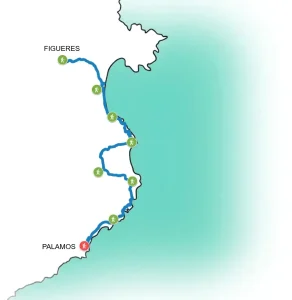
Travellers also receive a PDF briefing by email, with a printed version optionally available for €20, handed over at the first accommodation. There’s no need to search for or import your own tracks, since the route is already fully loaded in the app. This setup works equally well for destinations such as the Azores, the Costa Brava or Tenerife.
Frequently asked questions
How much experience do you need before hiking alone on a multi-day trek?
Several day hikes with a similar profile are a solid foundation. More important than raw experience are realistic stage lengths, well-tested gear and a clear plan for emergencies.
Is it safe for a woman to go hiking alone on a multi-day route?
Yes, with careful preparation this is generally very achievable on established long-distance trails. Booked accommodation, a shared stage plan and a conservative approach to weather and fitness are key.
How many kilometres a day are realistic when hiking alone?
This depends heavily on elevation profile and terrain, not just distance. Base your plan on your usual walking time at home and build in extra margin on unfamiliar ground.
Do you really need an offline map for a solo trek?
Yes, a downloaded offline map or GPS track is strongly recommended for solo trips. It works independently of mobile signal and complements the written route description well.
What must go in your daypack when hiking alone?
Enough water, a first-aid kit, weather protection, a power bank and key emergency numbers are essential. ID, some cash and emergency contact details should always be included too.
How do you choose the right difficulty level for a stage hike?
Assess sure-footedness, navigation demands and weather dependency alongside pure distance. Official gradings, such as those on the Outdooractive hiking guide, offer a reliable first reference point.
Is organised luggage transfer worth it for solo hikers?
Yes, especially when hiking alone, luggage transfer noticeably reduces physical strain and injury risk. The hike itself stays fully self-guided while logistics and transfers run in the background.
Hiking alone on a multi-day trek rewards honest self-assessment, double navigation and a clear backup plan more than anything else. That leaves time and energy for what matters most: the next path and the landscape ahead.
 You might also be interested in:

 86,2 km ·
 6 Stages ·
 8 Days