23 Jun Active Holiday Canary Islands – 7 Islands, Routes & Tips
Planning an active holiday Canary Islands style means setting off over lava ridges in the morning, climbing through pine forests at midday and sitting by the Atlantic in the evening.
What an active holiday Canary Islands really means
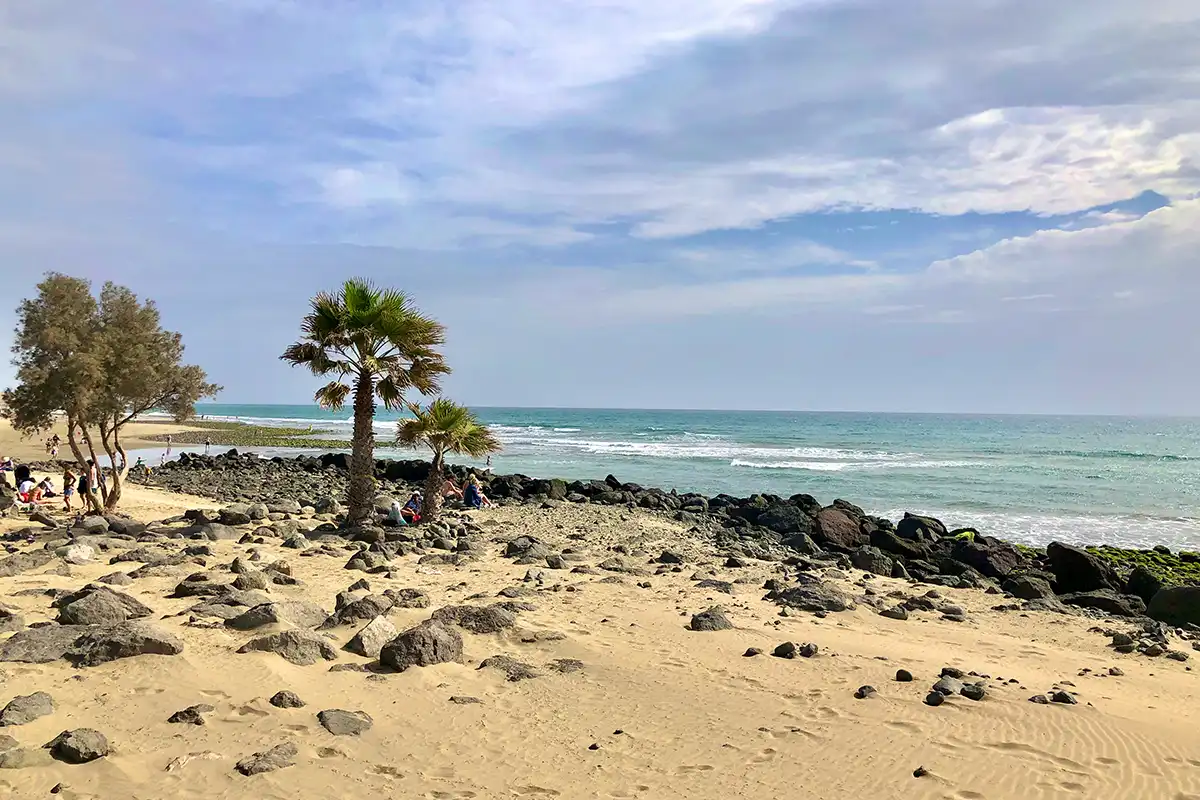 An active holiday Canary Islands means above all movement through enormously varied landscapes. Instead of a single holiday base, you experience volcanic craters, cloud forests, ravines, coastal paths and ridge trails in a short space of time. Those who love hiking will find some of the most exciting island routes in Europe here. Those who prefer two wheels will also find excellent conditions — though often with a demanding profile.
The decisive difference from many other active destinations lies in the combination of natural experience and year-round travel season. The Canaries are not a summer-only destination. Autumn, winter and spring are often when many tours really come into their own, because temperatures stay pleasant and visibility is frequently excellent. This makes the archipelago particularly attractive for people who want to travel outside the classic peak season.
At the same time: the Canaries are not all the same. Elevation gain can accumulate quickly, paths can be stony and exposed, and the microclimate can shift within just a few kilometres. Those who choose their active holiday Canary Islands to match their real fitness level and personal preferences will experience far more than someone who simply picks the most photogenic destination.
Which island suits your active holiday Canary Islands
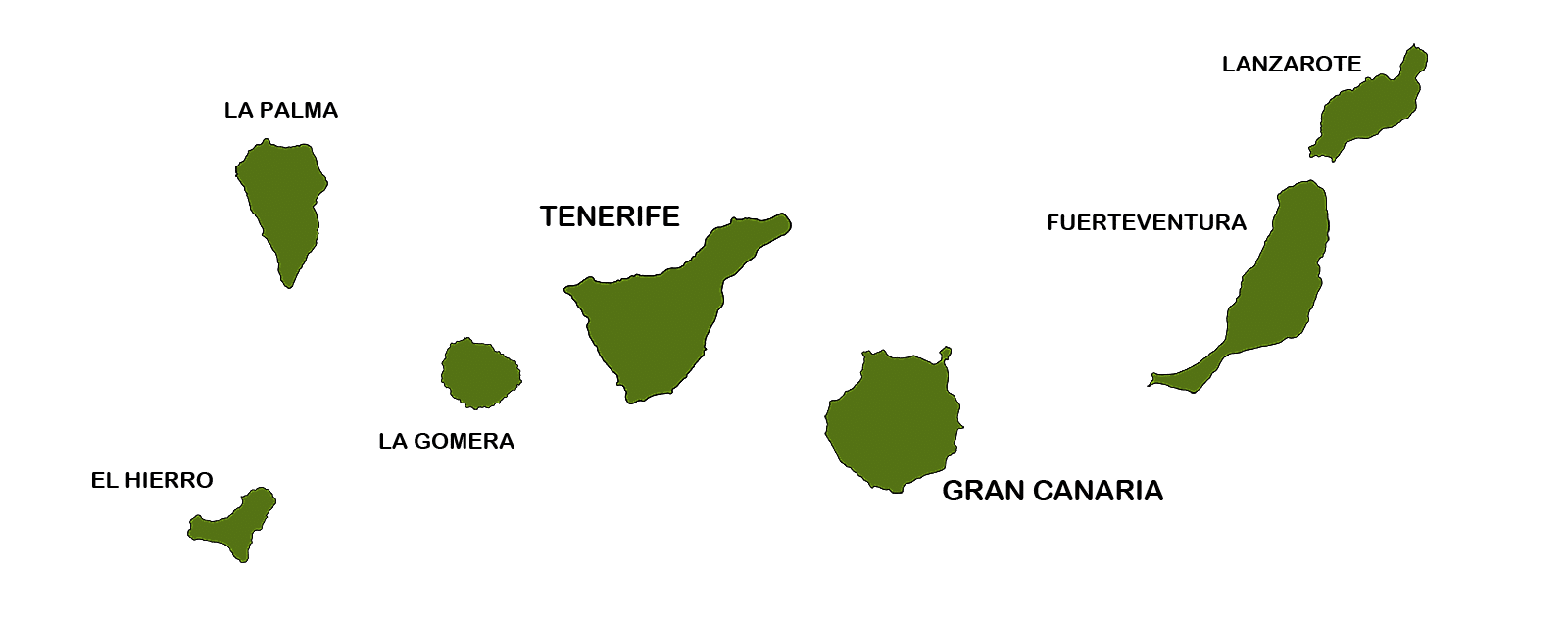
Tenerife – the most versatile choice
Tenerife is for many active travellers the best starting point, because the island offers an astonishing amount within a short distance. Around El Teide, vast volcanic landscapes dominate; in the north, laurel forests, terraced hillsides and rugged coastlines alternate. Add to this a wide range of elevations that allow tours with very different characters.
For stage hikers, Tenerife is compelling because demanding mountain sections can be combined with culturally rich villages and well-connected bases. Those who enjoy varied hiking without being tied to a single landscape will find a great deal here. The small catch: some paths are more demanding than the island’s mild climate might suggest.
La Palma – ideal for serious hiking islands
La Palma is more compact, greener and in many areas considerably more mountainous than it looks on a map. The island is made for travellers who are not put off by elevation profiles and enjoy proper stage hikes. The famous ridge trail, deep erosion landscapes and far-reaching passages make La Palma an island for everyone who puts the hiking itself at the centre of their trip.
Those who enjoy long days on trails and appreciate the transition from volcanoes and pine forests to Atlantic views will feel right at home. La Palma is less suited to anyone primarily looking for relaxed strolls. The scenic reward is high, but so is the physical demand.
Gran Canaria – surprisingly strong for hiking
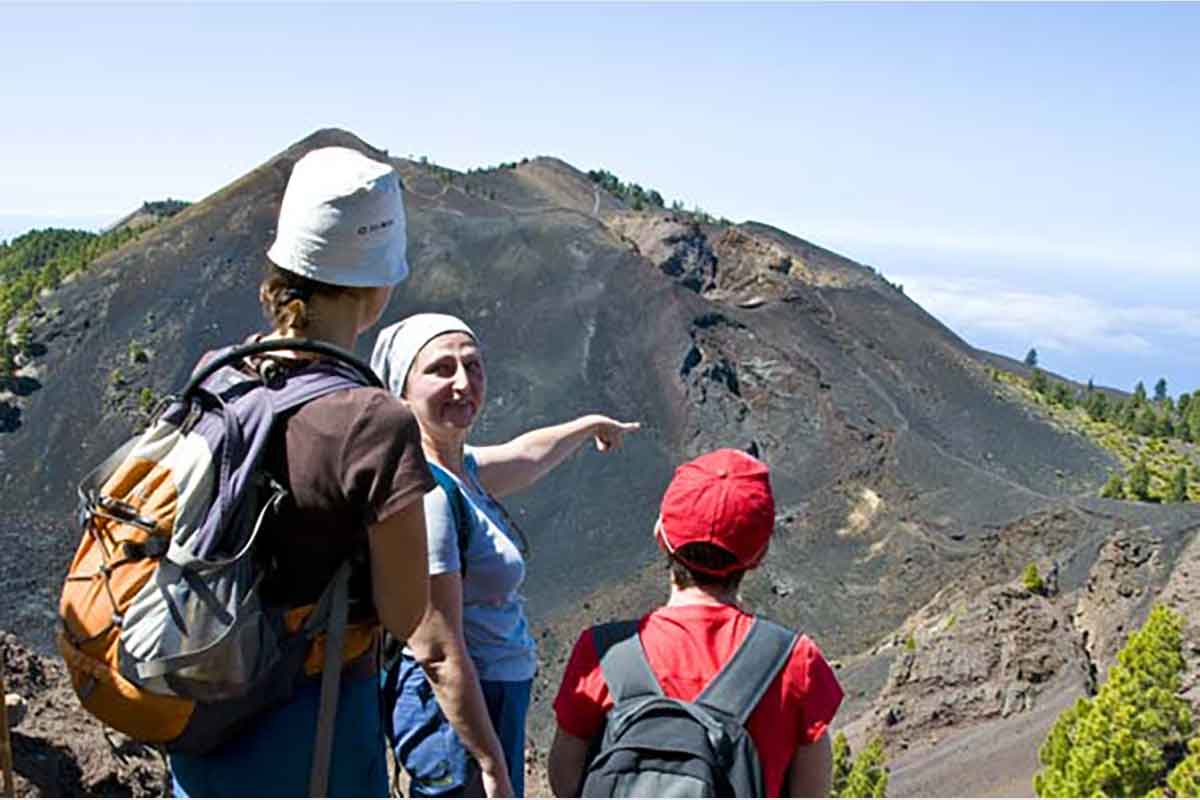 Gran Canaria is still often reduced to a beach holiday destination. For active travellers, that sells it far short. The island’s interior opens up a dramatic mountain world of rock formations, ravines and historic trails. The range stretches from leisurely day hikes to genuine multi-day tours.
Gran Canaria is particularly appealing for travellers who enjoy contrasts. You can walk through dry highland landscapes in the morning and stop for lunch in fertile valleys later in the day. The infrastructure is good, yet especially inland, the natural experience remains surprisingly unspoilt.
La Gomera – compact, green and very hiker-friendly
La Gomera is an excellent choice for people looking for a manageable island with a clear hiking identity. The Garajonay National Park with its cloud forest gives the island an almost fairytale quality, complemented by deep barrancos and impressive coastal views.
The trails are often ideal for multi-day tours because distances can be combined sensibly. At the same time, the island should not be underestimated. Even short stages involve noticeable ascents and descents. Those who like travelling in a compact way while still experiencing a new landscape every day will make an excellent choice with La Gomera.
Lanzarote and Fuerteventura – strong for coast, open spaces and wind
These two islands often appeal to a somewhat different type of active holiday. Lanzarote captivates with its lava fields, crater landscapes and bright coastlines. Fuerteventura stands for wide-open spaces, long stretches of beach and a more expansive terrain. Both are very rewarding, but different in character from the green western islands.
For hikers, they work particularly well when the natural experience comes not through dense mountain worlds but through geology, light and horizons. Cyclists appreciate the open landscapes depending on the route, but should expect wind. That is precisely the point: what feels like freedom to some can quickly become tiring for others.
Hiking, long-distance hiking or cycling?
Most travellers think of hiking first when planning an active holiday Canary Islands — and rightly so. Multi-day tours with pre-planned stages, booked accommodation and luggage transfer suit the islands very well. They give freedom on the trail while removing the organisational pressure. Especially on more demanding sections, this is a genuine comfort gain.
Long-distance routes such as the GR 131 show particularly well how intensely the islands can be experienced on foot. Routes like these are not a collection of beautiful individual walks — they build a complete picture of a landscape. You understand ridgelines, settlements, climate shifts and the particular character of an island much better when you cross it over several days.
Cycling is also attractive, but on the Canaries it tends to appeal more to sportively ambitious guests. Many roads climb consistently, and wind or heat can add further challenge to the stages. Anyone looking for a cycling holiday with an enjoyment factor should therefore look very carefully at route profiles, season and daily distances.
Planning your active Canary Islands holiday realistically
 The most important question is not just: which island do I like? Better to ask: how do I want to move around when I get there? Those who enjoy walking for several hours each day can plan more ambitiously on islands like La Palma or Tenerife. Those looking for scenic variety but a more moderate pace will do considerably better with carefully coordinated stages.
The time of year also deserves more attention than many people expect. In winter, coastal areas are often very pleasant, but at higher elevations it can be cool, windy or overcast. Spring sees many islands looking their freshest, while autumn often delivers stable conditions. Summer is possible, but not ideal for every island and every route — especially when long ascents with direct sun exposure are involved.
Equally relevant is the question of organisation. Self-guided trips work particularly well for an active Canary Islands holiday when route descriptions, navigation, transfers and accommodation are all neatly coordinated. That sounds straightforward, but in practice it makes an enormous difference. Anyone who does not have to improvise luggage logistics, car swaps or the next route search after a long stage experiences the trip in a more focused, more relaxed way.
Who benefits most from organised stage trips
Many experienced hikers prefer to plan independently. For an active holiday Canary Islands, a curated package can nonetheless be the better solution — not because the paths are inaccessible, but because the details are decisive. Stage lengths, transfer points, accommodation locations and seasonal conditions all need to fit together sensibly.
Especially on island crossings or routes across several elevation zones, good preparation saves a great deal of time and avoids typical planning mistakes. That includes an honest assessment of the difficulty level. Eighteen kilometres on an island route can easily be more demanding than twenty-five kilometres in low mountain terrain.
NATOUR designs trips precisely for this need: travelling independently, but with professionally prepared logistics running in the background. For many active travellers, this is the most enjoyable form of an active Canary Islands holiday, because they remain independent without having to handle every operational step themselves.
Common mistakes when choosing an island
A frequent mistake is making the decision based on name recognition alone. Tenerife is wonderful, but it is not automatically the best island for every hiking style. La Gomera looks small but can be perfect for intensive stage trips. Fuerteventura seems straightforward but challenges in its own way through wind and openness.
The second mistake involves self-assessment. Many people underestimate in particular the descents, stony paths and cumulative elevation gain. Those who are sure-footed and enjoy a sporting pace will be very happy on an active Canary Islands holiday. Those who prefer a more leisurely approach should choose their route accordingly and plan with more time to spare.
And then there is the idea of eternal spring weather. Yes, the Canaries are attractive year-round. But sun, wind, trade-wind clouds and temperature differences can significantly alter the character of a tour. Good planning therefore does not mean eliminating every risk — it means reading the conditions correctly.
An active Canary Islands holiday pays off most when it fits you
The best island trips rarely come from the most spectacular route on paper. They come when ambition, landscape and organisation find the right balance. Perhaps that means a high-level ridge stage on La Palma. Perhaps an island crossing on La Gomera. Perhaps a varied hiking week on Tenerife with enough time for the quiet moments between stages.
If you choose your active Canary Islands holiday based on your actual travel style rather than received ideas, you get more than movement and beautiful views. You experience islands that are not merely visited, but understood step by step.
Frequently asked questions about an active holiday Canary Islands
Which Canary Island is best suited for hikers?
It depends on your personal style. La Palma and La Gomera are ideal for intensive stage hikes with significant elevation and unspoilt nature. Tenerife offers the greatest variety and is a good starting point for an active Canary Islands holiday. Gran Canaria surprises with a strong mountain world in the interior. Lanzarote and Fuerteventura appeal more to those who value geology, wide-open spaces and coastal paths.
When is the best time of year for an active Canary Islands holiday?
Autumn and spring are the most pleasant travel periods for most active holidaymakers: stable conditions, comfortable temperatures and less busy than peak season. Winter works well for the eastern islands (Lanzarote, Fuerteventura) and for coastal routes. Summer is possible for an active Canary Islands holiday, but long ascents with direct sun require good preparation and early starts.
Is an active Canary Islands holiday also suitable for beginners?
Yes, if the route matches your fitness level. The Canaries offer both accessible coastal paths and demanding mountain routes. An honest self-assessment is essential: elevation gain, trail conditions and daily walking time should all be planned realistically. For beginners, manageable stages with good infrastructure are recommended.
What does an active Canary Islands holiday with an organised stage trip cost?
Costs depend strongly on the island, accommodation standard, duration and included services. A well-curated package with accommodation, luggage transfer, GPS navigation and transfers is usually more efficient than individual bookings, as it saves time and planning effort. A request to specialised providers like NATOUR will quickly give you an overview.
What gear do I need for an active Canary Islands holiday?
Well broken-in hiking boots or trail running shoes, a light day pack, weather protection and sufficient water capacity form the foundation. On exposed island routes, wind protection can be decisive. Those travelling with luggage transfer need to carry considerably less each day — a major comfort gain on multi-day tours.
Can you plan an active Canary Islands holiday without a tour operator?
Broadly speaking, yes. Those with planning experience who know the island logistics can organise many tours independently. For multi-island trips, stage hikes with luggage transfer or routes across several elevation zones, professional preparation is however a clear advantage: it saves time, avoids typical mistakes and lets you focus on what matters.
 You might also be interested in:
 86,2 km ·
  6 Stages ·
  8 Days