06 Jun Plan your own walking holiday on the Costa Brava
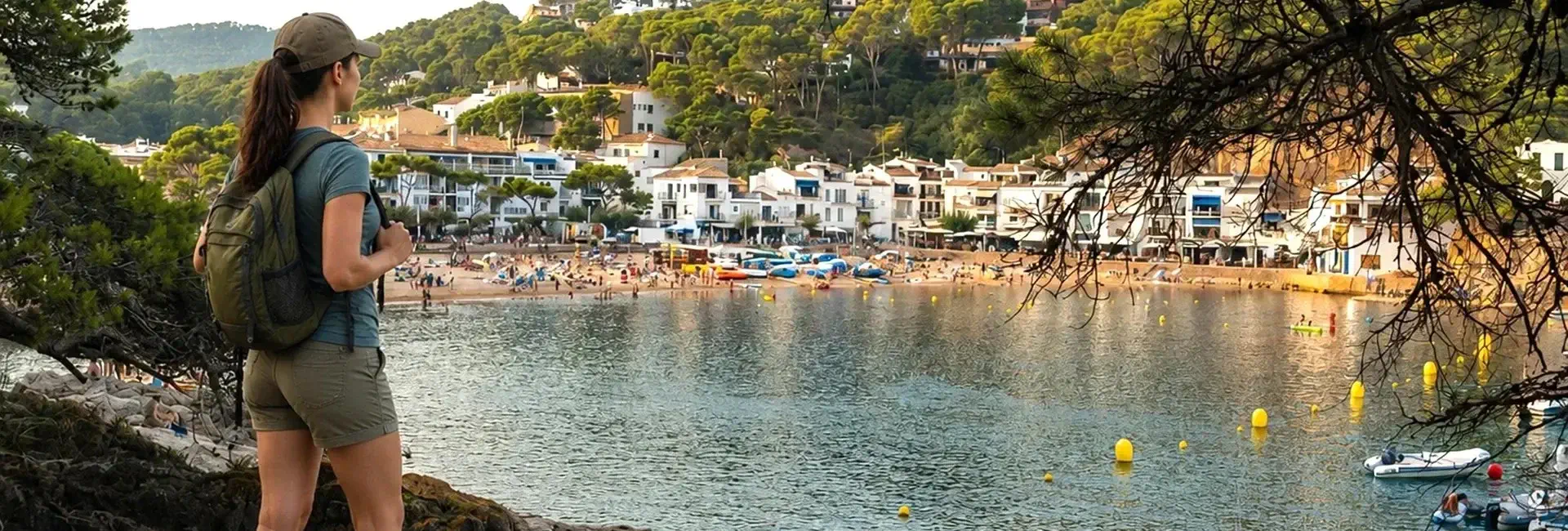
Among pine-covered slopes, reddish-brown rocks and small coves, it quickly becomes clear why an individual hiking holiday on the Costa Brava appeals to so many experienced active travellers. The region is not a uniform coastal strip, but a succession of narrow paths above the sea, quiet natural sections, white villages and surprisingly wild cliffs. Those on foot here get sea views almost every minute — and enough variety for several days of walking.
For independent travellers in particular, the appeal lies in this blend of freedom and clear structure. You walk at your own pace, take breaks where the view deserves it, and yet you don’t have to deal with every transfer question or accommodation search. That’s exactly what makes the Costa Brava so attractive for self-guided hiking trips.
Why an Individual Hiking Holiday on the Costa Brava Works So Well
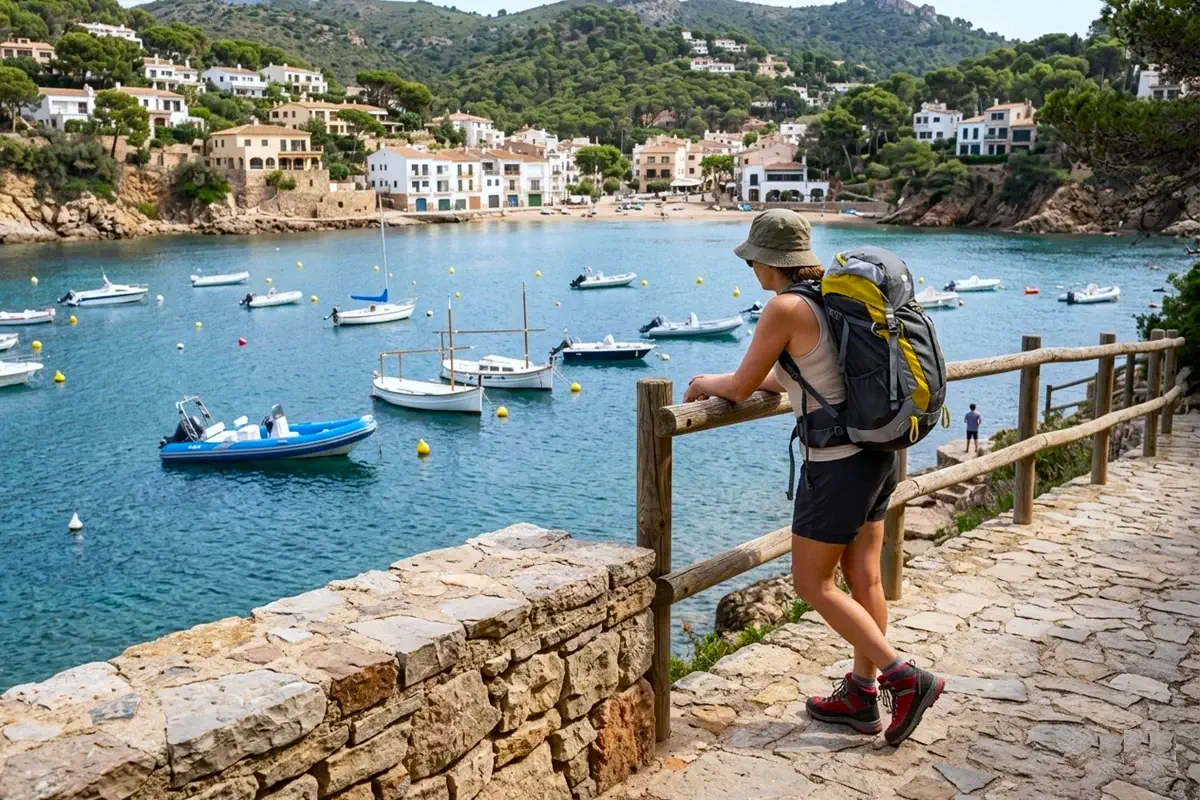 The Costa Brava is made for multi-stage hiking. Many paths run close to the coast, often along historic connecting routes or the Caminos de Ronda, the old coastal trails. This creates routes that are scenically impressive yet logistically straightforward to plan. Villages with accommodation are often within a sensible day’s distance, and stages can be comfortably graded according to ambition.
There’s also an advantage you only truly appreciate once you’re on the trail: the landscape changes constantly. One section leads over open rocky outcrops with wide views of the Mediterranean, the next through shaded pine forests, then into a sheltered swimming cove or a lively coastal village. This dynamic keeps the tour engaging without it needing to be permanently alpine or technically demanding.
For many guests, that’s the decisive point. The Costa Brava offers no extreme trekking terrain, but it’s no bland stroll either. It’s a coastal region for people who want to be actively on the move, seek out nature, and yet value good daily stages, reliable accommodation and thoughtful organisation.
Individual Hiking Holiday on the Costa Brava – Who Is It For?
This style of travel suits walkers who want to be independent but don’t want to spend their holiday time on detailed planning. If you enjoy setting off in the morning with a light day pack and arriving in the evening at booked accommodation without any baggage hassle, the Costa Brava is the right destination for you.
The region is also ideal for couples or friends with slightly different walking paces. The paths are usually easy to follow, many stages offer places to stop for refreshments or beautiful breaks, and the daily experience draws not just on athletic effort but strongly on the coastal scenery. Those looking for very remote high-mountain routes will find better destinations elsewhere. But those wanting to combine sea, movement and comfort will find exactly the right balance on the Costa Brava.
What Stages Await You on the Costa Brava?
Typical are day hikes with a moderate profile, where the character is defined less by absolute altitude than by the constant ups and downs. Coastal walking on the Costa Brava often means small ascents and descents set the rhythm. This looks harmless on the map, but adds up over the course of the day.
That’s precisely where the special appeal lies. The stages are rarely monotonous. Instead, you move from cove to cove, over rocks, past natural beaches and through Mediterranean vegetation. New perspectives on the sea open up again and again. This style of walking is ideal for travellers who prefer to look and experience intensely rather than simply accumulate kilometres.
Depending on the route, cultural highlights are added to the mix. Historic village centres, small fishing ports and fortified settlements create beautiful contrasts with the natural surroundings. This makes for a trip that offers a great deal not just athletically, but atmospherically too.
Assessing the Difficulty of the Costa Brava Realistically
Many people underestimate coastal paths because they see no high summits. In reality, an individual hiking holiday on the Costa Brava requires a solid base level of fitness. The paths are often well walkable, but not always even. Natural tracks, stony passages and short, steeper sections are part of the deal.
Those who hike regularly and manage daily stages of around 4 to 6 hours comfortably are generally well matched. The region can also work for beginners — in that case, a route with moderate stage lengths and good logistical support makes more sense than a sportingly dense programme. It’s worth looking not just at kilometres, but at walking time, elevation gain and trail conditions.
The Best Time of Year for the Costa Brava on Foot
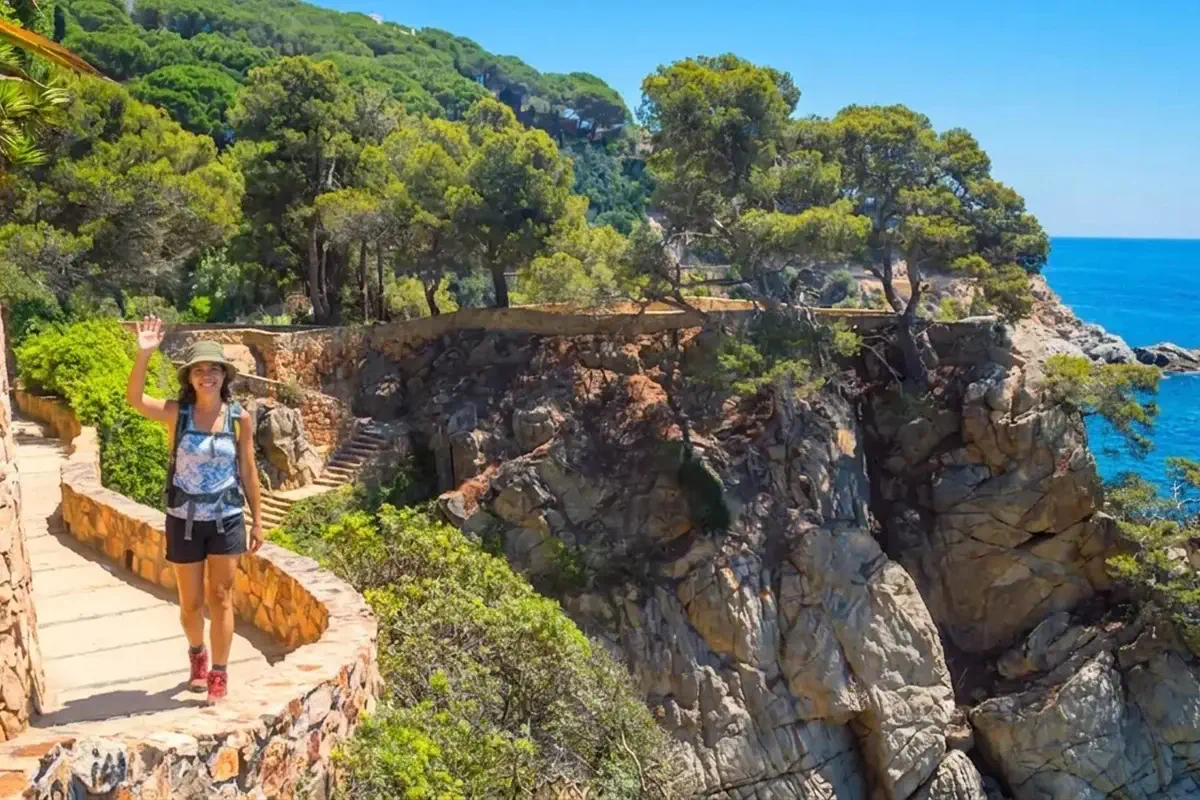 Spring and autumn are particularly pleasant. The light is clear, temperatures are walker-friendly and the landscape feels lively. Spring brings blossom and fresh greenery, autumn often a calm, stable weather pattern with a warm sea and comfortable walking temperatures.
Summer can be scenically magnificent, but it’s not ideal for walking on the Costa Brava for everyone. Heat, stronger sunshine and livelier coastal villages significantly alter the feel of the trip. Those travelling in summer should choose stage lengths carefully, start early and focus more on leisurely hiking than sporting ambitions.
Winter on the Costa Brava is often milder than in central Europe and can be appealing for those seeking peace and quiet. At the same time, weather changes are possible, some villages feel quieter, and not every service runs at the same pace as in the main season. It depends on whether you prefer lively coastal towns or a relaxed off-season atmosphere.
What Makes a Well-Organised Individual Trip on the Costa Brava Genuinely More Relaxed
The difference between self-organised and professionally prepared often only becomes apparent on the trail. On paper it seems simple to book accommodation along a coastal route yourself. In practice, precisely calibrated stages, well-positioned overnight stops, reliable transfers and clear navigation are what determine whether a trip runs smoothly.
A hiking holiday on the Costa Brava becomes particularly enjoyable when luggage transfer is included. You carry only what you need for the day and still arrive comfortably in the evening. GPS data and precise route descriptions also make a big difference, especially on paths that require attention at junctions, village edges or in rocky terrain.
A curated travel package is therefore not a restriction but rather organised freedom. You remain independent on the trail but benefit from a structure that saves time and avoids mistakes. This is exactly the kind of travel that a specialist operator like NATOUR stands for particularly credibly.
Accommodation, Food and Daily Rhythm on the Costa Brava
An individual hiking holiday on the Costa Brava isn’t just about the paths — it’s also about how coherently the days fit together. Good accommodation ideally sits where a stage naturally ends, not simply where a room happened to be available. That sounds obvious, but it’s decisive for the overall impression of the trip.
Breakfast also plays a bigger role than many people think. Those hiking several days in a row prefer to start the day reliably fuelled. Along the way, provisions depend heavily on the route. Some days you’ll pass through villages with cafés or small shops; on others, bringing your own food makes sense. It’s therefore helpful when stages are planned so that challenge, break opportunities and day length work well together.
Coastal Hiking with Sea Views on the Costa Brava – and More Than Just Picture-Postcard Scenery
 The Costa Brava is photogenic, without question. But it works so well as a hiking destination precisely because it offers more than beautiful views. The paths have character. They lead through natural spaces that feel rough and fragrant at the same time, over rock ledges, past dry-stone walls, through pine groves and down into coves that only reveal themselves at the very last moment.
This closeness to the landscape makes the difference. You’re not just looking at the sea — you’re moving through terrain that constantly responds to light, wind and topography. This means every stage on the Costa Brava remains distinct. Even with the Mediterranean as your constant companion, hardly any section feels like a repetition.
Travelling Independently Doesn’t Mean Solving Everything Alone
Many experienced walkers are looking for exactly this middle ground today: being on the move independently, but not having to organise every detail themselves. That’s not a contradiction — it’s a smart form of travel. Especially along a coast with many possible stages and stopping points, thoughtful preparation saves time, stress and often unnecessary detours.
Those who want to hike the Costa Brava individually should therefore not just ask where it’s beautiful. More important is which route suits your own pace, which stages genuinely follow each other well, and how much comfort the trip should have. Sometimes the shorter, better-built tour is the stronger trip.
When you’re on foot on the Costa Brava, what counts in the end isn’t just the destination of the stage. It’s that feeling of walking with salt air in your nose along a narrow path above the water, knowing the day is well planned — but still entirely yours.
Frequently Asked Questions about Hiking on the Costa Brava
When is the best time of year for a hiking holiday on the Costa Brava?
Spring (March to May) and autumn (September to November) are the most recommended periods. Temperatures are pleasant, the light is clear and the coast is less crowded. Summer hiking on the Costa Brava is possible, but heat and strong sunshine make early starts and shorter stages advisable. Winter is mild but somewhat quieter.
Do you need to be very fit for the Costa Brava?
No high-mountain experience is needed, but a solid base level of fitness is important. Those who hike regularly and can manage daily stages of 4 to 6 hours are generally well matched. The paths are technically straightforward for the most part, but the constant ups and downs of the coastal trails add up over the day.
Is luggage transfer worth it for a hiking holiday on the Costa Brava?
Absolutely. Walking with a light day pack is considerably more enjoyable, especially on rocky ground or on warm days. Organised luggage transfer between stage towns is one of the most effective ways to make the hiking holiday more comfortable.
What sets the Costa Brava apart from other coastal hiking routes?
The Costa Brava combines Mediterranean landscape, cultural places and unspoiled coastal sections within a compact area. The Caminos de Ronda are historic coastal paths with a great deal of character. Compared to other hiking destinations, the terrain is varied without being extreme — ideal for experienced leisure walkers.
How many days should you plan for a hiking holiday on the Costa Brava?
Five to eight hiking days are a good framework for really getting to know the Costa Brava. Shorter stays are possible, but they leave less room for the variety of the stages. Better to plan a little more time and walk in a relaxed way than to push to the limit every day.
 You might also be interested in:
 86,2 km ·
  6 Stages ·
  8 Days