


8 days
Tenerife & La Palma
6 walks on 2 islands
·
 82 Km ·
  2 National Parks ·
  8 days
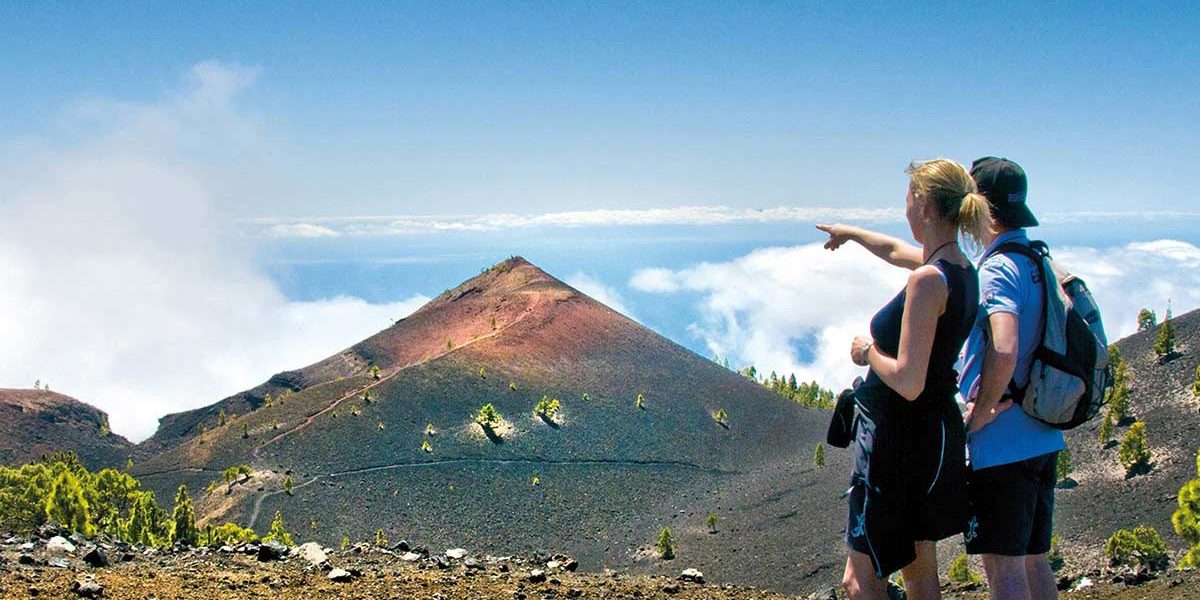
Tenerife and La Palma, perfect destinations for hiking in the Canary Islands. Tenerife offers volcanic routes, laurel forest trails and spectacular landscapes around Mount Teide. La Palma stands out for its paths through mountains, ravines and clear skies. Both islands combine nature, diversity, adventure and unforgettable views for the passionate hiker.
▸ Includes
 +
+  |
|  +
+  |
|  |
| 
from 1189 €

8 days
Tenerife & El Hierro
6 walks on 2 islands
·
74 km · Natural Enclaves · 8 days
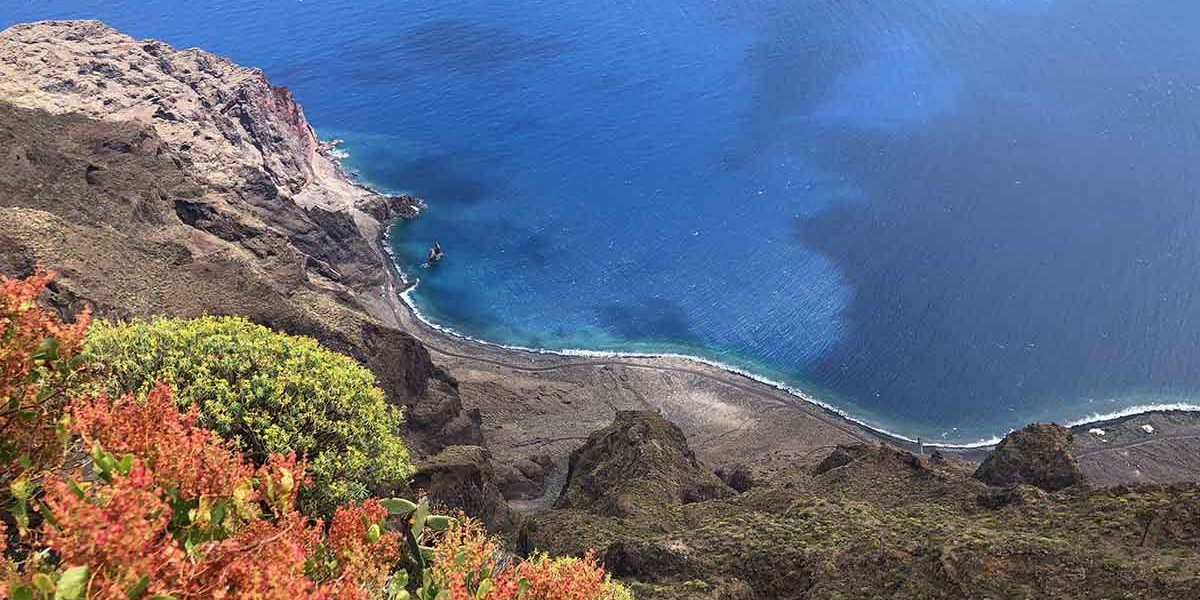
Tenerife and El Hierro: two exceptional destinations for hiking enthusiasts. Tenerife, with its monumental Pico del Teide and the lush laurel forests of Anaga. El Hierro, with spectacular cliffs and untouched nature shaped by an incredible diversity of landscapes. Both islands offer unique outdoor experiences.
▸ Includes
+ | + | | 
from 1250 €


Stay in charming hotels
We choose accommodation with character, in areas away from conventional tourism but with an authentic atmosphere
Spectacular routes
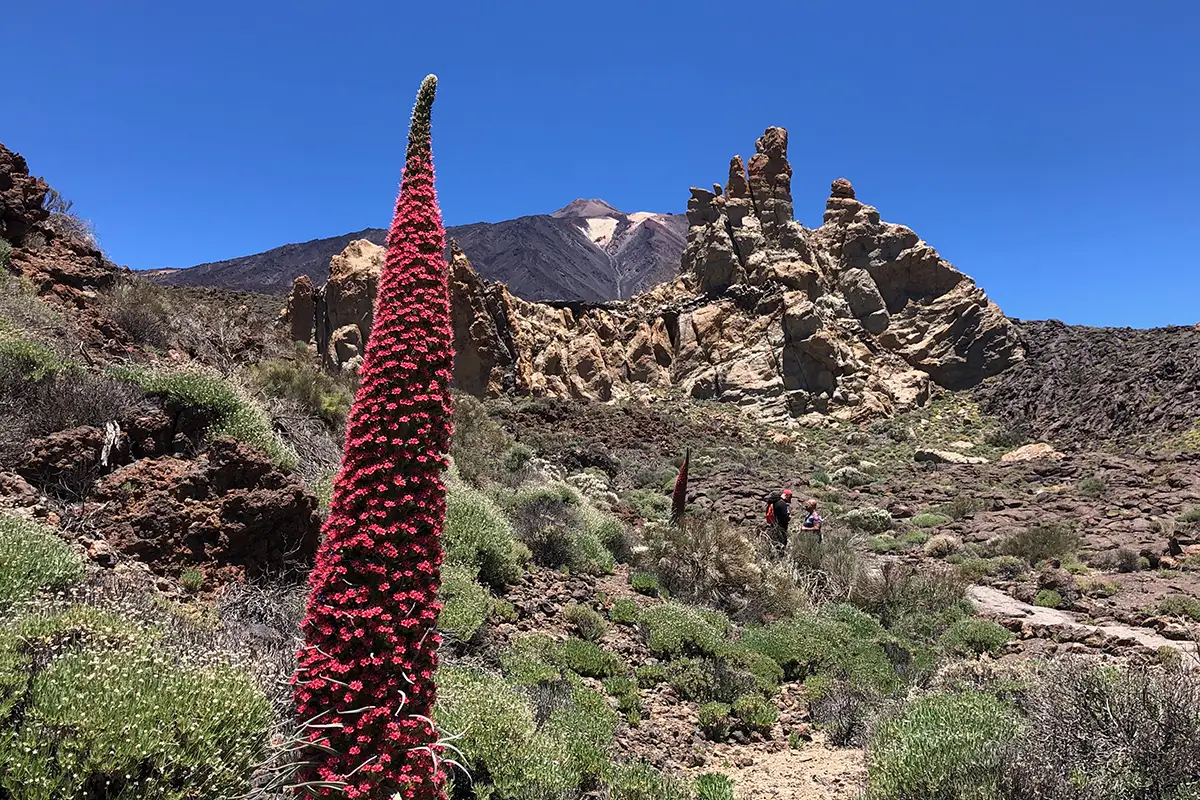
Walking through National Parks, volcanic landscapes and lush Canarian laurel forests.
Luggage transfers
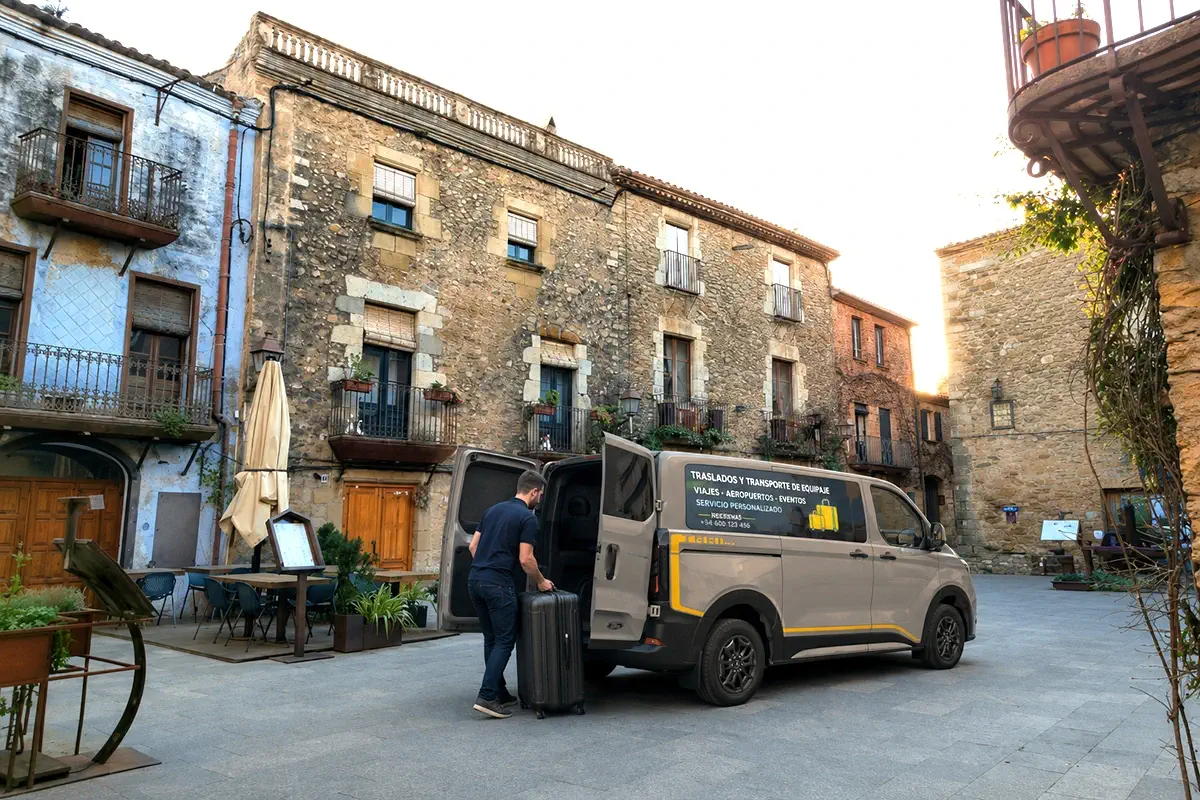
Forget about your luggage and walk comfortably. We move it from accommodation to accommodation.
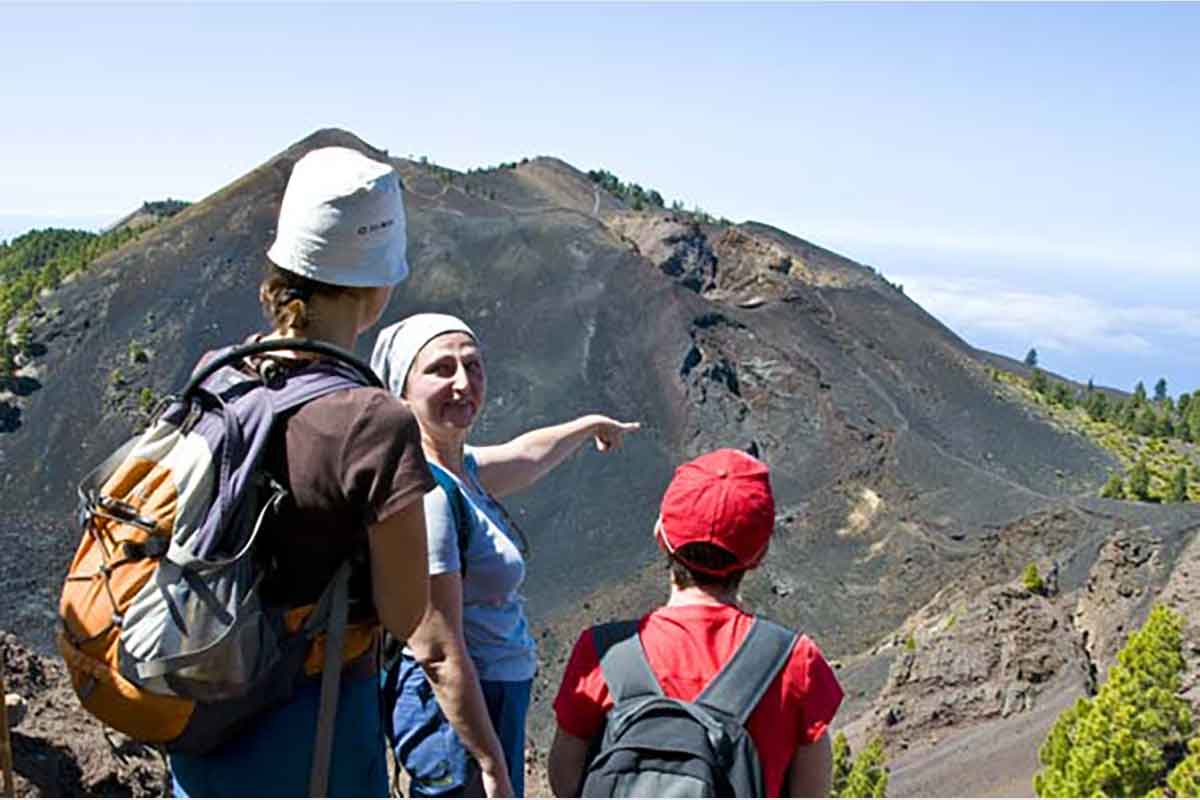
GPS Navigation
Through our app you can follow the trail without fear of getting lost. Includes maps and information.

Natour Reviews and Comments on Google
What do our clients say about us?





Any questions?
We are here to help you and happy to answer any questions you may have. Ask us anything!

A different itinerary?
If you are thinking of doing 2 islands or more combining the itinerary in a different way, share your ideas with us…
We adapt to your preferences and offer you the best price under the best conditions
REQUEST MORE INFORMATION
Canary Islands:
Frequently Asked Questions:
Which island combinations can I choose for a hiking trip?
We offer 8-day programmes combining two islands: Tenerife and La Palma, Tenerife and El Hierro, and Gran Canaria and La Palma. And if you have another combination in mind — two, three or more islands — we'll design a tailor-made itinerary for you at the best price.
How do I travel from one island to another during the trip?
It depends on the combination: between Tenerife and La Palma the journey is by ferry, while between Tenerife and El Hierro it's a short inter-island flight. We organise and coordinate these transfers within your itinerary so they fit seamlessly around your walking stages.
Are the ferry or the flight between islands included in the price?
Yes, inter-island transportation (ferry or local flight, depending on the itinerary) is included in the price of the trip. For the trip between Tenerife and La Palma, only the one-way ferry to La Palma is included. The return trip to Tenerife is at your own expense. For the trip between Tenerife and El Hierro, both the outbound and return flights between the islands are included.
Is it worth combining two islands in one week, or is it better to focus on just one?
Combining two islands lets you experience the archipelago's remarkable diversity in a single trip: for example, the volcanic landscapes of Mount Teide and the laurel forests of Anaga in Tenerife, followed by the Caldera de Taburiente in La Palma. If you'd rather explore at a slower pace, our single-island programmes are the perfect alternative.
Is my luggage also transferred when I change islands?
When traveling between islands, you'll need to check your luggage on the domestic flight or the ferry, depending on the situation.
How many kilometres will I walk on these combined itineraries?
Our two-island programmes cover between 74 and 82 km over 8 days, divided into stages of moderate difficulty (▲▲▲△△). Each day you walk a hand-picked route, with time to enjoy viewpoints, villages and the local gastronomy.
Do I need to be very fit for an island-hopping walking trip?
The combined trips are of moderate difficulty: they're suitable for anyone used to walking for several hours, with no mountaineering experience required. Before you book, we'll advise you on which combination best suits your fitness level.
When is the best time for an island-hopping walking holiday?
All year round: the Canarian climate, with temperatures between 15°C and 25°C, makes it possible. October to March is especially pleasant, and the ferry connections and inter-island flights operate in every season.
Can I do a combined trip if I'm travelling solo?
Yes. The Canary Islands are a very safe destination for solo walking, and you'll travel with GPS navigation, waymarked routes and our local support phone line: you walk independently, but you're never out of touch.
Can I add extra days or a third island to my itinerary?
Of course. All our combined itineraries run on your chosen dates and can be extended: rest days, additional walking stages or a third island. Tell us your idea and we'll prepare a proposal at the best price.
The Canary Islands: 8 small paradises for hiking
The Canary Islands are one of Europe’s most attractive hiking destinations thanks to the extraordinary diversity of landscapes concentrated in a relatively small territory. Located in the Atlantic Ocean, off the north-west coast of Africa, the archipelago offers a unique combination of volcanoes, forests, ravines, cliffs and peaks, with routes to suit every level. Every year, thousands of hikers come here to discover trails that cross natural areas of great ecological and scenic value.
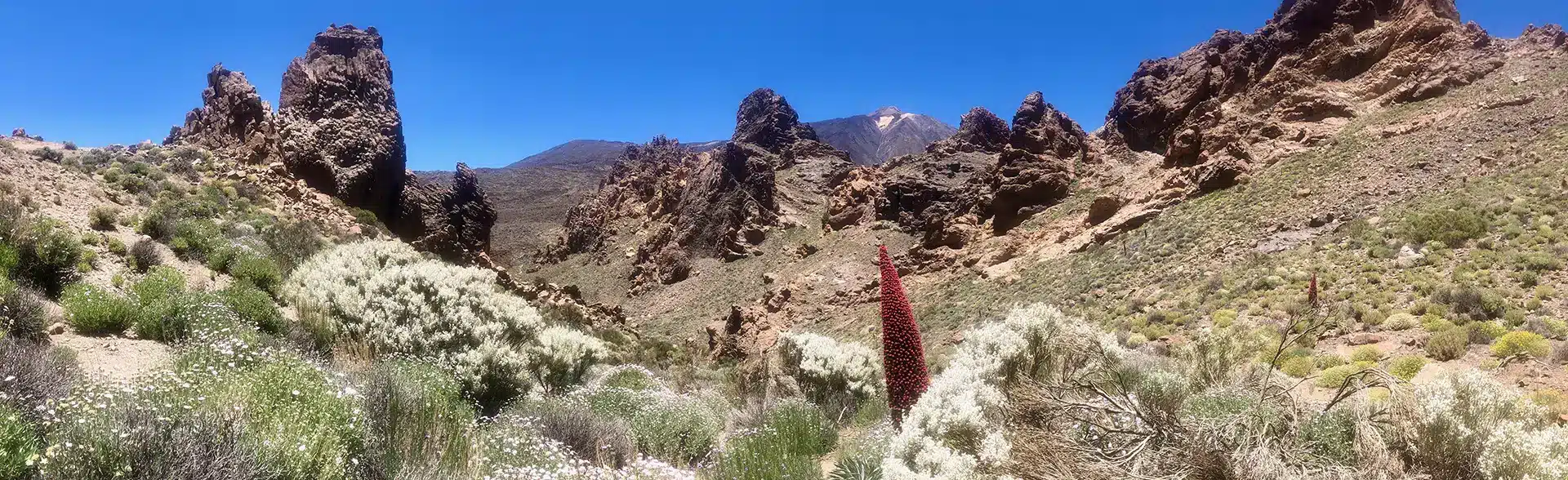 One of the most distinctive features of these islands is their volcanic origin. This geological phenomenon has created spectacular scenery that turns any walk into a singular experience: lava fields, volcanic cones, calderas and rock formations shaped by centuries of geological activity. This natural richness means you can find remarkably different landscapes even within a single island.
Tenerife
the largest island in the archipelago, is one of the great icons of hiking in the Canary Islands. Teide National Park is home to Spain’s highest mountain and an extensive network of trails crossing almost lunar landscapes. Beyond the high-mountain routes, the island also offers paths through the Anaga massif, known for its laurel forests and deep ravines. Thanks to this variety, many consider that Tenerife condenses much of the Canaries’ natural diversity into a single territory.
La Palma
internationally known as “the beautiful island”, is another superb walking destination. Its trails lead through the Caldera de Taburiente, an enormous volcanic depression surrounded by impressive rock walls. Another highlight is the Ruta de los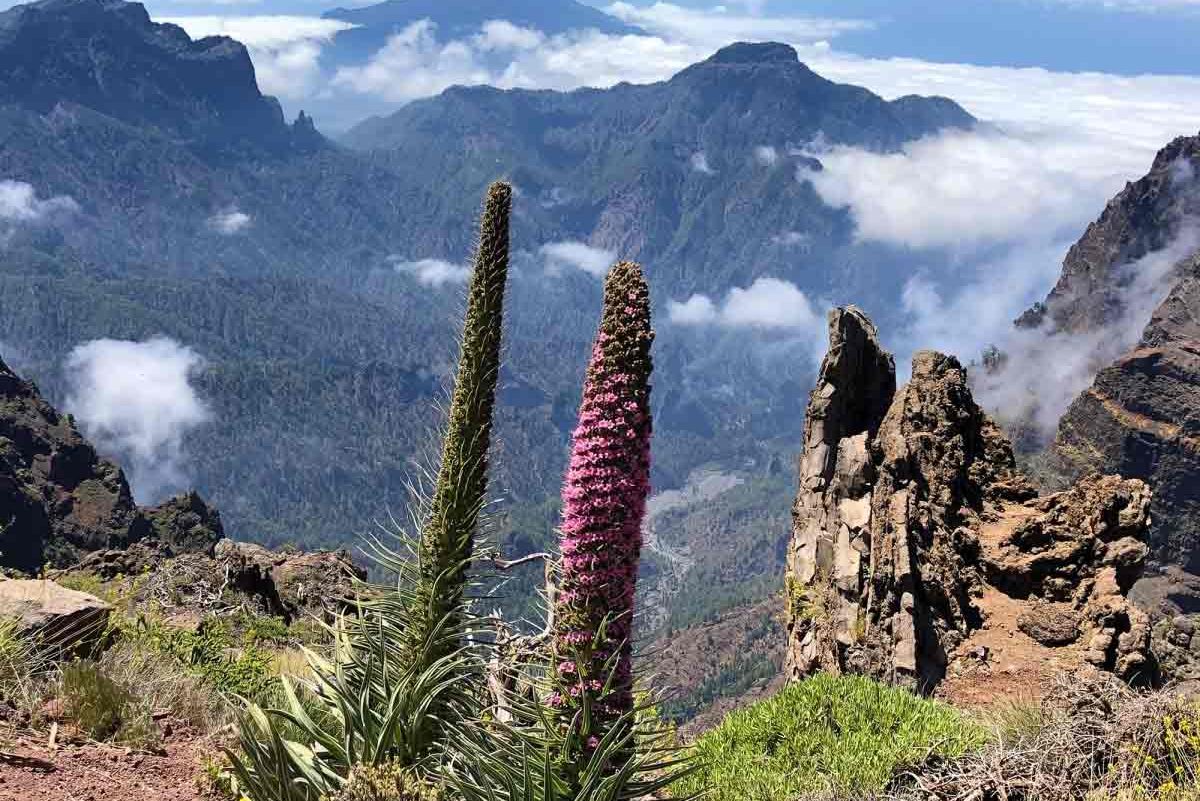 Volcanes, considered one of the most spectacular hikes in the Canary Islands, crossing recent volcanic landscapes with sweeping views over the Atlantic.
Gran Canaria
is another gem for hikers. Although many people associate it mainly with sun-and-beach tourism, the island has an extensive network of traditional paths winding through mountains, ravines and rural villages. Inland stands Roque Nublo, one of the archipelago’s best-known natural landmarks, surrounded by routes with breathtaking panoramic views and ecosystems of great interest.
La Gomera
holds a special place thanks to Garajonay National Park, a UNESCO World Heritage Site that preserves one of the best-conserved laurel forests in the world. Walking its trails means entering a humid, lush environment that contrasts with the more arid areas of other islands. Its network of traditional paths connects numerous rural villages and offers experiences highly valued by nature lovers.
El Hierro
the westernmost island, stands out for its tranquillity and the quality of its trails. Those seeking quieter routes will find an excellent choice here: paths crossing forests, volcanic terrain and spectacular sea cliffs. El Hierro has 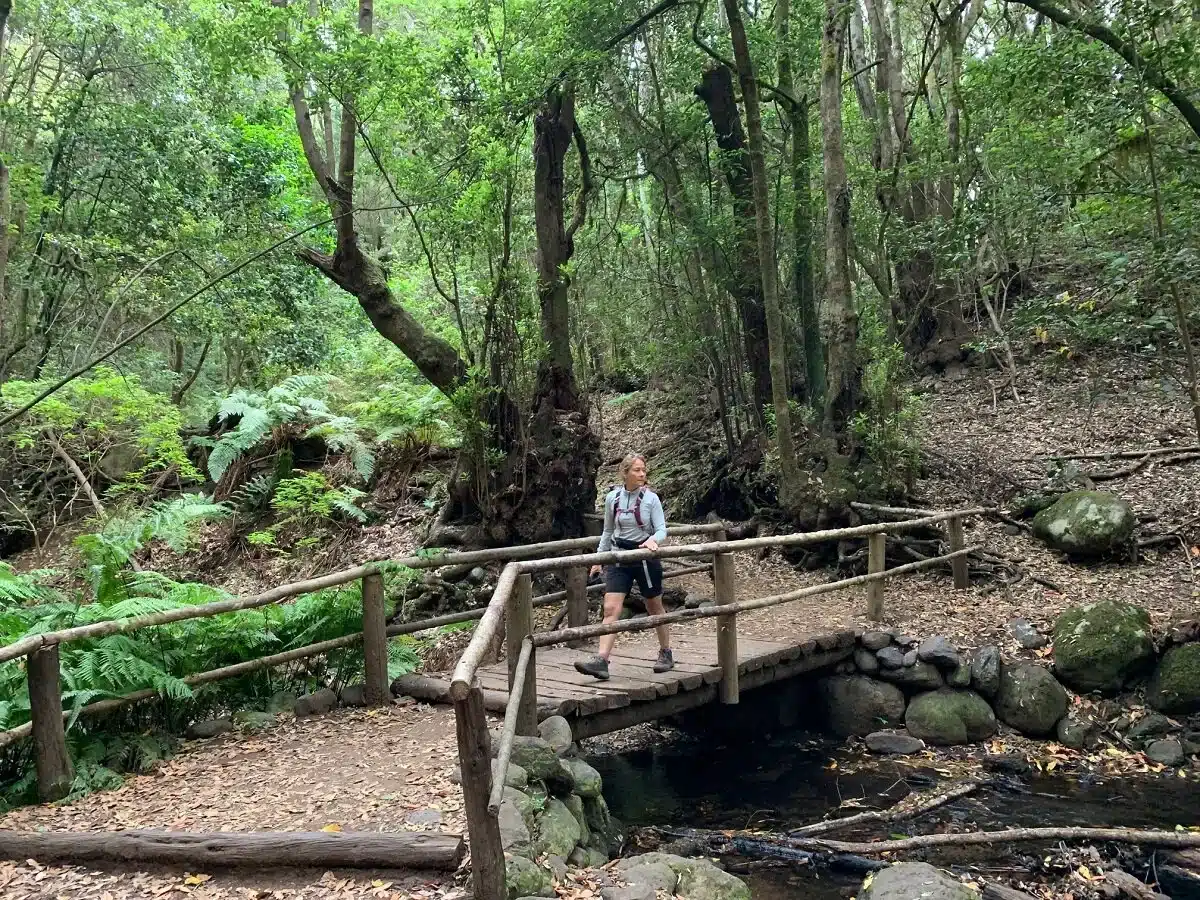 also committed to a sustainable development model that helps preserve its natural heritage.
Fuerteventura
offers a different kind of experience. Its open landscapes, eroded mountains and vast plains create unique walking scenery. Although vegetation is sparser than on the western islands, the beauty of its natural spaces attracts many hikers keen to explore more arid environments, shaped by the dry climate and the wind.
Lanzarote
also ranks among the highlights. The landscape sculpted by historic eruptions has created an environment of remarkable singularity: walking around Timanfaya National Park or following its coastal paths reveals some of the archipelago’s most emblematic scenery, where nature, culture and traditional architecture blend admirably.
One of the great attractions of the Canary Islands for hikers is the possibility of walking all year round. Thanks to the mild climate, temperatures remain pleasant even in the middle of winter, making the archipelago a particularly appealing destination when weather conditions are less favourable elsewhere in Europe.
The biological richness is another key aspect. Geographic isolation has favoured the emergence of numerous endemic species found nowhere else on the planet: while walking, you can observe a wide variety of plants and birds adapted to the different ecosystems — an ecological singularity that adds educational and scientific value to the routes.
The islands also preserve an extensive network of historic trails linked to the traditional activities of their inhabitants. Many paths were used for centuries to connect villages, transport goods or reach farmland. Today, these ancient routes — such as the GR 131, which crosses the archipelago from end to end — offer a way to discover the Canaries’ cultural heritage, combining nature and history in a single experience.
Good signposting and the upkeep of many trails make hiking in the Canary Islands easy to enjoy: there are short, accessible routes for families as well as long-distance itineraries for experienced hikers, so every visitor can find options suited to their fitness level.
Hiking also plays an important role in the archipelago’s sustainable development: it encourages environmentally respectful tourism, supports the local economy and helps enhance the value of the natural and cultural heritage. Many visitors discover small towns, rural accommodation and traditional products thanks to the routes spread across the islands.
In short, the Canary Islands are a true paradise for nature lovers. The variety of landscapes, the ecological richness, the cultural heritage and the privileged climate make the archipelago an exceptional setting for hiking — whether on gentle routes or demanding traverses — and for discovering some of the most impressive scenery in the Atlantic.