
04 Jun Planning your own coastal hike in Portugal
Anyone who stands on Portugal’s Atlantic coast quickly understands why hiking the Portuguese coast as an individual trip appeals to so many experienced active travellers. It’s not just about beautiful sea views. It’s about days of walking over cliffs, through cork oak forests, past small fishing villages and along dune paths that feel different with every stage. This combination is exactly what makes Portugal so compelling for a self-guided coastal walk.
Along its western and southwestern coast, Portugal offers a rare combination of long-distance hiking atmosphere, well-maintained trails and surprisingly unspoiled landscapes. Those travelling independently won’t find an artificially staged route here, but a coastline with genuine character. Sometimes you walk high above the breaking waves, sometimes through quiet agricultural land, then again on narrow sand paths right beside the ocean. It feels free and original — but it also requires a good assessment of the stages.
Why Hiking the Portuguese Coast Individually Is So Worthwhile
 The great appeal lies in the balance between freedom and structure. You walk at your own pace, decide when to stop, take photos or slow down — and yet you don’t have to fight your way through complicated logistics. Especially on coastal routes in Portugal, this is a real advantage, as stage locations, transfers and luggage organisation can quickly become demanding.
Add to this the landscape variety. Many people first associate Portugal with sun, beaches and surfing. Walking reveals a far more nuanced coastline. In the Alentejo, red cliffs, fields, river valleys and wind-shaped scrubland alternate with one another. Further south along the Algarve, the colours grow brighter, the rock formations more striking and the villages more Mediterranean. Those on foot for several days experience these transitions far more intensely than on a day trip.
A further advantage is how well Portugal’s coast lends itself to multi-stage hiking. Portugal’s Rota Vicentina is one of the most attractive coastal routes in Europe. It combines nature, clear waymarking and places where you’re genuinely glad to arrive after a long day’s walk. That’s exactly what many travellers are looking for — independence combined with reliable organisation in the background.
Which Route Suits You for an Individual Walk Along Portugal’s Coast?
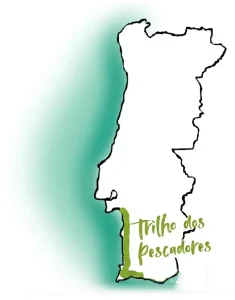
In practice, the decision usually comes down to two options: the Fishermen’s Trail and the Historical Way of the Rota Vicentina. Both have their strengths, but they appeal to different hiking styles.
The Fishermen’s Trail is the more spectacular option. It runs along the coast of Portugal for much of its length, often on narrow cliff paths and repeatedly on sandy ground. The views are magnificent, the sense of the sea constant and the landscape particularly impressive. However, some stages are more demanding than the distance alone suggests. Sand, wind and sun make the going harder.
The Historical Way runs further inland. It’s quieter, more culturally rich and generally a more comfortable walk. Here you experience the rural side of Portugal — small villages, fields, forests and historic pathways. Those who don’t need sea views every kilometre and prefer a steadier pace often feel more at home here.
Things get interesting when both approaches are combined. Many individual walking trips in Portugal do exactly this: a few iconic coastal stages with a high experience factor, alongside sections that are somewhat more relaxed. This keeps the journey varied without turning it into an athletic challenge.
Who Is an Individual Coastal Walk in Portugal Suitable For?
Not just for ambitious long-distance hikers. Portugal is also a great destination for experienced leisure walkers who want to walk for several consecutive days but don’t need alpine experience. The trails are technically straightforward for the most part. The challenge lies more in distance, weather, terrain and how you feel on the day.
If you walk regularly, can manage 15 to 20 kilometres comfortably and enjoy natural trails, many stages in Portugal are very achievable. It gets more demanding when longer sandy sections come into play or when the sun is strong. A moderate distance can feel considerably longer under those conditions. That’s precisely why realistic stage planning matters more than athletic ambition.
Couples, solo travellers and small groups of friends benefit particularly from a self-guided arrangement. You stay independent without having to improvise every day. Those looking for spontaneous changes of location, very short daily stages or pure beach days should think carefully about whether a long-distance route in Portugal suits their travel style.
The Best Time of Year for Hiking in Portugal
 For many, spring is the most appealing season. The landscape is green, temperatures are usually pleasant and the coast is often full of flowers. Between March and May, the southwest of Portugal feels particularly alive. Autumn is also excellent, especially from September to November. The light is soft, the heat eases and walking in Portugal becomes noticeably more enjoyable.
Summer works in principle, but has clear limitations. On open coastal sections there is little shade, and the Atlantic breeze can easily mask how hard you’re actually working. Those walking in high summer should start early, carry enough water and choose stages conservatively.
Winter can be appealing, especially for those who value peace and clear air. However, rain, wind and shorter days bring more uncertainty to planning. It’s less a question of right or wrong than of expectations. Those looking for the most stable conditions are usually best served by spring or autumn.
What Makes Good Individual Organisation in Portugal
A coastal walk often looks straightforward on the map. In practice, many small details determine whether the trip feels relaxed or laborious. These include well-chosen stage locations, accommodation with a good position, reliable transfers and navigation that works even when the trail becomes less clear.
Luggage transfer is particularly valuable. Anyone walking along the coast of Portugal for several days quickly appreciates how much lighter a trail feels with just a small day pack. This isn’t a luxury for the comfort-seeking — it’s a genuine quality factor. You walk more freely, tire more slowly and can take in the landscape more consciously.
Equally important is an honest assessment of difficulty. Coastal walking in Portugal is rarely technically demanding, but the combination of distance, sun, wind and sand should not be underestimated. Good planning means not cramming in as many kilometres as possible, but building the trip so that it brings joy day after day.
This is exactly where the difference lies between self-organised and professionally curated. An operator like NATOUR knows not just the route but the nuances between stages: which places in Portugal are worth a stop, where a stretch feels longer than it looks on paper, and when a transfer genuinely improves the trip.
Practical Tips for Hiking Portugal’s Coast
When it comes to equipment: light, but not careless. Good hiking boots or grippy trail running shoes work well depending on your preference, as long as they handle sand, gravel and rock. Add sun protection, a hat and enough water capacity to cover longer sections without resupply.
Many people underestimate the wind on Portugal’s coast. It makes the coast pleasant, but it can also drain energy and distort your sense of temperature. A light windproof jacket almost always belongs in your pack, even when the forecast looks friendly.
A little discipline with your daily routine is also worthwhile. Starting early is a clear advantage on warm days. The light is better, the trails quieter and you arrive more comfortably. Those who set off too late quickly end up walking in the hottest hours and lose exactly the lightness that makes this style of travel special.
With accommodation, less glamour is often more. Small, well-positioned guesthouses in stage towns usually suit the trip better than large resort complexes. After a day’s walking in Portugal, a warm shower, a good dinner and an uncomplicated start the next morning often matter more than any extra.
Typical Planning Mistakes When Hiking in Portugal
The most common mistake is an overly optimistic self-assessment. Many people look at the kilometres and overlook the terrain. Twelve kilometres on coastal paths with sand can take significantly more out of you than eighteen on firm ground. Those who account for this walk with more enjoyment — and usually more consistently.
A second mistake is choosing the wrong season. High summer sounds like holiday, but it’s not automatically ideal for longer coastal stages in Portugal. When walking is the focus, the more temperate months are often the better choice.
And then there’s the logistics question. Spontaneity sounds appealing, but it doesn’t always work well on popular routes in Portugal. Especially if you want specific stages, luggage transfer and suitable accommodation, careful preparation pays off.
Portugal’s coast rewards walkers who are open to wind, wide open spaces and real days on the trail. When the route matches your fitness and the organisation is sound, exactly the kind of trip emerges that stays with you long afterwards: free in feeling, clear in structure and close to the Atlantic every single day.
Frequently Asked Questions about Hiking the Portuguese Coast
What is the difference between the Fishermen’s Trail and the Historical Way in Portugal?
The Fishermen’s Trail runs directly along Portugal’s coast, often over cliff paths and sandy ground, offering spectacular sea views. The Historical Way heads further inland, is more culturally rich and generally more even underfoot. Many individual walking trips in Portugal combine both for a varied experience.
When is the best time of year for a coastal walk in Portugal?
Spring (March to May) and autumn (September to November) are the most recommended periods for hiking in Portugal. Temperatures are pleasant, the landscape is lively and the trails are less crowded. Walking in high summer is possible, but heat and limited shade on open coastal sections make early starts and shorter stages necessary.
Do you need to be very fit for the Rota Vicentina in Portugal?
No alpine experience is needed, but a good base level of fitness is important. Those who walk regularly and can manage 15 to 20 kilometres on uneven ground will handle most stages well. The challenge lies less in technique than in the combination of distance, sand, wind and sun on certain sections of Portugal’s coast.
Is luggage transfer worth it for a coastal walk in Portugal?
Absolutely. Walking with a light day pack is considerably more enjoyable, especially on long sandy sections or in the heat. Luggage transfer between stage towns in Portugal is one of the most effective ways to make the trip more comfortable and pleasurable.
How many days should you plan for hiking in Portugal along the Rota Vicentina?
It depends on the section chosen. The Fishermen’s Trail in Portugal typically takes 7 to 10 days. Those combining parts of the Historical Way or walking the full trail will need more time. The key is not to overload the itinerary: fewer stages with more flexibility is always better than a tightly packed route with no buffer.
 You might also be interested in:
 86,2 km ·
  6 Stages ·
  8 Days